
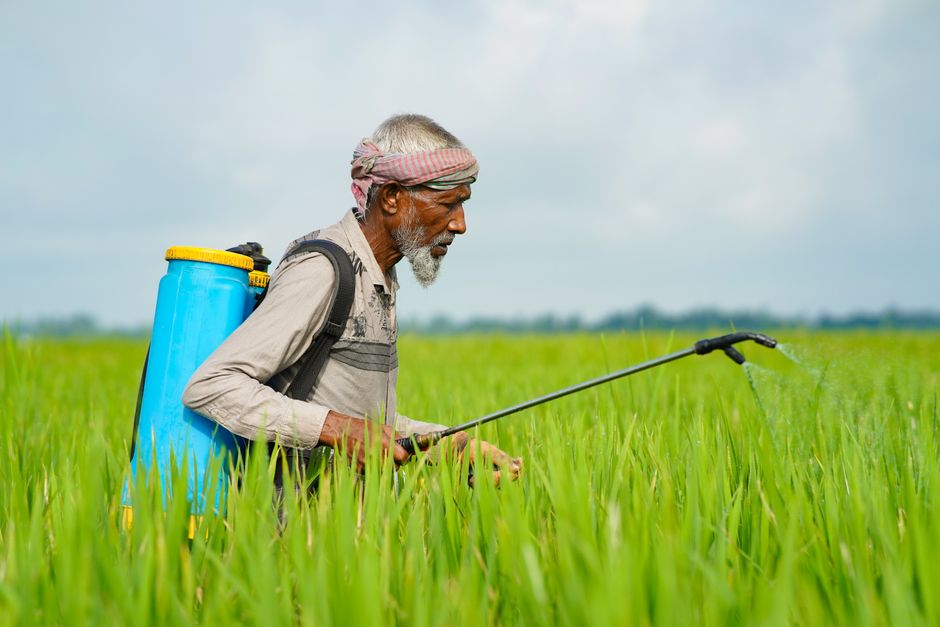
A new EU study has warned that proposed restrictions on imports of farm products treated with pesticides could drive up food prices for European consumers, exposing a tension between environmental protection and the cost of living that has become central to European politics.
The research directly links the price risk to potential trade friction with major agricultural exporters including the United States and Brazil. It highlights the dilemma facing policymakers: how to advance the EU's ambitious pesticide reduction goals without placing an unfair burden on households already struggling with inflation.
The Regulatory Dilemma
The study identifies what it describes as a tension between regulatory efforts to curb pesticide use and the possible economic consequences for consumers. The EU has committed to cutting pesticide use by half under the Green Deal's Farm to Fork strategy, but the bloc remains dependent on food imports from countries with less stringent agricultural standards.
If the EU imposes strict limits on pesticide residues in imported products, it could effectively bar produce from major suppliers. That would reduce competition in European markets and push prices upward at a time when food inflation remains a political flashpoint across the continent.
Trade and Food Security
The findings come as the EU navigates a broader debate about food security, trade policy, and environmental standards. The United States and Brazil are among the world's largest agricultural exporters, and both have raised concerns about EU regulatory measures they view as protectionist. Any move to tighten import standards could trigger trade disputes or retaliatory measures that further complicate Europe's food supply chains.
For center-left policymakers, the challenge is clear: environmental ambition cannot come at the expense of working families. The Green Deal must include mechanisms to shield consumers from price shocks, whether through subsidies for sustainable European agriculture, investment in domestic production capacity, or carefully phased implementation that gives trading partners time to adapt.
What Comes Next
The study doesn't resolve the underlying tension, but it does make the trade-offs explicit. The EU will need to decide whether to proceed with stricter import controls despite the price risks, or to pursue alternative strategies such as supporting pesticide-free farming within Europe and negotiating equivalency agreements with trading partners.
What's certain is that the debate over pesticide policy has moved beyond environmental circles. It's now a question of economic justice, trade strategy, and the viability of the European social model in an era of global supply chains.
Why This Matters:
This study crystallizes one of the central dilemmas of European climate policy: how to pursue environmental goals without deepening inequality or eroding public support. Food price inflation has already fueled political discontent across the EU, contributing to the rise of populist movements that reject both climate action and European integration. If pesticide restrictions drive prices higher, they risk confirming the narrative that green policies are a luxury ordinary people can't afford. The center-left must respond with policies that protect both public health and household budgets — through investment in sustainable European agriculture, fair trade agreements that raise global standards rather than simply blocking imports, and targeted support for low-income families. The Green Deal can only succeed if it's also a social deal.