
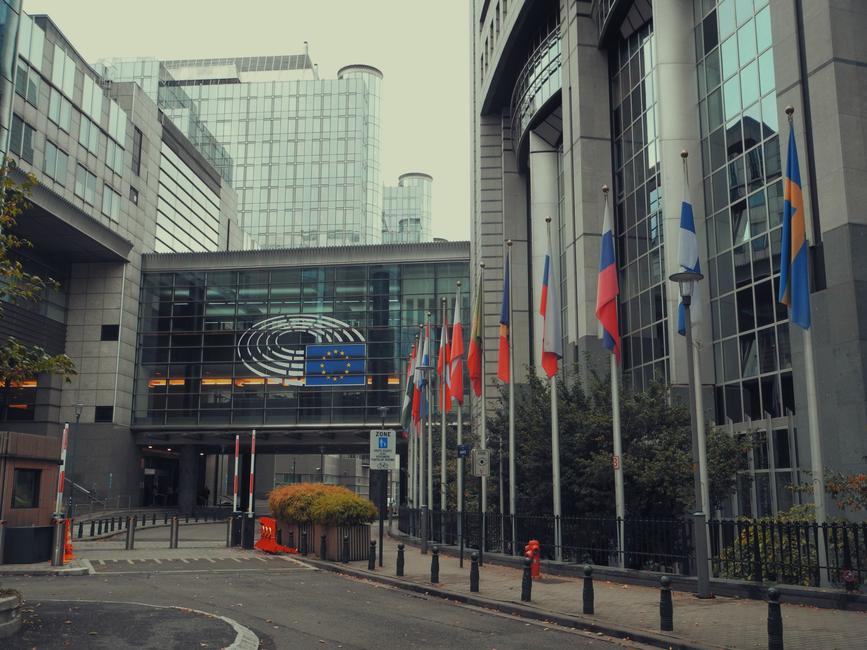
The European Union has agreed to its largest single expansion of sanctions against Russia, adding 1,646 names to the blacklist in a deal ambassadors sealed Wednesday in Brussels. The package covers 743 individuals and 826 entities accused of supporting Moscow's full-scale invasion of Ukraine. It also targets 77 lawmakers who stood for election in Russian-occupied territories of Ukraine in the widely discredited State Duma election in September.
Foreign ministers are due to approve the measure formally on Monday, when they meet in Luxembourg. Only then will officials make the names public. The penalties are familiar: a travel ban, an asset freeze and a prohibition on providing funding.
A Show of Unity, With a Footnote
Ambassadors spent several weeks deliberating and scrubbing the names legally before finishing the job. The sheer number made the process unusually intensive. Member states wanted to conclude, the source says, to project unity amid a rapid succession of hybrid attacks, some attributed to Russia. Officials have already begun work on fresh listings in response to the drone incident at Leipzig airport in Germany.
There was a second reason for the show of cohesion. Last month, the bloc made a contentious decision to remove two high-profile oligarchs, Alisher Usmanov and Mikhail Fridman, from the blacklist.
France requested Usmanov's removal and tied it to a prisoner release with Azerbaijan, brokered by the Turkic states, which had long lobbied in the billionaire's favour. One French citizen has been released. A second remains in prison. The EU called the delisting a painful concession, but extracted something in return: it extended the sanctions list for an unprecedented three years. The list will soon cover almost 4,650 names.
What the Kallas Line Tells Us
High Representative Kaja Kallas welcomed the three-year renewal earlier this week. She also made clear she doesn't expect the two oligarchs to return to the list. "Countries are free to put forward names that should be included in the sanctions list. But in the end, it is up to the member states to decide," Kallas said. "And I do not see this on these two persons happening any time soon."
The remark shows where authority sits. Sanctions need unanimity. A single government, acting on a national priority, pulled two prominent names off the list.
The Unanimity Question
Brussels is still absorbing the fallout from the Usmanov case and the precedent it may have set for a common foreign policy reliant on unanimity. The timing matters: the bloc is preparing to admit new members. To avoid multiplying vetoes, the European Commission has proposed using the so-called passerelle clause to shift from unanimity to qualified majority voting on issues such as sanctions.
The mechanism has a catch. The clause requires unanimity to end unanimity. Every capital that values its veto would have to vote to give it up.
Why This Matters:
The record listing shows the EU can still move together on Russia, but the Usmanov episode shows how one member state's national interest can reshape a collective policy. Whether to trade a veto for efficiency is a question of sovereignty, not procedure. Governments that accept qualified majority voting on sanctions will cede a degree of control over foreign policy, and national parliaments and voters will want to know where that line is drawn. With enlargement coming, the answer will set how much Brussels decides and how much stays in national hands. A three-year list protects against repeated renewal fights, but it doesn't settle who holds the final say.