
Euro zone business activity returned to growth in July for the first time in four months, offering a reprieve for workers and businesses after a difficult spring — but the rebound remains fragile, threatened by renewed conflict in the Middle East and rising energy costs that could quickly reverse recent gains.
The S&P Global Flash Euro zone Composite PMI Output Index rose to 51.9 in July from June's 50.0, its highest reading in five months and well above expectations for a modest rise to 50.3. A reading above 50.0 signals expansion in activity. New orders grew for the first time since February, with the pace of expansion the fastest since April 2023.
Germany Rebounds, France Eases Contraction
Activity in Germany, Europe's largest economy, also returned to growth, while in France the contraction eased with services output slowing only marginally. The rest of the euro zone posted its strongest expansion in eight months. Export orders, which include intra-euro zone trade, continued to decline, but the rate of decrease was the least pronounced since March 2022.
Both manufacturing and services contributed to the rebound. Services recovered to a five-month high of 51.6, up from 49.4, snapping three months of contraction. Manufacturing output growth hit a 52-month high and the headline factory PMI rose to 52.0 from 51.4, above expectations for 51.5.
Staffing levels rose in the euro zone, marking a shift after months of job shedding. The increase was marginal, as continued cuts in manufacturing employment tempered gains in the services industry. For workers who've faced months of uncertainty, it's a tentative sign — but far from a guarantee of sustained job creation.
Energy Prices Threaten Recovery
"The rise in the euro zone Composite PMI in July suggests activity is rebounding and inflationary pressures are easing," said Henry Chambers at Capital Economics. "But given the re-escalation in the conflict in the Middle East and the subsequent rise in energy prices, some of the improvements in both may be short-lived."
The rate of overall input cost inflation eased to its lowest since February, at the end of which the Middle East conflict erupted, although pressures remained sharp. Output price inflation also slowed. The easing may reduce pressure on the European Central Bank, which left its key deposit rate at 2.25% on Thursday. A recent Reuters poll suggested the bank would raise it by 25 basis points in September.
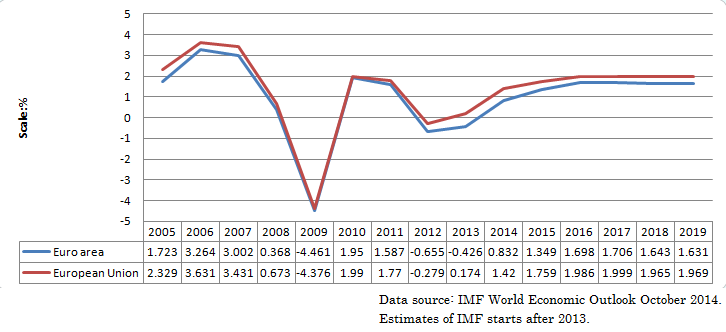
Inflation risks are high and the ECB may need to raise interest rates once again, three policymakers said on Friday, but all stopped short of calling for an outright hike in September. The euro zone economy contracted 0.2% in the first quarter of 2026, weighed down by the impact of the Middle East conflict on energy supplies and inflation.
Cautious Optimism in Britain
In Britain, outside the European Union, firms reported their first growth in three months and were the most upbeat since the conflict began, possibly providing early encouragement for new Prime Minister Andy Burnham.
The July PMI data suggests the bloc may be gaining some momentum heading into the second half of the year, though risks remain acute. For households already squeezed by high living costs, the question isn't whether the economy is technically expanding — it's whether wages will keep pace and whether energy bills will surge again.
Why This Matters:
The return to growth is welcome news for Europe's workers and businesses, but it comes with a stark warning: the recovery is hostage to forces beyond the bloc's control. Rising energy prices driven by Middle East instability could quickly erase these gains, pushing inflation back up and forcing the ECB to tighten further — which would hit households and small businesses hardest. The euro zone contracted in the first quarter and has spent much of 2026 on the edge of recession. July's data offers a glimmer of hope, but without a credible energy security strategy and continued investment in the green transition, Europe risks repeating the cycle of external shocks and internal stagnation. The marginal rise in staffing levels is a reminder that job creation remains fragile, and manufacturing employment is still falling. For the centre-left, this underscores the urgency of a just transition that doesn't leave industrial workers behind.