
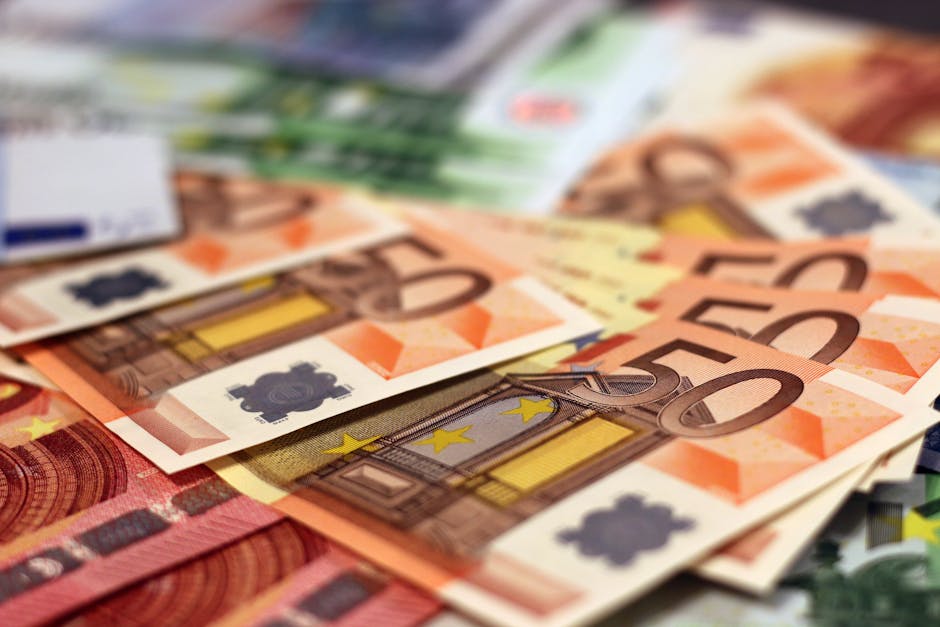
European bond sales have topped €2 trillion ($2.2 trillion) for the first time. That figure is more than a banking milestone. It shows how much borrowing now runs through the continent’s capital markets, and who is doing the borrowing.
Governments still borrow heavily. That ongoing public debt now runs alongside a much newer, faster-growing source of demand: the artificial intelligence boom. Technology companies are the biggest single driver of the annual record, so the financing needs of a handful of firms are shaping the size of Europe’s bond market.
Who Is Borrowing
U.S. hyperscalers sit at the centre of the surge. Alphabet Inc. and Amazon.com Inc. are both raising large sums to pay for the data centres and infrastructure AI requires. These are American companies, but their borrowing flows through European bond markets and into European bankers’ order books.
That matters to ordinary people in a way a headline total doesn’t. The money being raised isn’t building classrooms, housing or hospitals. It’s building the physical backbone of a technology race whose returns will be concentrated in a small number of firms, while its costs—in energy and land use—will fall far more widely.
What Comes Next
Bankers expect the work to continue. The technology race is still gaining speed, and borrowing is expected to keep European bankers busy for the foreseeable future. That expectation is a signal the EU’s democratic institutions shouldn’t treat as a background market story.
Europe has set ambitions for digital sovereignty, clean energy and fair competition. Yet private lenders and foreign corporations largely determine the capital flowing into AI infrastructure, not any European public plan. The gap between what the EU says it wants from the digital economy and what the bond market is quietly funding is wide. It’s growing.
Why This Matters: More than €2 trillion in European bond sales signals financial depth, but it also signals concentration. Much of the newest demand comes from U.S. hyperscalers building AI infrastructure, and bankers arranging that debt will profit whether or not the benefits reach European workers, households or public services. Governments are borrowing at the same time, so public and private claims on the same pool of capital are rising together. The question for European policymakers isn’t whether the market can absorb the money. It can. The question is who the infrastructure serves, who pays for its energy and land, and whether Europe is shaping this boom or simply financing it. Without deliberate public investment and democratic oversight, a record-breaking bond year risks being remembered as the moment Europe’s capital markets were pulled into someone else’s race.
- europe
- bond sales
- artificial intelligence
- government borrowing
- hyperscalers
- alphabet
- amazon
- data centers