
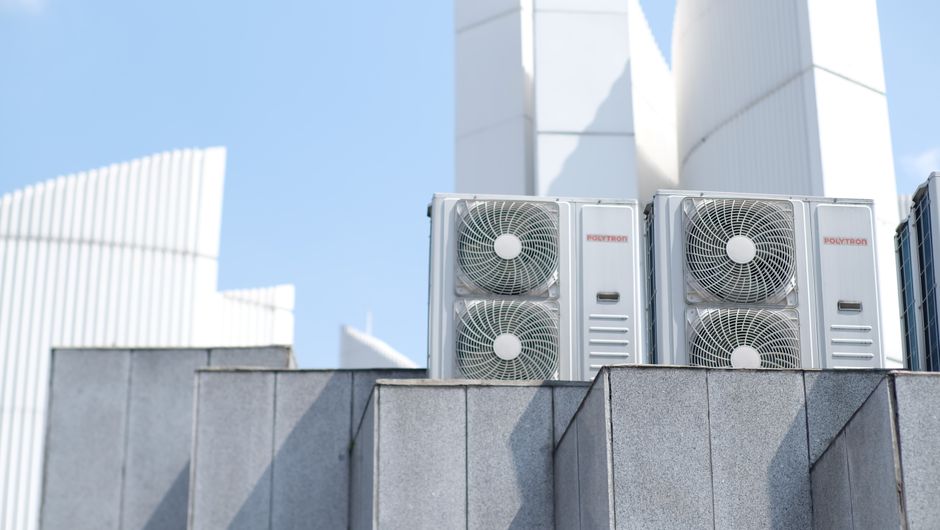
Europe is confronting a climate emergency that demands immediate infrastructure adaptation, as a second devastating heat dome in two months has sent temperatures to record levels across the continent and triggered unprecedented demand for cooling systems and building efficiency solutions.
The U.K. notched its all-time temperature record for June on Wednesday, while France registered its hottest day ever for the second consecutive day. Several European countries issued red weather alerts during the extreme heat event, underscoring the scale of the crisis. Scientists warn climate change is exacerbating the frequency and intensity of extreme weather events, with the burning of fossil fuels such as coal, oil and gas identified as the chief driver of the climate crisis.
The crisis has exposed a critical gap in Europe's infrastructure preparedness. According to the European Union's Copernicus Climate Change Service, Europe is warming faster than any other continent, at twice the speed of the global average since the 1980s. This accelerating warming means that without urgent investment in building resilience and efficient cooling systems, millions of Europeans face mounting health risks and economic disruption.
The Infrastructure Challenge
The latest heat wave has underscored the urgent need for efficient technologies and adequate power supply to keep Europe cool. The acceleration of decarbonization policies and cultural shifts toward sustainability have supercharged demand for climate-control equipment that can reduce both energy consumption and carbon emissions. Regional governments are increasingly recognizing that building efficiency—through insulation, heat pumps, and advanced ventilation systems—is essential infrastructure, not luxury amenity.
Companies manufacturing these technologies have seen investor confidence surge. French construction materials company Saint Gobain, which designs and supplies components used within heating, ventilation and air conditioning systems, rose nearly 1% on Thursday morning, extending gains of more than 3% in the previous session. Beijer Ref, a world-leading wholesaler of cooling and heating, ventilation and air conditioning equipment, climbed nearly 5% on Wednesday. Sweden's NIBE Industrier, which produces air and ground source heat pumps as well as other climate control equipment, was trading 0.7% higher on Thursday morning, extending gains of 3.7% in the previous session.
Milan-listed Ariston, which manufactures energy efficient heating and cooling systems, rose 1% on Thursday morning, on track for its third consecutive positive session. Danish building materials company Rockwool, which manufactures insulation products designed to significantly improve building climate resilience by regulating indoor temperatures, rose 0.6% after closing 3.1% higher on Wednesday.
Market Response and Systemic Gaps
While investor enthusiasm for climate-adaptation stocks reflects growing recognition of Europe's infrastructure needs, the market response alone cannot address the scale of the crisis. The unprecedented consumer and commercial demand for air conditioning reveals that millions of European buildings remain dangerously unprepared for the climate reality already underway. This gap between private market solutions and public infrastructure investment raises fundamental questions about who bears the cost of adaptation—and whether market mechanisms alone can ensure equitable access to cooling and climate safety across all income levels and regions.
The concentration of investment in commercial cooling and efficiency stocks suggests that profitable sectors will attract capital, but vulnerable populations—renters, low-income households, elderly citizens, and communities in regions with limited resources—may face the greatest exposure to dangerous heat without coordinated public policy and investment.
Why This Matters:
Europe's accelerating climate crisis reveals a critical mismatch between the speed of environmental change and the pace of infrastructure adaptation. While market investors respond to heat waves by funding efficiency companies, the underlying reality is that millions of Europeans live and work in buildings that lack adequate cooling and climate resilience. The record temperatures now occurring twice within two months demonstrate that extreme heat is becoming routine, not exceptional. Without coordinated public investment in building retrofits, equitable access to cooling technology, and aggressive decarbonization policies, Europe risks creating a two-tier system where wealthy households and well-capitalized businesses adapt while vulnerable populations face mounting heat-related health crises. The market's response to climate adaptation, though welcome, underscores the need for democratic oversight and public policy to ensure that climate resilience becomes a right accessible to all Europeans, not a commodity available only to those who can afford it.