
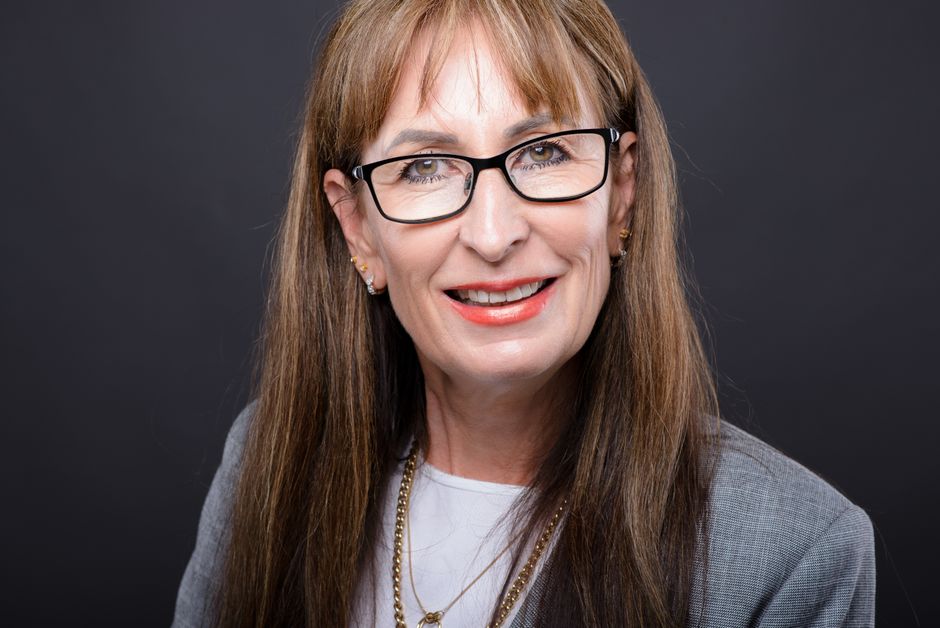
Ireland's AI user share reached 49.9 per cent, the highest in the EU, according to Microsoft's latest Global AI Diffusion report. In an opinion article published on Monday, November 2, 2026, Marie McGinley argued that Ireland's next challenge is to build businesses, products and intellectual property from its high adoption rate, so that more economic value stays in the country.
From adoption to production
McGinley is a partner and head of the technology and innovation group at Matheson LLP. She wrote that Ireland has been at the forefront of European technology growth for decades, with many of the world's largest technology companies establishing significant European operations there. Those operations, she said, have created jobs, investment and expertise.
The country's AI user share is also well above the global average of 18.8 per cent. McGinley attributed Ireland's position in part to its place between US technology investment and the European single market, as well as its existing technology infrastructure.
Her proposed focus is on applying AI in particular industries. Rather than trying to build the next frontier model or match the scale of infrastructure being developed elsewhere, she said, Irish businesses could combine industry knowledge with AI tools. She named technology, financial services, life sciences and healthcare as sectors with expertise that could be used to develop products addressing commercial problems.
Pitchbook data records €947.3 million across 182 Irish AI deals since January 2025. So far in 2026, the data records €256 million across 75 deals. Ireland ranks second in Europe for AI venture-capital deal count per capita, according to the article.
Investment, regulation and capacity
McGinley identified a gap between deal activity and the longer-term economic value generated by Irish businesses. She said the challenge is to turn investment into businesses, intellectual property, specialist employment and value that remain in Ireland.
She also cited energy and infrastructure pressures, competition for skilled workers, investment efforts elsewhere in Europe and regulatory complexity. The article does not provide figures for those pressures or identify particular workers or companies affected.
McGinley said Ireland should not have to choose between effective regulation and a competitive AI sector. She pointed to EU member states' backing of the Dublin Declaration on trustworthy, safe and sovereign artificial intelligence, saying it reflected the principle that trust and competitiveness should reinforce one another.
The Startup Ireland AI Accelerator Programme and an additional €45 million announced for technology centres by 2030 were also cited as policy signals. McGinley said their value would depend on how commitments to policy, investment and regulation work in practice.
Rules and the people affected
Businesses developing AI products need clarity about which rules apply and opportunities to consult regulators early, McGinley wrote. She said this would require sufficient resources and technical expertise among Ireland's regulators, alongside effective co-ordination between the AI Office of Ireland, the Data Protection Commission and other relevant authorities.
A proposed AI Regulatory Sandbox could give businesses practical access to regulators while testing products and preparing them for market. McGinley did not argue for lighter regulation. She said trust matters particularly in financial services and life sciences, and was a recurring theme at the International AI Summit hosted in Dublin as part of Ireland's presidency of the Council of the European Union.
The article discusses employment, competition for skilled workers and the distribution of economic value, but gives no information about migrant workers, asylum policy, border enforcement or migrant access to AI-sector jobs. It also provides no details about how the proposed regulatory measures would affect workers or people whose data may be used in AI products. McGinley said regulation should protect people while remaining clear and proportionate enough to support investment and development.
- ireland
- artificial intelligence
- ai regulation
- ai startups
- venture capital
- dublin declaration
- ai office of ireland
- matheson