
European shares registered a dip on Monday, as investors assessed escalating hostilities between the United States and Iran, a geopolitical tremor that exposes the violent underpinnings of the global order. This market reaction, while framed as a purely financial event, is a symptom of the same systemic forces that drive global precarity and solidify Fortress Europe's borders.
The dip in European shares, though seemingly minor, reflects the inherent instability of a system that prioritizes capital accumulation and geopolitical dominance over human security. This system, driven by the interests of powerful states, routinely creates conditions of precarity and conflict across the globe. It's a stark reminder that the pursuit of profit and power often comes at the expense of stability for millions.
Investors across Europe found themselves assessing the escalating hostilities between the United States and Iran. These tensions are not merely abstract geopolitical maneuvers; they represent a tangible threat to stability in a region already ravaged by decades of intervention and exploitation. Such conflicts are inherent to a global order that also creates the conditions where people are compelled to move, often across borders that Europe then militarizes.
The Roots of Global Precarity
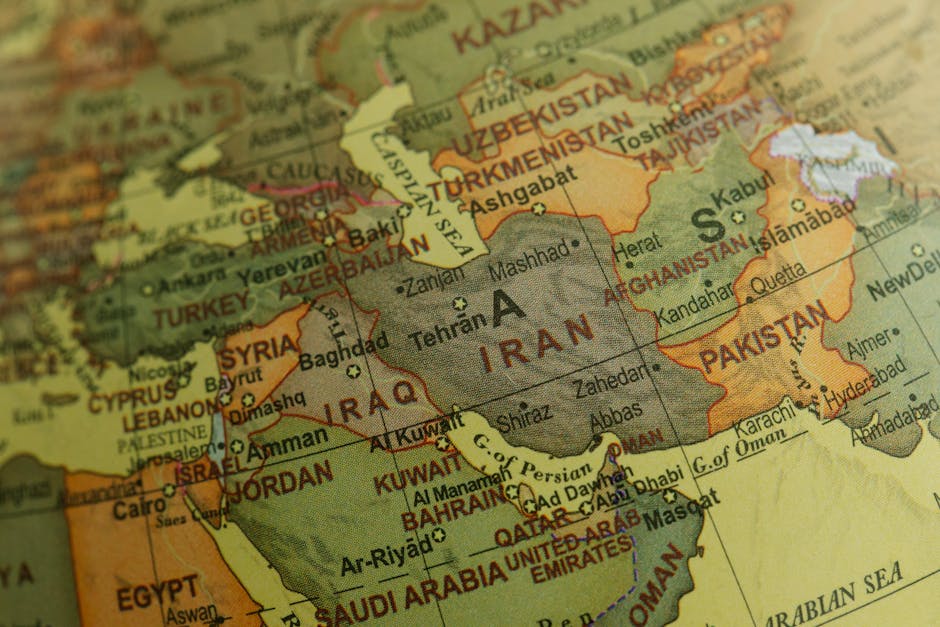
The immediate consequence of this escalation saw Tehran shut the Strait of Hormuz. This strategic closure, a direct response to the heightened aggression, immediately sent shockwaves through global energy markets. The disruption of vital shipping lanes and the subsequent rise in oil prices will disproportionately impact the most vulnerable economies, particularly in the Global South, further destabilizing regions and intensifying the pressures that drive migration.
The resulting surge in oil prices, a direct outcome of these hostilities, will line the pockets of fossil fuel corporations and states that profit from global instability. Meanwhile, working-class communities and those already facing the brunt of the climate crisis will bear the economic burden, forced to contend with higher costs of living and diminished prospects. This economic fallout is a stark reminder that the same forces driving market fluctuations are intrinsically linked to the systemic injustices that exacerbate precarity for populations, including those who are then criminalized as migrants at Europe's borders.
Europe's Complicity in a Violent Order
The European Union, often presented as a project of peace and stability, remains deeply entangled in this global economic and political architecture. Its financial markets react to these distant conflicts, yet its political apparatus simultaneously constructs Fortress Europe, criminalizing those who seek safety from the broader instability inherent in this global order. The free movement of capital, exemplified by the swift reaction of European shares, stands in stark contrast to the criminalization of human movement, a double standard at the heart of the EU's neoliberal border regime. This systemic hypocrisy ensures that while investors assess market risks, the human cost of these geopolitical games is borne by those at the sharp end of border violence.