
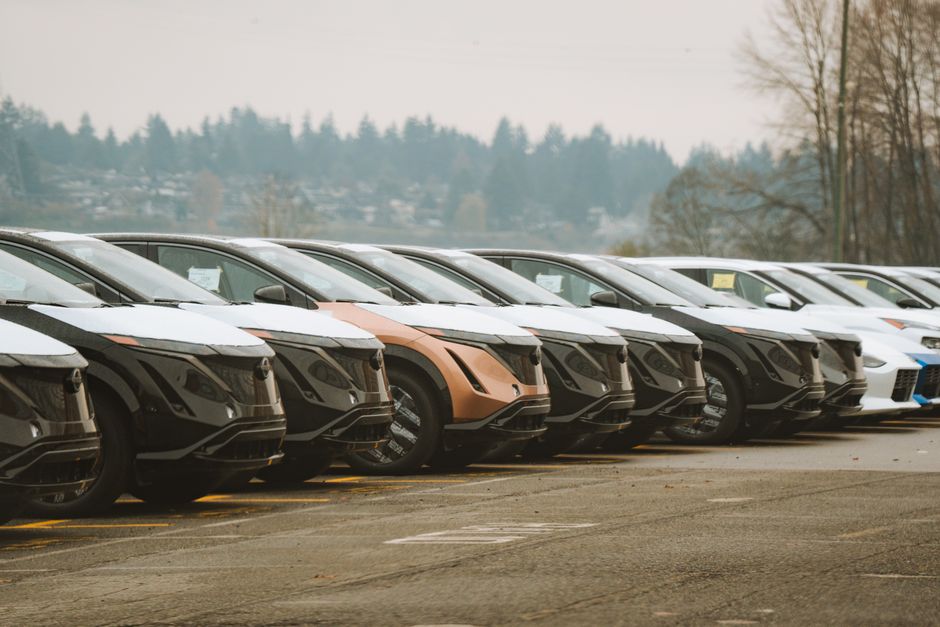
Battery electric vehicle registrations in Europe topped 25% of new car sales in July, with France and Germany driving growth in BEV demand while weaker demand in other European markets offset some of that rise. The numbers look clean enough for the Brussels and corporate press releases. They always do. But behind the market share chart sits the same old machinery: states, firms, and energy planners deciding what kind of transport people get, who can afford it, and which industries get to call the shots.
The Market’s Hand on the Wheel
France and Germany drove the growth in battery electric vehicle demand, according to the report, while weaker demand in other European markets blunted part of the increase. That’s the whole game in miniature. A continent-sized market, sold as choice, where the real power lies with manufacturers, regulators, and the governments that set the rules of the road. When battery electric vehicle registrations cross 25% of new car sales in one month, it gets framed as progress. But it’s progress on terms written elsewhere, by institutions and companies that never have to ride the bus when the system fails ordinary people.
The article gives no hint of any democratic say from below. No workers deciding production. No communities deciding transport needs. Just demand, supply, and the usual choreography of capital. The single market loves this sort of story. It can point to a percentage and call it transition, while the people living with expensive cars, patchy charging access, and the costs of industrial policy are left to absorb the bill.
Eni’s Long Game, Everyone Else’s Future
Eni has announced plans to establish a fusion plant in Europe by the early 2040s as part of its long-term energy strategy. That’s not a promise to people. It’s a promise to a company, wrapped in the language of strategy and future planning. The timeline alone says plenty. About 14 to 18 years away, according to the key date. Long enough for executives to make speeches, governments to nod along, and the public to be told that patience is a virtue while energy systems remain under the control of the same corporate actors.
Fusion, in this telling, becomes another prestige project for the energy class. A future plant. A future market. A future excuse to keep the present arrangement intact. The article doesn’t say who gets to decide where such a plant goes, who pays for the infrastructure, or who bears the risks. Those questions rarely make it into the polished language of transition. They’re inconvenient. They expose the hierarchy.
Cooling for Whom, and on Whose Terms
The Financial Times also discussed Europe potentially adopting more energy-efficient and sustainable air conditioning practices than the US model, focusing on cooling systems as part of the continent’s broader energy-efficiency debate. Even here, the frame stays safely inside the technocratic corridor. Better cooling. More efficiency. Less waste. Fine words, all of them. But they still assume the same order: experts, markets, and institutions deciding the shape of everyday life from above.
Air conditioning is not just a technical issue. It’s a question of who gets comfort, who pays for it, and which systems are built to serve profit rather than need. The article points to a broader energy-efficiency debate, but not to any struggle over control. That’s the missing piece. Europe can talk endlessly about sustainability while leaving the basic architecture of ownership untouched. The result is familiar. Green language. Corporate strategy. State-backed coordination. Ordinary people told to adapt.
The three stories sit together neatly. Electric cars, fusion dreams, and cooling systems all get folded into the same market logic. One month’s registration figures. One company’s long-term plan. One newspaper’s debate about air conditioning. Different sectors, same arrangement. Power moves upward. Costs move downward. And the people who actually live with the consequences are expected to applaud the transition while it’s still being designed without them.