
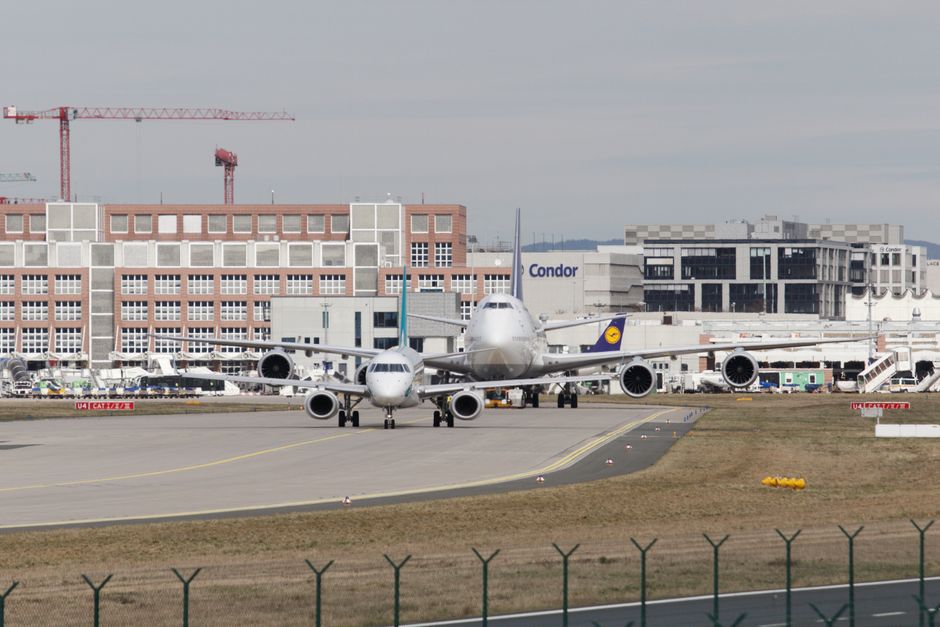
Frankfurt airport’s average wait time reached 120 minutes in July as the EU’s new biometric border system, the Entry/Exit System, or EES, struggled to process non-EU passengers. The same machinery that Brussels sells as orderly modernisation has turned major airports into bottlenecks, with queues stretching to two hours and travellers missing flights.
The Border as Bureaucratic Violence
New data from the Financial Times and travel analytics group Qsensor shows wait times have doubled at major hubs including Frankfurt, Amsterdam and Munich. In Munich, waits are up to 60 minutes from 31 last year. In Amsterdam, maximum waiting times have rocketed from 80 to 120 minutes over the same period. The system doesn’t just slow people down. It sorts them, scans them, fingerprints them, and makes them stand in line while the border apparatus decides whose movement counts as acceptable.
Since the system was fully launched on 10 April, every traveller from outside the EU has been required to scan their passport and do a facial scan, as well as registering their fingerprints on the first occasion. In practice, passengers have had to give fingerprints on multiple trips, due to glitches in the system. EES kiosks have been malfunctioning and travellers have needed more assistance than operatives initially thought. The promise was efficiency. The reality is a biometric checkpoint that can’t even keep its own machinery running.
Peak periods can mean queues of up to two hours, while wait times are much shorter outside the busiest times. That detail matters. The system works best when fewer people are forced through it. When the flow rises, the border shows its real face: delay, surveillance and administrative friction imposed on people who’ve already been marked as outside the club.
Brussels, Capitals and the Same Old Control
Some airports have been deciding to temporarily turn off parts of the EES checks, including not collecting fingerprints during peak times, to ease the strain on passengers and workers. That policy is due to come to an end in September, though, and eight EU member states and Switzerland have asked the European Commission to extend it. The Commission said it is considering the possibility of continuing the practice. A spokesperson said: “When it comes to the time after the summer, we are in close and constructive contact with those few member states where there are challenges at certain border crossing points.”
That’s the language of the Brussels apparatus: “close and constructive contact” while people wait in lines, miss flights and hand over biometric data. The Commission also said EES wasn’t disastrous everywhere, and that registration takes an average of 70 seconds and that “in most cases” the impact on non-EU travellers has been limited. Average numbers are a neat trick. They flatten the people stuck for two hours into a statistic that sounds manageable from a conference room.
The system’s defenders have their own complaints. Ryanair’s chief executive Michael O’Leary called it “misdesigned” and said, “Only the Europeans would invent sh*t like this,” after his airline saw large queues at some 15 airports across the continent. Even the airline boss gets to sneer at the border machine when it slows the movement of paying customers. The passengers, meanwhile, still have to stand there.
Fortress Europe in Practice
The EES is not some technical hiccup floating above politics. It is the border regime doing what border regimes do: forcing non-EU travellers into biometric registration, expanding the reach of state surveillance, and making movement conditional on compliance. The queues at Frankfurt, Amsterdam and Munich are the visible part. The invisible part is the data collection, the repeated fingerprinting caused by glitches, and the normalisation of a system that treats movement as something to be monitored and managed from above.
Eight EU member states and Switzerland have already asked for the temporary easing to be extended. That tells its own story. The machinery is already straining, and the response is not to question the system but to adjust the schedule. The border remains. The scans remain. The line remains. Only the pace changes, when the pressure gets too obvious to ignore.