
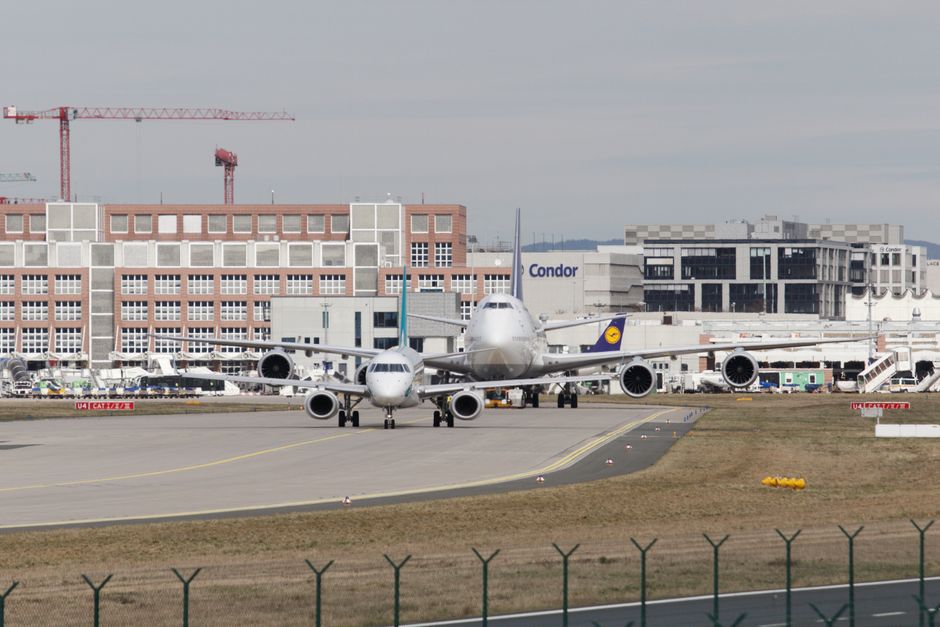
Non-EU travellers now face waits of up to two hours at major European airports, including Frankfurt, Amsterdam, and Munich, as the European Union's new biometric Entry/Exit System (EES) struggles to cope. This EU-mandated system, fully launched just four months ago on April 10, 2026, has seen queue sizes soar, leading to passengers missing flights and raising serious questions about Brussels' capacity to manage Europe's borders.
New data from the Financial Times and travel analytics group Qsensor reveals that average wait times in Frankfurt reached 120 minutes last month, doubling from 60 minutes in July of last year. At Munich airport, waits have climbed to 60 minutes from 31 minutes in the same period. Amsterdam has seen maximum waiting times rocket from 80 to 120 minutes, demonstrating the widespread disruption caused by the EES.
Brussels' Border Blunder
The EES requires non-EU travellers to register fingerprints and facial scans, a process that has proven deeply flawed. Despite being designed for efficiency, the system has been plagued by malfunctioning kiosks, forcing travellers to give fingerprints on multiple trips due to persistent glitches. Operatives have also found that passengers require far more assistance than initially anticipated, further slowing processing times.
Ryanair's chief executive, Michael O’Leary, openly condemned the system in July, calling it “misdesigned.” He stated that “Only the Europeans would invent sh*t like this,” highlighting the frustration felt across the travel industry as his airline witnessed large queues at some 15 airports across the continent. This sentiment reflects a growing exasperation with the Brussels elite's top-down approach to critical national functions.
The Cost of Centralization
In an attempt to alleviate the strain on passengers and airport staff, some airports have been forced to temporarily disable parts of the EES checks, including the collection of fingerprints during peak times. This ad-hoc measure, a clear admission of the system's failure, is currently set to expire next month, in September 2026. This means national authorities are being forced to compromise on the very border controls the EU claims to be strengthening.
Eight EU member states, alongside Switzerland, have formally requested that the European Commission extend this temporary policy. This plea from sovereign nations underscores the impracticality of Brussels' centralized mandates when faced with real-world operational challenges. The Commission, in response, stated it is “considering the possibility” of continuing the practice, acknowledging “challenges at certain border crossing points.”
National Sovereignty at Stake
While a Commission spokesperson claimed the EES wasn't disastrous everywhere and that registration takes an average of 70 seconds, the lived reality for millions of travellers and airport workers tells a different story. The chaos at major hubs, where wait times have doubled, directly contradicts the narrative of limited impact. This disconnect between Brussels' rhetoric and the facts on the ground erodes public trust in the EU's ability to manage even basic border functions.
The EES, intended to tighten external border control, has instead created an administrative nightmare, exposing the EU's institutional engine as incapable of effectively managing the sheer number of non-EU passengers entering Europe. If Brussels cannot competently manage the entry of tourists and business travellers, how can it be trusted with the far greater challenge of controlling mass migration and protecting Europe's national borders and cultural continuity? The system's failure demonstrates that true border control requires national sovereignty, not more EU overreach.