
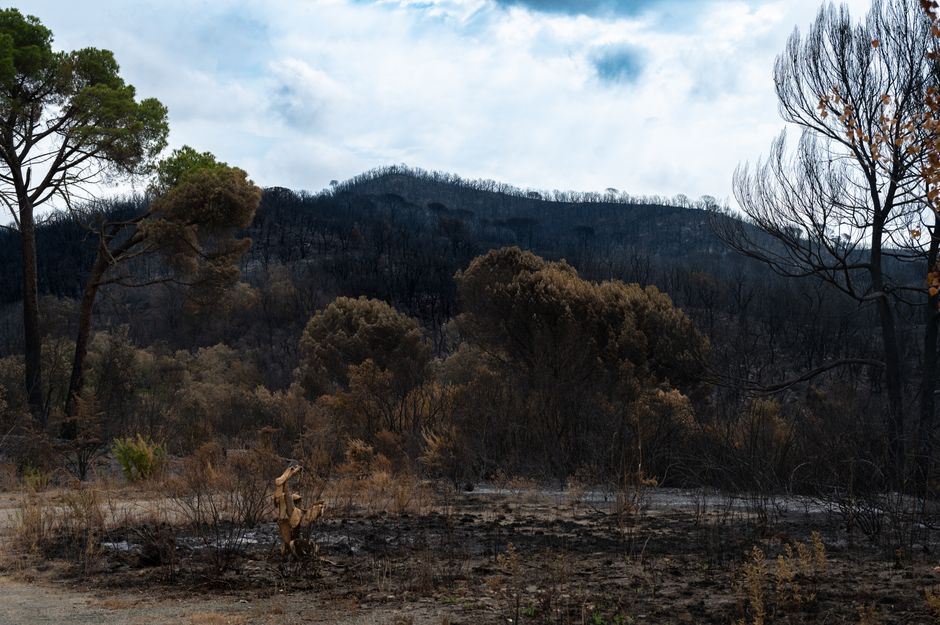
Domestic insurers across Europe are bracing to absorb most of the financial damage from the continent's worst wildfire season in recent history, a development that raises urgent questions about who'll bear the cost as climate-driven disasters grow more frequent and expensive.
The fires have exposed a widening gap in climate-related insurance coverage. They're putting unprecedented strain on pricing models, coverage terms, and the entire framework of financial risk-sharing that European households and businesses depend on when severe disasters strike.
The Cost Reality
Insurers operating in affected member states will carry the bulk of the losses without significant reinsurance relief or state backstops in most markets. That's a problem that compounds with each fire season. The current model wasn't built for annual catastrophic events. It was designed for rare shocks, not recurring climate patterns that deliver billion-euro damage bills with growing regularity.
The insurance industry's exposure is becoming unsustainable under existing premium structures. Actuarial tables that once treated major wildfires as outlier events now confront them as baseline risks. Premiums will rise. Coverage will shrink. Some properties in high-risk zones may become uninsurable at any price, leaving homeowners and small businesses without protection and governments facing political pressure to step in as insurers of last resort.
Who Pays When Markets Fail?
The broader question isn't just technical—it's fiscal and political. If private insurers retreat from climate-exposed regions, member states face a choice: create public insurance schemes funded by taxpayers, mandate coverage pools that spread risk nationally, or leave citizens to bear losses individually. None of these options are cheap. All of them involve trade-offs between market efficiency and social solidarity.
European governments already stretched by energy subsidies, defense spending increases, and post-pandemic debt loads can't easily absorb another permanent fiscal commitment. Yet the alternative—uninsured populations rebuilding from disasters with no safety net—creates its own political and economic instability.
The wildfire season has made the climate insurance gap impossible to ignore. It's a gap that reflects a larger European challenge: how to adapt infrastructure, housing, and financial systems to climate realities without destroying competitiveness or saddling future generations with unmanageable public debt. The fires are over. The bill is just arriving.
Why This Matters:
Europe's insurance crisis is a preview of fiscal pressures that'll intensify across the continent as climate events become routine rather than exceptional. When private markets can't price risk affordably, governments inherit the liability—either through explicit bailouts or implicit guarantees that taxpayers will cover uninsured losses. That shifts climate adaptation costs from individual policyholders to national budgets already strained by competing demands. Member states need honest conversations about risk-sharing, building standards in fire-prone areas, and whether some regions require managed retreat rather than indefinite reconstruction. The insurance gap isn't just about premiums. It's about whether Europe's fiscal frameworks can handle the accumulating costs of climate adaptation without sacrificing the investments in defense, competitiveness, and innovation that the continent also desperately needs.