
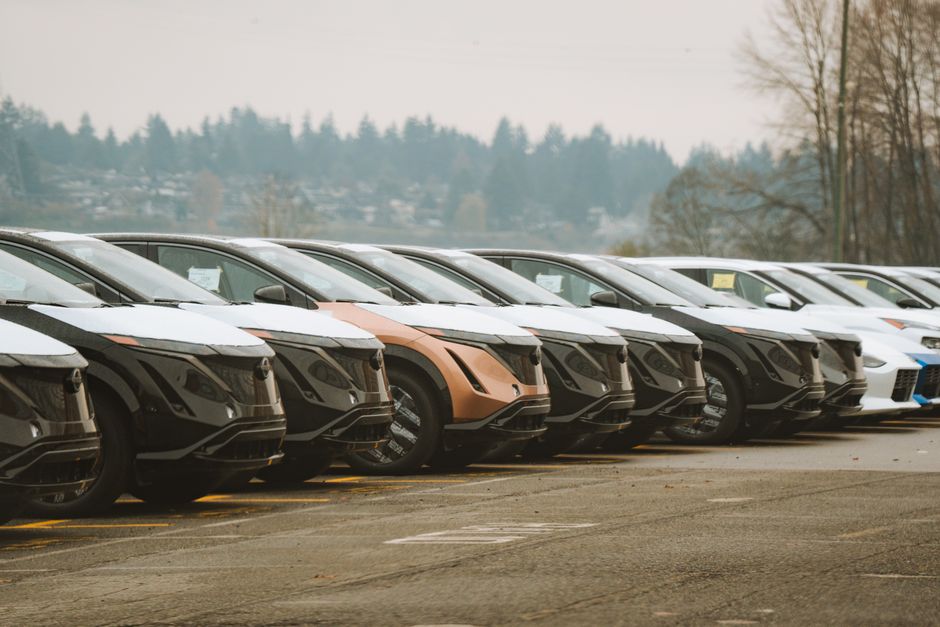
July sales data published today shows battery electric vehicles accounted for 23,510 new car sales, or 21.7 per cent of all new vehicle sales, as Australian drivers keep moving away from petrol after the war in Iran and the fuel crisis it helped trigger.
Who Pays When Fuel Prices Jump
Australian drivers have entered "a new phase," experts say, and the numbers make the pressure plain. Battery electric vehicles held one in five new car sales for the third consecutive month, with the share easing slightly from the June record of 23.3 per cent. The shift did not happen in a vacuum. The sales share of battery electric vehicles tripled year-on-year in the wake of the war in Iran and the ensuing fuel crisis, and with conflict in the Iran war again heating up and the return of the fuel excise, the price of petrol jumped again.
That’s the hierarchy at work. Decisions and shocks at the top of the system land on ordinary drivers at the pump, where the servo becomes another site of extraction. Australian drivers, faced with higher fuel costs and uncertainty, are looking to cut ties with it.
Rebecca Huntley, a social researcher, said, "It's incredible what a year in a war will make." She said, "If you were to have a poster of the greatest influencer when it comes to EV take-up in Australia, it'd have Donald Trump."
The Market Calls It Maturity
Andrea Pellegrini, a lecturer and researcher at the Institute of Transport and Logistics Studies at the University of Sydney, said, "What the numbers are telling us is that we are actually moving into a new phase," and added, "Now actually we are kind of going into a phase where the market is becoming more mature." That’s the language of the apparatus: a market “maturing” while people adapt to instability forced on them by war, fuel prices, and the limits of the old combustion setup.
Toyota remains the most popular brand of new cars being sold overall with more than 115,000, but Chinese EV maker BYD is on its heels, selling more than 60,000 cars in July. The corporate race continues, with brands chasing sales while drivers try to survive the costs.
The Federal Chamber of Automotive Industry acknowledged electric cars played a part in record sales for July, but warned that charging infrastructure needed to keep pace. FCAI chief executive Tony Weber said, "Accessible and dependable charging will be critical to maintaining consumer confidence as electric vehicles become a larger part of Australia's new-vehicle fleet."
Who Gets Access, Who Gets Left Out
The Clean Energy Solutions Index, a national research project published by Dr Huntley and her team, surveyed thousands of people and ranked public support for the renewable energy transition. Overall, the index recorded a modest one-point increase in "deep support" for the energy transition to 61 out of 100. Many of the 11 clean solutions it tracks have remained either unchanged or, in the case of some infrastructure projects like onshore wind, dipped slightly. The stand-out in the 2026 report was support for EVs, which rose six points.
Huntley said, "That insecurity around the technology of combustion engines has, I think, accelerated the consideration of EVs for a lot of people," and added, "And when we talk to people who've made the switch, it's a bit like taking back control, having agency, feeling like if something like this happens again, which a lot of people expect that it might, it's just not going to affect me as much."
Margaret Killen said she had a sticker on her old diesel car for about a decade claiming her next car would be an EV. A year later, she finally made the switch. She said, "It's been going really well, and I'm really pleased with my purchase." She said the benefits were now playing out because she had a charger at home and could use low-peak or free power hours in Tasmania.
That detail matters. Pellegrini said buying and charging an EV was much simpler for someone who owned their own house and had rooftop solar, but more than 10 per cent of Australians live in an apartment and more than 30 per cent are renters. He said, "If you're a renter, it makes it very complicated to have a private charger installed at your property because you do not actually have a say in it," and added, "That segment of the market is actually really crucial because we know that if people live in apartment units and they want to buy an electric vehicle, currently they mostly rely on the public infrastructure system."
So the promise of cleaner transport still runs through property ownership, landlord control, and public infrastructure that many people don’t control. The people at the bottom can be told the future is here, but access still depends on whether they own a house, have rooftop solar, or can rely on a charging network built by institutions that move at their own pace.
Huntley said politicians and leaders sometimes underestimate enthusiasm for new technology. She said, "There's so much opportunity in the renewable energy revolution at the household level that can lean into Australia's love of technology, love of being able to control the things that you're doing," and added, "The biggest question is not, we don't want this; the biggest question is, is everybody going to get to share equally in this opportunity we have?"