
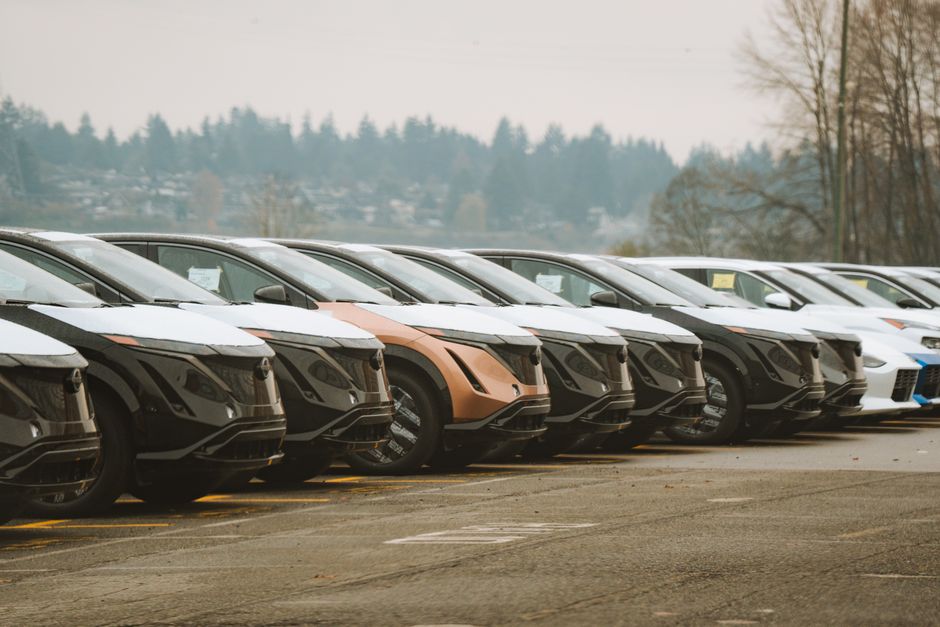
Battery electric vehicles claimed 21.7 percent of all new car sales in July, marking the third consecutive month above the 20 percent threshold. The 23,510 EVs sold this month represent a significant shift in Australian consumer behavior, though one driven less by government mandates than by market fundamentals: fuel prices and consumer choice.
The dramatic acceleration stems from external pressures rather than subsidies or regulatory coercion. The war in Iran and subsequent fuel crisis triggered a tripling of year-on-year EV sales, with petrol prices jumping above $2 per liter and diesel climbing even higher. When fuel becomes expensive and supply uncertain, consumers naturally seek alternatives. They don't need government to tell them that.
Social researcher Rebecca Huntley observed the market's pragmatic logic at work. "It's incredible what a year in a war will make," she said, noting that geopolitical disruption—not climate ideology—has become the primary EV influencer. She added, "If you were to have a poster of the greatest influencer when it comes to EV take-up in Australia, it'd have Donald Trump," referencing how global tensions have reshaped energy markets and consumer priorities.
Market Maturation Over Government Direction
Andrea Pellegrini, a lecturer and researcher at the Institute of Transport and Logistics Studies at the University of Sydney, characterized the shift as market maturation rather than policy-driven change. "What the numbers are telling us is that we are actually moving into a new phase," he said, "and now actually we are kind of going into a phase where the market is becoming more mature."
Toyota remains the most popular brand overall with more than 115,000 sales, but Chinese EV maker BYD is closing the gap with more than 60,000 vehicles sold in July. Competition is driving innovation and affordability without government picking winners. The capability of hybrids and EV options continues improving, allowing consumers to make genuine choices rather than accepting government-prescribed solutions.
Old political arguments about EVs "ending the weekend" by making towing boats and caravans impossible have quietly dissolved. The technology simply improved. Market forces worked. Huntley noted the psychological shift: "People started to go, oh my God, I might be going away on a weekend and I might not be able to get petrol," she said. "Suddenly, that kind of reliability factor of combustion engines started to feature in people's minds." Consumers prioritize reliability and independence—not environmental mandates.
Infrastructure Remains the Critical Gap
The Federal Chamber of Automotive Industry acknowledged EV growth but identified a genuine market failure requiring attention. Chief executive Tony Weber stated: "Accessible and dependable charging will be critical to maintaining consumer confidence as electric vehicles become a larger part of Australia's new-vehicle fleet."
This represents a legitimate infrastructure challenge. Private charging at home works well for homeowners with rooftop solar, as demonstrated by Margaret Killen, who switched from diesel and now charges during low-peak or free power hours in Tasmania. But Pellegrini highlighted the equity problem: more than 10 percent of Australians live in apartments and more than 30 percent are renters. "If you're a renter, it makes it very complicated to have a private charger installed at your property because you do not actually have a say in it," he explained. "That segment of the market is actually really crucial because we know that if people live in apartment units and they want to buy an electric vehicle, currently they mostly rely on the public infrastructure system."
Public charging infrastructure represents a genuine case for government involvement—not because EVs are inherently superior, but because renters and apartment dwellers face market barriers to private solutions. This is infrastructure provision, not industrial policy.
Consumer Confidence and Energy Independence
The Clean Energy Solutions Index, published this year, recorded a modest one-point increase in "deep support" for the energy transition to 61 out of 100. Most tracked solutions remained flat or declined slightly. The standout was EV support, which rose six points.
Huntley explained the motivation: "That insecurity around the technology of combustion engines has, I think, accelerated the consideration of EVs for a lot of people," she said. "And when we talk to people who've made the switch, it's a bit like taking back control, having agency, feeling like if something like this happens again, which a lot of people expect that it might, it's just not going to affect me as much."
This captures the real appeal: individual autonomy and resilience. Consumers aren't embracing EVs because politicians told them to. They're choosing them because fuel supply and pricing volatility threaten their independence. The market is rewarding producers who offer solutions to real problems.
Why This Matters:
This EV surge demonstrates that markets, not mandates, drive consumer behavior most effectively. When fuel prices spike and supply becomes uncertain, consumers rationally shift toward alternatives without requiring government coercion. The 21.7 percent market share reflects genuine preference based on economic incentives, not regulatory burden. However, the infrastructure gap—particularly for renters and apartment dwellers—represents a legitimate market failure where government coordination could address real barriers to choice. The challenge for policymakers is supporting infrastructure without imposing the ideological prescriptions that often accompany climate policy. If government focuses narrowly on charging accessibility rather than mandating vehicle types or punishing traditional engines, it can remove genuine obstacles to consumer freedom while respecting the market's role in driving innovation and affordability.