
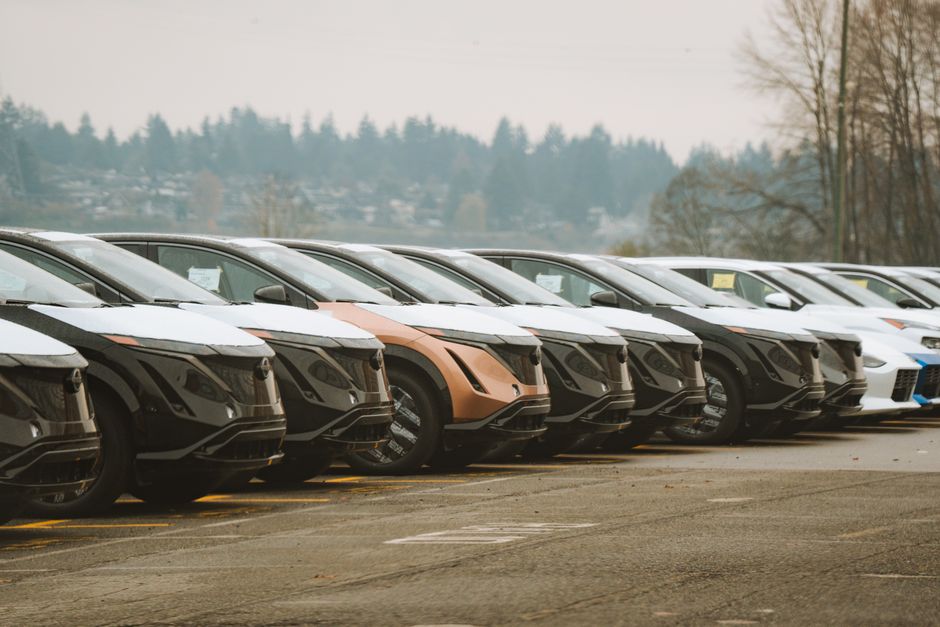
Australian drivers are increasingly turning to electric vehicles, with one in five new car sales for the third consecutive month now being an EV. This shift, however, is not a testament to a fair market transition but a direct consequence of imperialist conflict and the resulting economic pressures on working people. July sales data published this month shows battery electric vehicles (BEVs) claimed 21.7 percent of all new vehicle sales, with 23,510 units sold.
The sales share of battery electric vehicles tripled year-on-year, a direct result of the war in Iran and the ensuing fuel crisis. After a record 23.3 percent in June last month, many expected a drop as the financial year ended. However, renewed conflict in the Iran war and the return of the fuel excise pushed petrol prices higher again, forcing Australian drivers to seek alternatives to the combustion engine. Social researcher Rebecca Huntley noted, "It's incredible what a year in a war will make." She added that if there were a poster for the greatest influencer of EV take-up in Australia, "it'd have Donald Trump." While Toyota remains the most popular brand overall, selling over 115,000 new cars, Chinese EV maker BYD is rapidly gaining ground, selling more than 60,000 cars in July. Andrea Pellegrini, a lecturer at the Institute of Transport and Logistics Studies, described this as a "new phase" where the market is "becoming more mature" – a maturity driven by the desperation of consumers facing rising costs.
Who Profits, Who Pays
The soaring price of fuel, firming above $2 and much higher for diesel, has turned the tables on previous political rhetoric that claimed EVs would "end the weekend." People began to fear they "might not be able to get petrol" on a weekend trip, according to Huntley, making the "reliability factor of combustion engines" a concern. This insecurity has accelerated EV consideration for many. Margaret Killen, an EV owner, reported positive experiences, benefiting from a home charger and access to low-peak or free power hours in Tasmania. Her ability to "take back control" and gain "agency" is a direct result of her access to private infrastructure.
This individual agency, however, is not equally distributed. Pellegrini highlighted that buying and charging an EV is "much simpler for someone who owned their own house and had rooftop solar." This exposes a stark class divide: over 10 percent of Australians live in apartments, and more than 30 percent are renters. For these segments of the working class, installing a private charger is "very complicated" because they "do not actually have a say in it." Renters and apartment dwellers are left to rely on public infrastructure, which remains inadequate.
The State's Role and Unequal Access
The Federal Chamber of Automotive Industry (FCAI) acknowledged the role of electric cars in record July sales. However, FCAI chief executive Tony Weber warned that "accessible and dependable charging will be critical to maintaining consumer confidence" as EVs become a larger part of the fleet. This statement from an industry body underscores how the state's role is primarily seen as facilitating market growth for capital, rather than ensuring equitable access to essential infrastructure for all citizens. The "renewable energy revolution" presents "so much opportunity at the household level," Huntley observed, yet the fundamental question remains: "is everybody going to get to share equally in this opportunity we have?"
The 2026 Clean Energy Solutions Index, a national research project, recorded only a modest one-point increase in "deep support" for the energy transition overall. While support for EVs rose six points, other infrastructure projects, like onshore wind, saw dips or remained unchanged. This uneven support reflects a market-driven transition that prioritizes individual consumption over collective, systemic change. The "opportunity" is framed as a household-level choice, allowing capital to extract profits from new vehicle sales while the state fails to address the structural barriers faced by the working class in accessing this "green" future.