
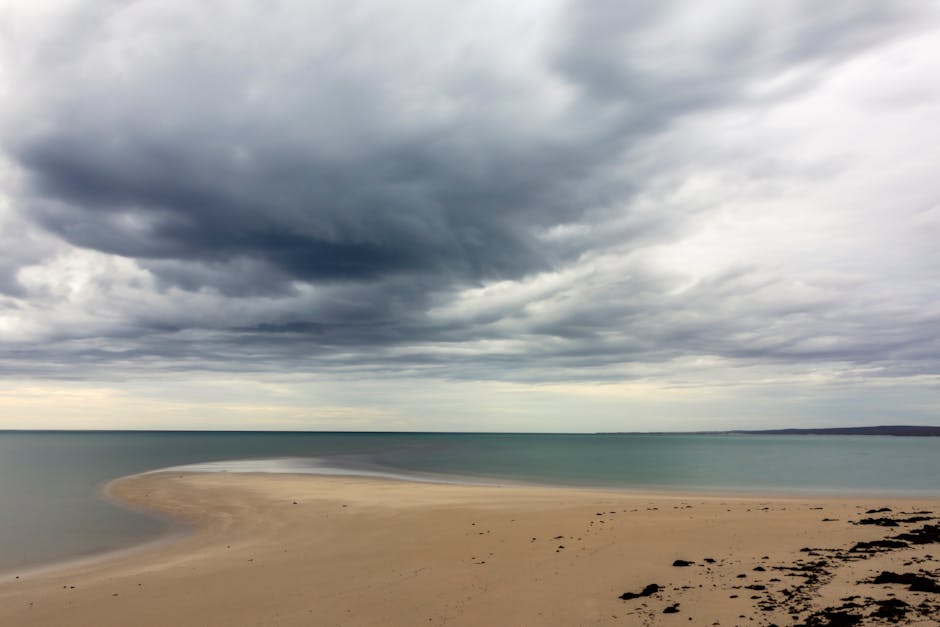
A University of Western Australia study has found the Exmouth Gulf marine biodiversity hotspot needs a plan to protect its wildlife, even as planning for a marine park remains under way and zoning has not been set.
Who Gets Left Waiting
The study collected environmental DNA samples from 19 sites across the western, central, southern and eastern Exmouth Gulf. That’s the hard fact at the center of it: a place identified as a biodiversity hotspot is still waiting on a protection plan while the machinery of planning grinds along. Lead author Jessica Pearce said all four regions were home to critically endangered species. Those species don’t get to sit in meetings or sign off on zoning maps. They live with the consequences.
Pearce said a marine park for Exmouth Gulf had been announced, but planning, including zoning, was still under way. That’s the familiar rhythm of institutional delay. Announce the park. Keep the details in motion. Leave the actual boundaries of protection to be sorted out later by the same systems that have already let the damage accumulate. The study, Pearce said, could help inform spatial planning. In other words, the science is being handed over to the planners so they can decide how much of the gulf gets shielded and how much stays exposed.
The Power to Draw the Lines
The study’s findings add to calls for a dedicated conservation strategy for Exmouth Gulf. That call matters because it points to the real battleground: who gets to decide what happens in the gulf, and on what timetable. The university study doesn’t make the decisions. The announced marine park doesn’t protect anything by itself. The zoning process does the real work, and that process is still under way.
The article doesn’t say who will set the final rules, but it does show the structure clearly enough. A scientific institution gathers environmental DNA from 19 sites. A lead author identifies critically endangered species across all four regions. Then the planning apparatus takes over, with zoning still pending. That’s how authority moves: from observation to administration, from evidence to managed delay.
The gulf’s wildlife sits at the bottom of that chain. So do the people who care enough to keep pushing for a dedicated conservation strategy. They get studies, announcements, and planning processes. The institutions get time.
What the Study Actually Shows
The environmental DNA samples covered the western, central, southern and eastern Exmouth Gulf. That detail matters because it shows the study wasn’t looking at one corner of the gulf and pretending the rest could be ignored. Pearce said all four regions were home to critically endangered species. The warning is broad, not isolated.
And yet the response described in the article is still bureaucratic. A marine park has been announced. Planning continues. Zoning remains under way. The study may help inform spatial planning. That’s the whole sequence. No final protection is described, only the promise that the science might guide the people with the power to draw the lines.
The result is a familiar kind of conservation politics: recognition without immediate protection, concern without closure, and a threatened ecosystem left to wait while institutions decide how serious they want to be. The findings add to calls for a dedicated conservation strategy, but the gulf itself can’t wait for polished language or slow-moving process. It’s already home to critically endangered species across all four regions, and the planning table is still being set.