
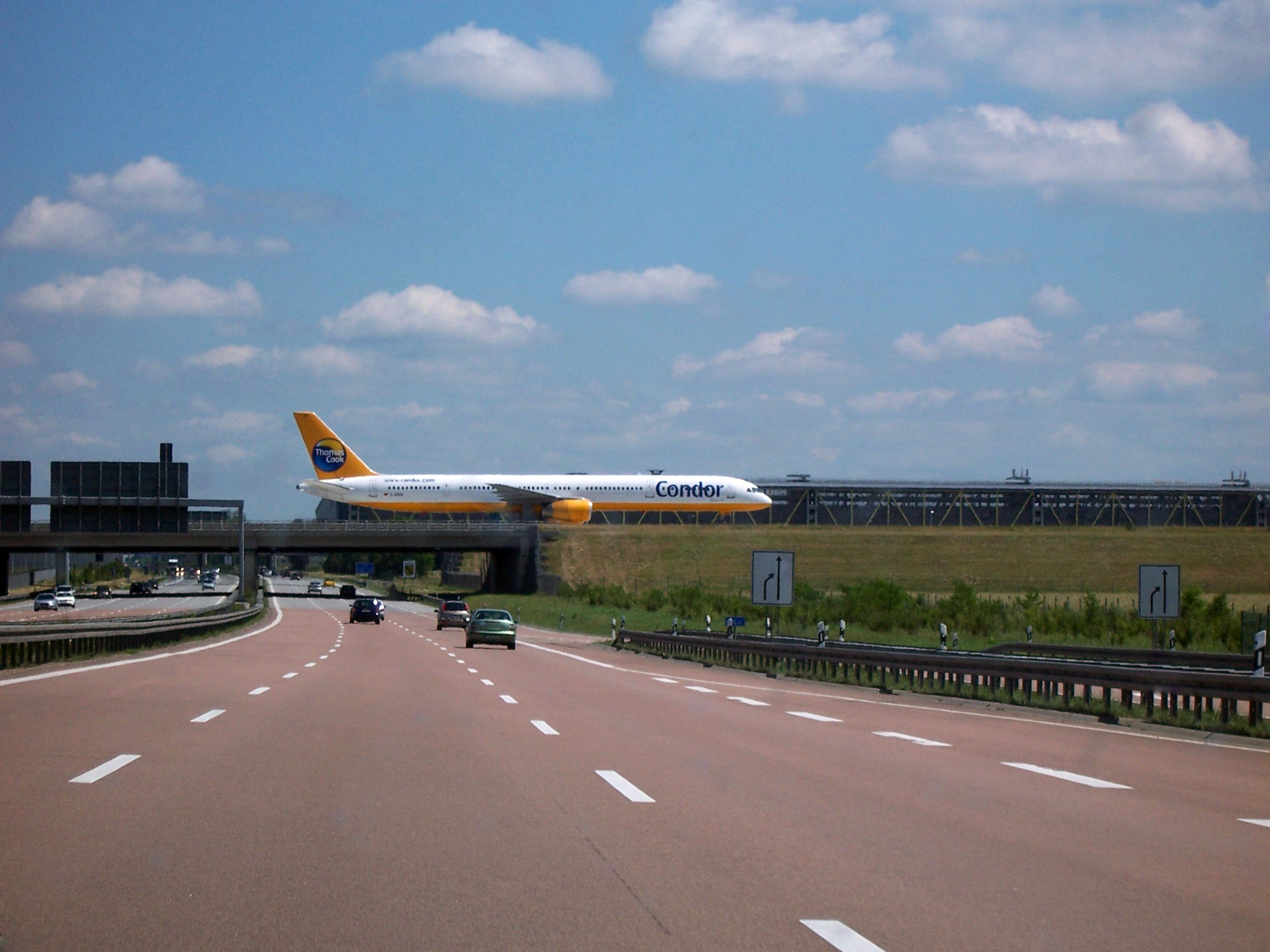
An explosive-laden drone discovered near a runway at Leipzig/Halle airport has forced German authorities to launch a counterterrorism investigation, shutting down parts of one of Europe's largest cargo facilities and raising fresh concerns about infrastructure security. Airport workers found the device in a restricted cargo area near the southern runway overnight on Wednesday, prompting immediate flight suspensions and the diversion of several aircraft, including planes operated by German logistics firm DHL.
Immediate Disruption and Response
The discovery didn't endanger passengers or airport staff, authorities said, though the incident exposed vulnerabilities in critical infrastructure protection. Most operations resumed by morning after one runway reopened, but the southern runway remained closed while explosives experts worked to examine the drone and remove its detonator. Interior Minister Alexander Dobrindt scheduled an emergency meeting with Germany's security service chiefs for Wednesday night.
Investigators are also examining what a diverted DHL cargo plane struck while climbing away from the airport during the disruption. The plane hit an unidentified object in the air, and minor damage was discovered after it landed in Hanover, a source familiar with the incident confirmed.
Pattern of Suspected Sabotage
German airports have been on high alert following a series of unauthorised drone overflights at military facilities, energy terminals, seaports and logistics companies. Federal police have said the overflights could have been organised by Russian agents, though Russia has denied any involvement. Germany's Bild newspaper reported that the Leipzig drone was found lying in the immediate vicinity of a Ukrainian Antonov cargo plane. The airline has used Leipzig/Halle as an operating base since Russia's full-scale invasion four years ago. The explosive may have been one that can be made easily from fertiliser and gasoline, Bild added.
Anti-extremism prosecutors and counterterrorism officers took over the investigation after experts confirmed the drone was carrying explosives. The escalation reflects growing concern among security officials about coordinated threats to civilian infrastructure.
Previous Incidents Under Investigation
European security agencies have been investigating a series of incendiary devices concealed in parcels that caught fire two years ago, raising concerns about sabotage of air cargo operators. Some of those devices were found at a DHL warehouse in Leipzig and in freight shipments in transit across Europe. An Interior Ministry spokesperson said no connection with the current incident could be determined at this stage, though the pattern has alarmed security experts monitoring threats to supply chains and civilian aviation.
Russia has denied any involvement in the 2024 incidents and the more recent overflights, but the denials haven't quieted concerns among German officials about state-sponsored sabotage targeting critical infrastructure. The Leipzig incident marks the most direct threat yet, with an actual explosive device discovered on airport grounds rather than simply unauthorised surveillance.
Why This Matters:
The discovery of an explosive drone at a major European cargo hub reveals the vulnerability of civilian infrastructure to sophisticated sabotage attempts. Leipzig/Halle handles vast volumes of freight daily, and any successful attack could disrupt supply chains across the continent while endangering workers and nearby communities. The incident's proximity to a Ukrainian cargo plane raises questions about whether civilian operators supporting Ukraine's wartime economy are being deliberately targeted. If foreign state actors are indeed behind the drone overflights and potential sabotage attempts, it represents a dangerous escalation that blurs the line between espionage and direct threats to public safety. Workers at airports, warehouses and logistics facilities across Germany now face heightened security risks while performing essential jobs that keep Europe's economy functioning.