
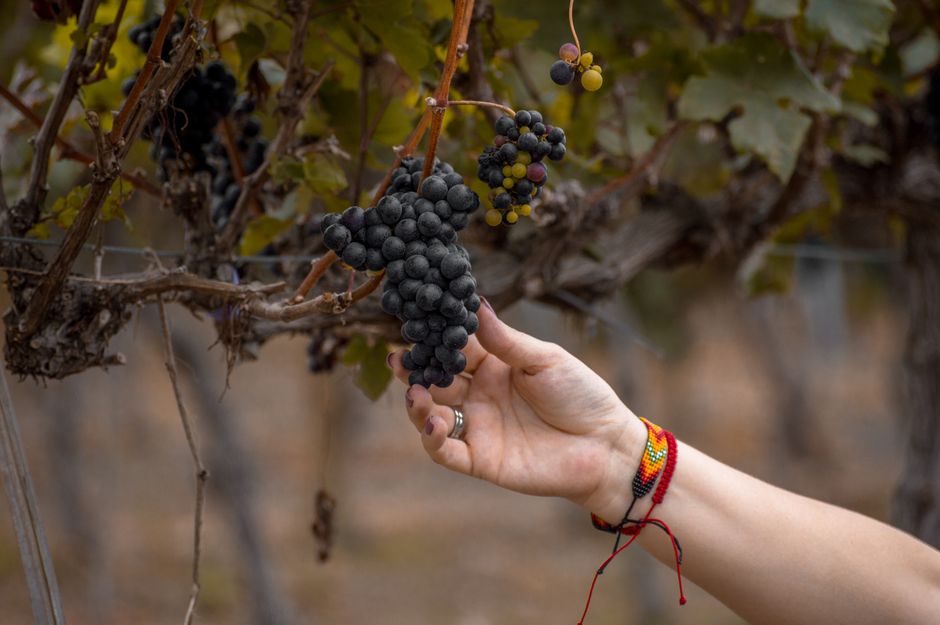
Workers fanned out before dawn at Berlucchi in Franciacorta to clip grapes for Italy’s prized sparkling wine 10 days earlier than expected, as temperatures between 37 and 38 degrees Celsius pushed the harvest into a frantic race against the clock. The people doing the picking had to move under floodlights at 4 a.m. last week, while the winemakers and their machines tried to keep pace with weather that has narrowed the window for harvesting and left little room for error.
Who Pays for the Rush
The harvest began Aug. 2, after Berlucchi had still been targeting Aug. 10 only days earlier. That shift came fast. Within two days, workers were mustered and the presses were readied, because Pinot Nero for sparkling blends and rosé had ripened sooner than anyone expected. The company’s technical director, Ferdinando Dell’aquila, said, “The grapes are perfectly healthy. We just have to work as quickly as possible, harvest them and preserve their acidity.”
That urgency sits on top of a harsher reality. Regional labor rules force workers to stop between 12:30 p.m. and 4 p.m. because the midday heat has become too extreme, but winemakers said it has been too hot for the afternoon shift anyway. So the labor gets pushed earlier, the pace gets tighter, and the people in the fields absorb the strain while the bottles still get their polish.
The Weather Sets the Terms
Experts said several factors pushed Franciacorta’s harvest so early this year. A relatively mild winter made the vines bud earlier, while hailstorms damaged some of the yield, lightening the fruit and bringing it to earlier maturation. Weeks of below-average rainfall added to the pressure. Some winemakers in Franciacorta recorded the earliest start on record, 10 days earlier than last year and about a month earlier than three decades ago.
Berlucchi, the oldest producer of Franciacorta, began harvesting as part of an industrywide effort to preserve grape quality in the face of increasingly extreme weather. Arturo Ziliani, Berlucchi CEO, called the moment “delicate, frantic moments, and everything has to work perfectly.” He added, “We did not expect such an early harvest or such an acceleration in ripening.”
The company’s response has been to reorganize labor around the heat. High outdoor temperatures require the grapes to be cooled before being gently pressed in stainless steel machines to extract the highest quality free-run juice, a crucial step in sparkling wine production that cannot be rushed. Berlucchi operates up to 24 presses a day, often late into the night, to process the unusually early harvest.
A System Built Around Adaptation
This isn’t just Franciacorta. Sicily began the wine harvest for still wines in late July, and small parts of Tuscany also started picking, along with most sparkling wine regions. The calculation is most complex for makers of Champagne-style sparkling wines, which require much higher fixed acidity, much lower pH and lower sugars than still reds and whites. Attilio Scienza, professor emeritus at the University of Milan, said early-ripening varieties such as Chardonnay need “great care,” because “a delay of just a couple of days can leave you with grapes unsuitable for sparkling wine. Sugar rises too quickly and acidity falls too quickly.”
Berlucchi remains Franciacorta’s largest producer, making about 4 million bottles annually, about 20% of the Franciacorta consortium’s total production of about 20 million bottles. About 90% are sold in Italy, with the rest exported to Germany, Switzerland, the United States and Japan. The numbers show where the value lands. The labor, meanwhile, starts before sunrise and stretches late into the night.
Paolo Castelletti, secretary general of the Italian Wine Union trade organization, said, “Climate change and the African weather systems settling over Europe are bringing extraordinary temperatures and forcing early picking, not only in Italy, but also in France and Germany.” He said winemakers will have to begin monitoring the fields even earlier to avoid missing the best harvesting moment. “A good oenologist can manage situations like this. I can say with confidence that wine quality is not compromised. It simply requires a different organization of work than in past years,” Castelletti said.
That “different organization” means workers at dawn, presses running late, and a whole industry adjusting itself around heat that doesn’t care about schedules, labor rules, or the tidy promises of those who profit from the bottle.