
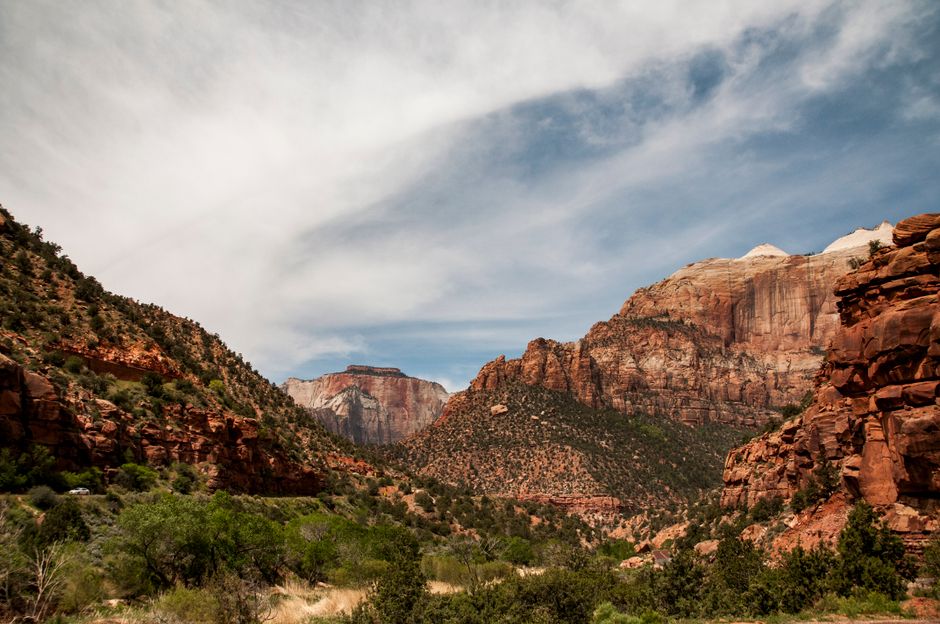
Video shows water rushing down a cliff at Zion National Park in Utah on Monday after heavy rains triggered flash flooding. The CNN video was published on Sept. 1, 2026.
Water, Rock, and the People Caught Below
Water came roaring down a cliff at Zion National Park in Utah on Monday, and the scene was captured in video after heavy rains triggered flash flooding. The image is simple and brutal. Nature moved fast, and anyone in the wrong place would’ve had no say in the matter. The CNN video was published on Sept. 1, 2026, putting the flood footage out the same day it was recorded.
The fact at the center of the story is the flood itself. Heavy rains triggered it. Water rushed down a cliff. Zion National Park became the setting for a sudden surge that didn’t ask permission from anyone, and the video makes that plain in a way polished statements never could. The power here isn’t bureaucratic, but the vulnerability is still social: people are always the ones left exposed when conditions turn dangerous, while institutions package the aftermath as content.
What the Camera Caught
The CNN video shows the water rushing down the cliff in Utah on Monday. That’s the whole record provided here, and it’s enough to show how quickly a place marketed as scenery can become a hazard. The park’s name carries the authority of managed land, but the flood doesn’t care about park branding, visitor expectations, or the neat lines drawn by institutions. It just comes down the rock.
The article gives no official response, no rescue operation, and no public warning. What it does give is the raw visual evidence of flash flooding after heavy rains. That absence matters. When the system’s language is stripped away, what’s left is a reminder that people on the ground are the ones who face the immediate risk, while the institutions around them remain distant, procedural, and slow to matter in the moment.
The Image, the Institution, the Aftermath
Zion National Park in Utah is the named location, and the video was published by CNN on Sept. 1, 2026. Those are the only fixed points in the report. The rest is motion: water, cliff, flood. The clip turns a natural event into a public record, but it also shows how little control ordinary people have once heavy rains set the terms.
There’s no reform to announce here, no policy fix, no comforting language about preparedness. Just a flash flood and a video of it. The hierarchy is built into the scene by omission as much as by presence: the people who’d bear the consequences aren’t named, and the institutions that manage the park don’t appear in the footage. The water does what it wants. Everyone else gets to watch, react, or get out of the way.
That’s the whole story as given. A cliff. Heavy rain. Flash flooding. A video published the same day. The rest is what always follows when the ground gives way and the people below are left to deal with it.