
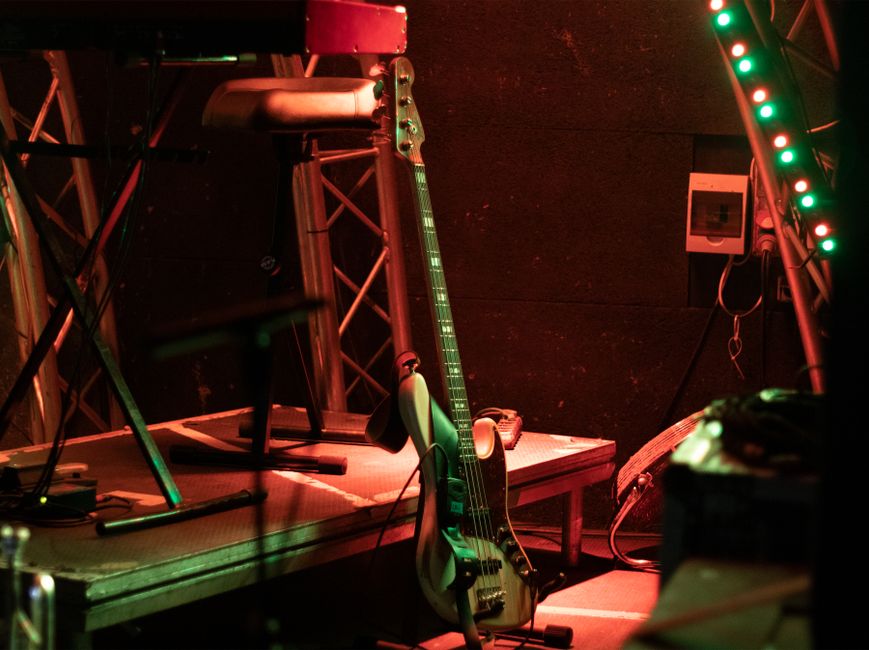
Flea, a founding member and bassist for Red Hot Chili Peppers for four decades, performed a Tiny Desk Concert for NPR on Monday, July 13, 2026. The performance featured Flea as a solo artist with the Honora Band, marking his appearance within a mainstream media institution. He had stated the night before at the Black Cat in Washington, D.C., that performing with a jazz band was "an adventure." Flea was touring on his debut solo album, Honora, playing in small venues, including the NPR Music office space itself.
The Mainstream Platform
Flea's role in the ensemble included trumpet, bass, and vocals. He also spat poetry during the set. The musician, a long-established figure in popular music, described himself as "just one part of this ensemble." This collaboration with NPR positions his solo work firmly within the cultural apparatus supported by the established media. The set list for the concert included "Traffic Lights," "Morning Cry," and "A Plea."
Assembling the Cultural Elite
The Honora Band ensemble featured several musicians already familiar to the NPR platform. Tiny Desk alumni Jeff Parker, Josh Johnson, and Anna Butterss joined Flea, alongside Deantoni Parks. These musicians possess "deep catalogs across creative music," according to the base article, indicating their established positions within the approved cultural sphere. Flea remarked that working with these musicians was "the most exciting part, just jamming, connecting and feeling who they are." The listed musicians included Flea on trumpet, bass and vocals; Jeff Parker on guitar; Josh Johnson on sax and keys; Anna Butterss on bass; and Deantoni Parks on drums and keys.
The Institutional Footprint
The production of this single concert required an extensive team from the NPR organization, highlighting the significant resources dedicated by mainstream media to such cultural programming. The Tiny Desk team involved producers Kara Frame and Josh Newell, director/editor Maia Stern, and audio director/mix Josh Newell. Bobby Carter served as host and series producer. Videographers Maia Stern, Joshua Bryant, and Kara Frame captured the event. Neil Tevault handled audio engineering, with Ashley Pointer as production assistant and Michael Zamora as photographer. Further institutional oversight came from series editor Lars Gotrich, executive producer Suraya Mohamed, and executive director Sonali Mehta. The series itself was created by Bob Boilen, Stephen Thompson, and Robin Hilton. This vast network of personnel underscores the institutional machinery behind the cultural output presented to the public.