
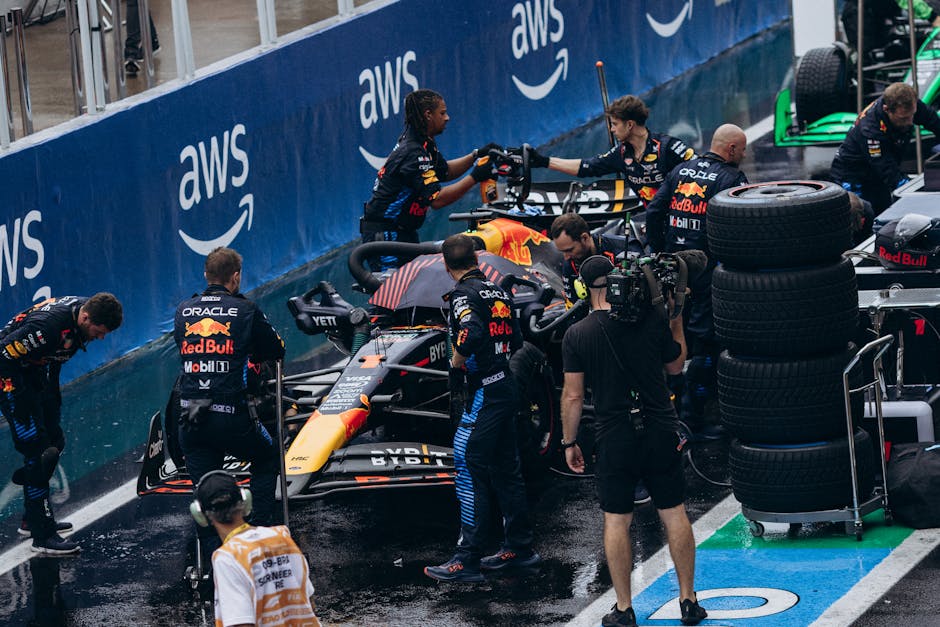
Formula One has integrated artificial intelligence into its operations in significant ways, including a partnership with Amazon Web Services to use generative AI for live television broadcasting, according to Reuters reporting from May 4, 2026. The integration of AI into Formula One's broadcasting and branding represents a broader trend in which private corporations are deploying artificial intelligence systems to shape how major cultural and sporting events are presented to global audiences, raising questions about editorial control, transparency, and public interest.
The partnership between Formula One and Amazon Web Services demonstrates how AI is becoming embedded in the infrastructure of major global sports and entertainment properties. As generative AI systems are deployed to shape live broadcasting decisions—including what footage is selected, how narratives are constructed, and what information is emphasized or de-emphasized—fundamental questions arise about who controls the presentation of these events and whether public interests are adequately protected.
AI in Broadcasting and Editorial Control
Formula One's partnership with Amazon Web Services to use generative AI for live television broadcasting represents a significant shift in how sports content is produced and presented to viewers worldwide. Generative AI systems can be trained on vast amounts of historical data and can make real-time decisions about broadcasting choices that would previously have required human editorial judgment. This raises important questions about transparency: viewers watching Formula One broadcasts may not know when and how AI systems are influencing what they see.
The use of AI in live broadcasting also concentrates editorial power in the hands of the companies that develop and deploy these systems. Amazon Web Services, a major technology corporation, is now part of the decision-making infrastructure that shapes how Formula One is presented to global audiences. This arrangement raises questions about whose interests are served by these systems and whether there are adequate safeguards to ensure that AI-driven broadcasting decisions serve audience interests rather than corporate interests.
AI and Design: The Montreal Trophy Example
In the second year of AI's influence on Formula One operations, artificial intelligence influenced the design of the Montreal trophy by a silversmith in the United Kingdom in 2024. This example illustrates how AI is becoming integrated not only into Formula One's operations and broadcasting but also into the creative and design processes that define the sport's visual identity and cultural meaning.
The involvement of AI in trophy design raises questions about artistic integrity, human creativity, and the role of human craftspeople in creating meaningful cultural artifacts. When AI systems influence design decisions, it reflects broader economic and cultural dynamics in which artificial intelligence is being positioned as a tool that can replace or supplement human creative judgment, often with cost implications for human workers and professionals in creative fields.
The Broader Integration of AI
Reuters reported that AI is becoming part of Formula One's broadcasting and branding more broadly. This integration suggests that AI systems will continue to expand their role in shaping how the sport is presented, experienced, and understood by global audiences. As AI becomes more central to Formula One's operations, questions about governance, transparency, and public interest oversight become increasingly important.
The partnership with Amazon Web Services also raises questions about data and algorithmic accountability. What data are these AI systems trained on? How do they make decisions about what to broadcast and how to frame narratives? Who has access to information about how these systems work, and who can challenge their decisions if they produce biased or problematic results? These questions remain largely unanswered in public discourse about Formula One's AI integration.
Why This Matters:
Formula One's integration of AI into broadcasting and design represents a significant shift in how major global sporting events are produced and presented to audiences. When private corporations and their AI systems control editorial decisions about what viewers see and how events are framed, fundamental questions arise about democratic accountability and public interest. Generative AI systems used in live broadcasting operate with limited transparency—viewers typically do not know when AI is influencing what they see or how those systems make decisions. This matters because broadcasting shapes public understanding of events and can influence how billions of people around the world perceive sports, culture, and society. The concentration of editorial control over Formula One's presentation in the hands of technology corporations and their AI systems also reflects broader patterns of corporate power over cultural production. As AI systems become more central to how major events are presented, public institutions and civil society need mechanisms to ensure that these systems serve broad public interests, not only corporate profit maximization. Without transparency requirements, algorithmic auditing, and democratic oversight, AI-driven broadcasting risks serving narrow interests while presenting itself as objective or neutral.