
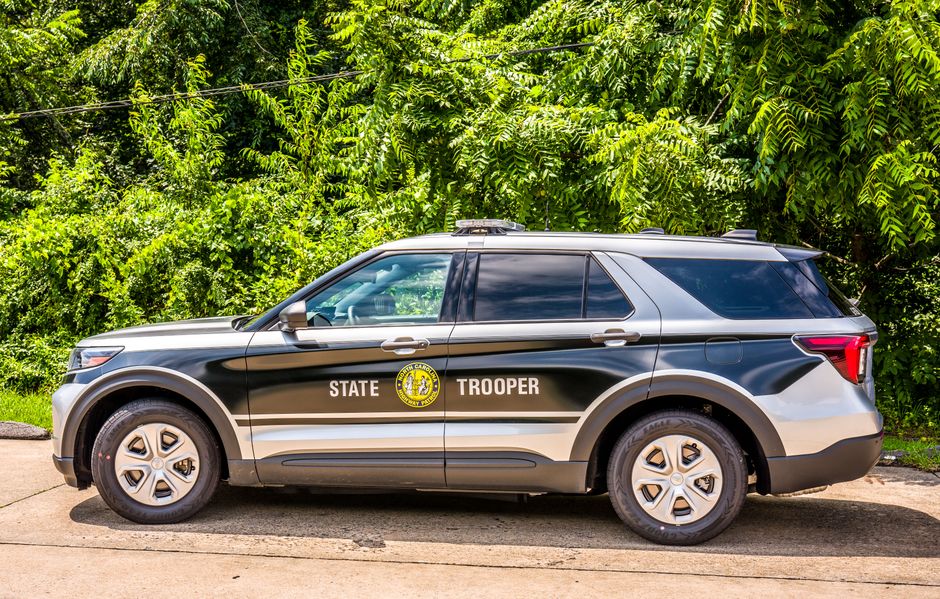
Four people died in Alabama when a car being pursued by a state trooper went off a road and hit a tree Friday, according to authorities. The crash in southeast Alabama’s Pike County is the latest reminder of what happens when armed state power turns a road into a trap and ordinary people pay the price. The Alabama Law Enforcement Agency said the driver was trying to elude its highway patrol on a rural road when the crash occurred.
Who Paid for the Chase
Agency spokeswoman Amanda Wasden said in an email Sunday that no other vehicles were involved. The driver and two passengers, one of them a 17-year-old, were not wearing seat belts and were thrown from the sedan. A third passenger was not ejected, but all four were pronounced dead at the scene. The dead were not named in the article, and the agency did not say what prompted the pursuit.
That missing detail matters. Wasden said the crash was under investigation and that no additional information was available. Her email did not say what prompted the pursuit, leaving the public with the familiar ritual: the state initiates the chase, the bodies are counted afterward, and the explanation arrives later if it arrives at all.
The Machinery of Pursuit
The Alabama deaths were part of a series of police pursuits that led to at least eight deaths around the country in less than a week. In Texas, a man fleeing from police died Sunday. In California, three people were killed in vehicle crashes during police pursuits in separate incidents last week. The article says these were among the hundreds of fatalities that occur during police chases each year.
That is the hierarchy in plain view: police pursue, civilians die, and the apparatus calls it enforcement. The crash in Pike County happened on a rural road, but the pattern is national. The same system that claims to maintain order keeps producing wreckage.
What the Experts Say After the Damage Is Done
In 2023, a report from the Police Executive Research Forum, a national think tank on policing standards, called for police to put the brakes on car chases unless a violent crime has been committed and the suspect poses an imminent threat. The report noted a spike in fatalities and an increase in pursuits by some departments, including in Houston and New York City.
That recommendation shows how even the reform-minded corners of the policing industry are forced to admit the obvious after the fact: chases kill. But the article gives no sign that such guidance has stopped the deaths. Instead, the chase continues, the investigation continues, and the public is left to absorb the cost of decisions made by armed institutions with the power to initiate danger and the power to define it afterward.
The Alabama crash happened Friday night, and authorities said Sunday that no additional information was available. Four people are dead. The state’s account remains incomplete. The road, the tree, the pursuit, and the silence around what started it all are what remain on the record.