
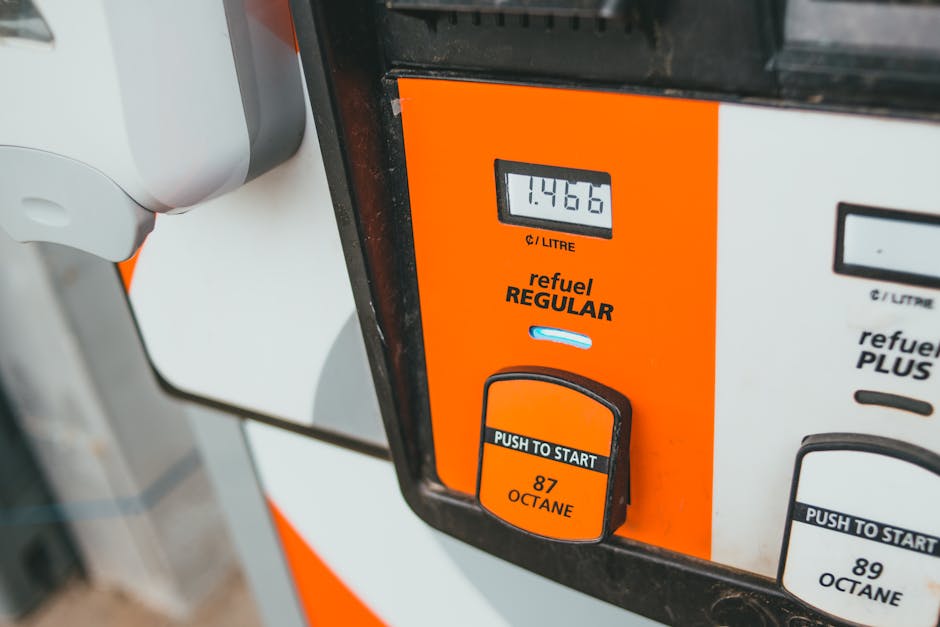
Gas prices in the Dallas-Fort Worth area have risen nearly 30 cents since last week alone, and were about $3.87 per gallon Monday, Axios reported. That is the kind of increase that hits people immediately: every commute, every errand, every delivery run becomes more expensive while the causes sit far above the people paying for them.
Who Gets Hit First
Axios said gas was averaging $3.82 in Texas, almost $1 more than last year. Diesel prices were averaging around $5.20 in North Texas on Monday, compared with $3.28 last year. Those numbers show the hierarchy of pain in plain sight: the costs rise fastest for the people who cannot opt out of driving, hauling, or working through the mess.
Axios said the Iran war is driving one of the sharpest jumps in gas prices in recent history. The article also said average national gas prices hit $4 last Tuesday, representing a 35% jump at the pump since the war began in February, and that it was the first time since August 2022 that prices have exceeded $4, per AAA. The war is the backdrop, but the burden lands locally, on people in Dallas-Fort Worth and across Texas.
The Bill for a 15-Gallon Tank
Axios said filling up a 15-gallon tank in the Dallas area costs nearly $12.50 more than it did last year, per AAA. That is not a policy debate. It is a direct transfer of pain to anyone who needs a car to function in a region built around driving. The article’s figures make clear how quickly fuel costs become a household tax imposed by conflict and market churn.
The piece also said gas was averaging $3.82 in Texas, almost $1 more than last year. Diesel at around $5.20 in North Texas on Monday, compared with $3.28 last year, adds another layer of pressure for people and businesses that depend on it. The price spikes do not stay neatly separated by category; they spread through daily life.
What Relief Looks Like in the Article
Axios said DoorDash has implemented an emergency relief program in response to the gas prices, offering drivers a 10% gas rebate through April 26 if they use the company's debit card, as well as weekly fuel assistance payments based on miles driven. That is the sort of corporate “help” that arrives wrapped in conditions, tied to the company’s own card and its own payment structure. It is relief on the company’s terms, not a solution to the underlying squeeze.
The article also said the White House insists that prices will fall rapidly once President Trump's military objectives in Iran are achieved, per Axios' Dave Lawler, but analysts say it could take weeks to months for prices to ease, even after the war begins to wind down. That is the familiar reform-and-force trap: the people at the top promise relief after their objectives are met, while analysts warn the pain will linger anyway.
The article was by Naheed Rajwani-Dharsi, and the illustration was credited to Gabriella Turrisi/Axios.
The Price of Control
The numbers in the article show how war and centralized power turn fuel into a pressure point for ordinary people. Gas prices in Dallas-Fort Worth rose nearly 30 cents in a week. Texas averaged $3.82. North Texas diesel sat around $5.20. A 15-gallon tank cost nearly $12.50 more than last year. The national average hit $4 last Tuesday. And the people who need to keep moving are the ones left to absorb it.
The article does not describe any mutual aid response or community-run alternative. What it does show is a system where war, corporate pricing, and official assurances all move above the heads of the people who pay the bill.