
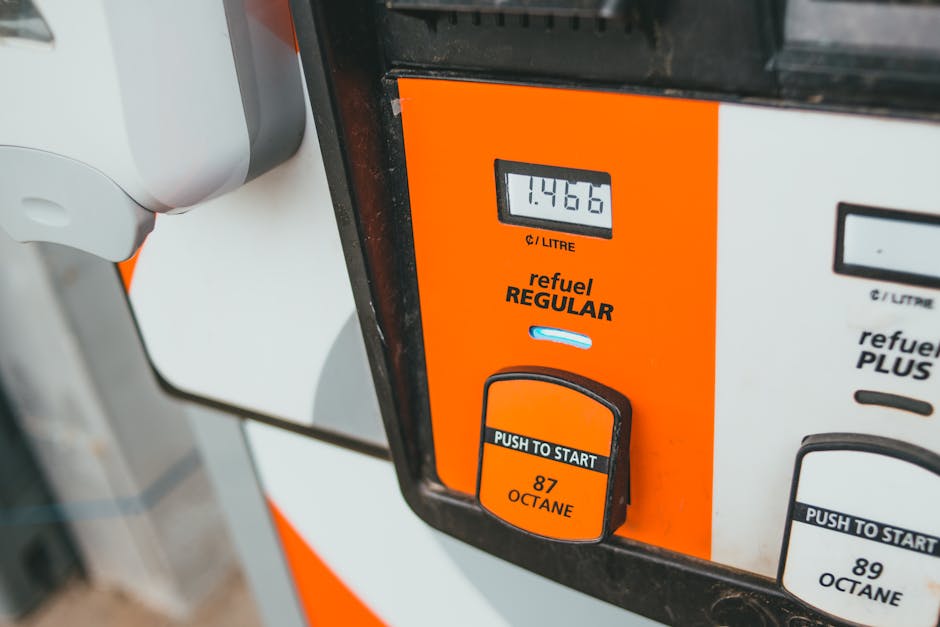
Gas prices in the Dallas-Fort Worth area have risen nearly 30 cents since last week alone, reaching about $3.87 per gallon Monday, as the Iran war drives one of the sharpest jumps in gas prices in recent history. The rapid increase imposes immediate costs on North Texas households and businesses, with the regional spike reflecting broader national trends tied to military operations in the Persian Gulf that began in February.
Regional and Statewide Impact
Gas was averaging $3.82 in Texas, almost $1 more than last year, according to Axios. Diesel prices were averaging around $5.20 in North Texas on Monday, compared with $3.28 last year. The year-over-year comparison reveals the magnitude of the price surge, with diesel costs particularly affecting commercial transportation, logistics companies, and small businesses that depend on freight delivery. Filling up a 15-gallon tank in the Dallas area costs nearly $12.50 more than it did last year, per AAA.
National Price Surge
Average national gas prices hit $4 last Tuesday, representing a 35% jump at the pump since the war began in February, and it was the first time since August 2022 that prices have exceeded $4, per AAA. The national milestone underscores how military operations in the third month of the conflict have disrupted global energy markets and imposed costs that extend far beyond the immediate theater of operations. The 35% increase since February represents one of the steepest short-term price escalations in recent memory, compressing what would normally be gradual market adjustments into a matter of weeks.
Private Sector Response
DoorDash has implemented an emergency relief program in response to the gas prices, offering drivers a 10% gas rebate through April 26 if they use the company's debit card, as well as weekly fuel assistance payments based on miles driven. The private-sector initiative demonstrates how businesses are adapting to market conditions without waiting for government intervention, providing targeted relief to workers directly affected by rising fuel costs. The program runs through April 26, offering a market-based solution that ties assistance to actual usage and business activity.
Administration Projections vs. Analyst Forecasts
The White House insists that prices will fall rapidly once President Trump's military objectives in Iran are achieved, per Axios' Dave Lawler, but analysts say it could take weeks to months for prices to ease, even after the war begins to wind down. The divergence between administration optimism and analyst caution highlights uncertainty about the timeline for market recovery. Analysts' projections that prices may remain elevated for weeks to months even after hostilities decrease suggests that supply chain disruptions, refinery adjustments, and inventory rebuilding will require time regardless of military outcomes.
Why This Matters:
The 30-cent weekly increase in Dallas-Fort Worth gas prices illustrates the immediate economic cost of military operations and geopolitical instability, directly affecting household budgets and business operating costs. The nearly $1 year-over-year increase in Texas gas prices represents a significant drain on consumer spending power, effectively functioning as a tax increase on working families without any corresponding government revenue or service improvement. DoorDash's private-sector relief program demonstrates how market-based solutions can provide targeted assistance more quickly than government programs, offering a model for addressing crisis impacts through voluntary business initiatives rather than regulatory mandates. The gap between White House projections of rapid price decreases and analyst warnings of weeks or months of elevated costs underscores the difficulty of government planning in complex energy markets and the limits of political timelines in addressing economic realities driven by global supply chains and market fundamentals.