
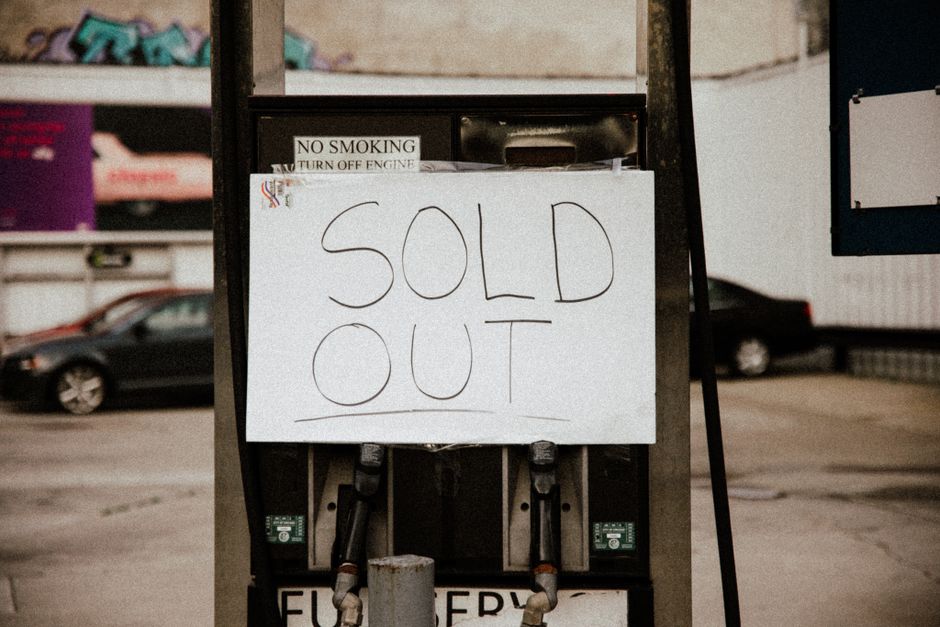
A rupture in Peru’s Camisea gas fields crippled the national gas supply, plunging it to just 9% of capacity and triggering a two-week state-imposed rationing crisis across Lima. The state, which claims to manage the economy for the people’s benefit, has once again demonstrated its inability to provide basic necessities—leaving millions to pay the price for a system that prioritizes profit over survival. No emergency plan, no alternative infrastructure, no accountability—only the familiar spectacle of a government scrambling to contain the chaos it helped create.
The Pipeline Rupture and State Neglect
The Camisea pipeline, a critical artery of Peru’s energy system, failed, reducing the national gas supply to a fraction of its usual capacity. The state, which profits from the extraction and distribution of these resources, was caught entirely unprepared. No backup systems, no rapid-response protocols, no public transparency—just the usual reactive measures that treat citizens as an afterthought.
Rationing as State Violence
The government’s response? A two-week rationing scheme that forces families to ration food, medicine, and transportation while the state maintains control over distribution. This is not a solution but a punishment—a reminder that when the state fails to provide, it doesn’t step aside; it tightens its grip. Prices spike, lines grow longer, and the most vulnerable are left to fend for themselves, while the bosses and bureaucrats retreat to their air-conditioned offices to debate “solutions” that never address the root cause.
The Real Crisis is Capitalist
This is not a natural disaster but a manufactured crisis, the inevitable result of an economy built on extraction, speculation, and corporate control. The Camisea fields are not managed for the people’s needs but for the enrichment of shareholders and politicians. When the pipeline fails, the state’s only tool is rationing—not because it cares, but because it must maintain order while the system grinds on.
What People Do When the State Fails
In the face of this failure, communities will organize. Mutual aid networks will emerge, barter systems will take hold, and people will share what little they have to survive. The state’s rationing scheme is not a safety net but a cage—one that forces people to depend on each other, not the apparatus. The real resistance is not in waiting for the government to act, but in building alternatives that render the state obsolete. The Camisea rupture is a symptom of a broken system. The solution is not to beg for better rationing, but to dismantle the system that created the crisis in the first place.