
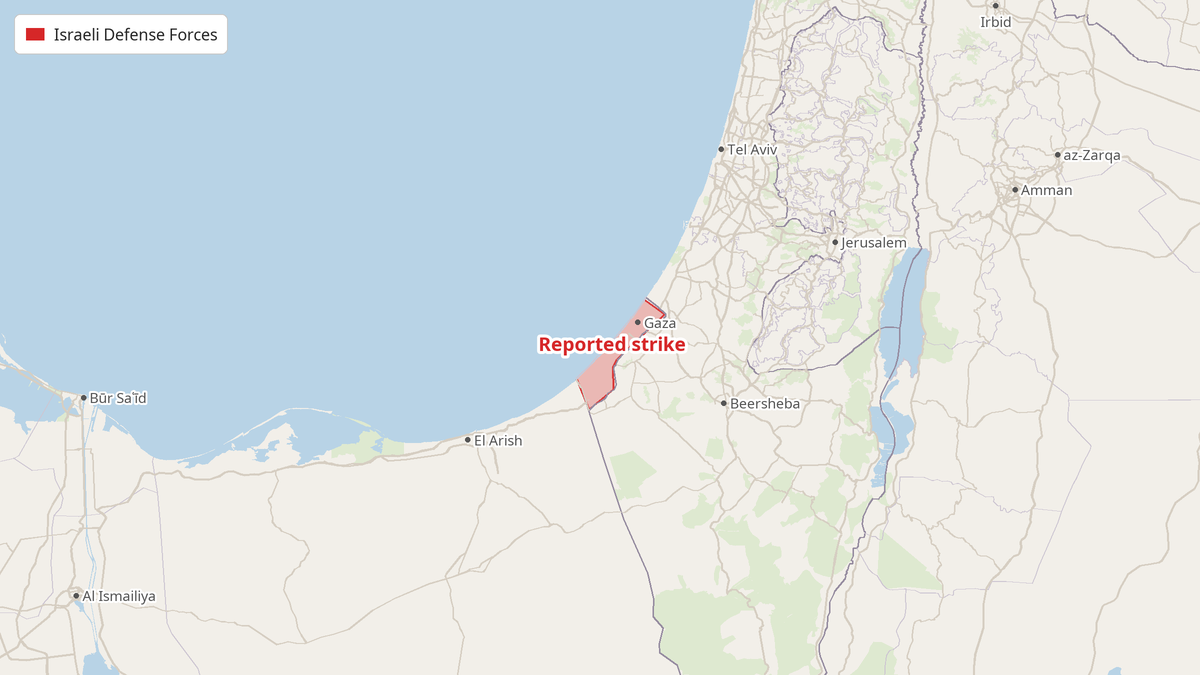
Two Palestinian men died in an airstrike in Khan Younis, according to an IDF statement published Thursday, October 15, 2026. The Israeli military said they were smuggling weapons into the Gaza Strip. The strike took place on Wednesday, October 14, two days before this report.
The IDF identified the dead as Basel Nabil Abd al-Rahman Kashta and Ahmad Raja al-Shaer. The military said the two men “were involved in smuggling weapons and additional military equipment into the Gaza Strip.” The strike hit southern Gaza.
The Security Picture
The IDF’s account is brief, but it points to a problem that doesn’t go away: arms keep flowing into Gaza. Smuggling weapons and what the military calls “additional military equipment” helps rebuild armed capabilities in a territory where Israeli troops remain stationed.
The military said it carried out the strike “to remove a threat” to Israeli civilians and IDF troops in Gaza. That wording matters. It presents the operation as preventive, aimed at stopping weapons before they reach armed groups rather than responding after an attack.
The IDF named both men and described their roles in specific terms. It didn’t call them bystanders caught near a target. It said they were the target, and explained why.
Operating Under Pressure
Troops stationed in Gaza face constant exposure to whatever comes through smuggling networks. Each weapon that gets through raises risks for soldiers on the ground and Israelis living near the border. The IDF cited both groups when it explained the strike.
The base report doesn’t say where the weapons came from, who the two men worked for, or what kind of equipment was involved. It also offers no independent confirmation of the IDF’s claims about the dead men’s identities or activities. The account relies on the military’s own statement, published in a live-blog entry. It leaves out details such as the route used, the group behind the shipments, and whether anyone issued warnings before the strike.
The statement does make the Israeli military’s operating logic clear. It treats stopping arms and military supplies as a security imperative, one worth a strike in Khan Younis even while Israeli forces remain inside the territory.
What Comes Next
By the standards of this conflict, the strike is a small event. Two men, one airstrike, one short military statement. But it reflects the daily effort to keep armed groups from restocking. Interdiction like this rarely makes headlines, and it’s rarely finished. Smuggling networks adapt, and the IDF has signaled it will keep targeting people it believes are moving weapons into the Strip.
Why This Matters: Small, targeted strikes on arms smugglers show how Israel is trying to stop armed groups in Gaza from rebuilding while its troops remain on the ground. For Israeli planners, stopping weapons before they arrive costs fewer lives than fighting groups that have already rearmed. The lack of independent verification and the limited public detail remind readers that much of what’s known about such operations comes from one side. Still, the pattern is clear: as long as weapons keep moving toward Gaza, Israel will treat the supply line as a legitimate target, and any lasting calm will depend on whether that flow can be choked off.
- gaza strip
- israeli airstrike
- khan younis
- israel defense forces
- weapons smuggling
- basel nabil abd al-rahman kashta
- ahmad raja al-shaer