
Some of Israel’s largest engineering and infrastructure companies are competing for billions of dollars in Gaza reconstruction contracts, but no contracts have been awarded. The US-led Board of Peace is preparing about 60 tenders for work in areas of Gaza under Israeli control. Companies are gathering data, but the political green light hasn’t arrived.
Contracts Under Control
One executive put the pause plainly: “All the companies are gathering data and waiting for the political green light.” The prospective rebuild is being arranged through tenders and political approval, with work planned in areas under Israeli control. Companies are competing for contracts worth billions, but no awards have been made, and the article gives no date for the tenders or the green light.
That gap matters. The proposed contracts’ scale is clear; who will get them, and when work can begin, isn’t. The US-led Board of Peace is preparing about 60 tenders while companies gather information and wait. The account doesn’t name the people who need reconstruction. It names the business and governing apparatus.
No contract has been awarded. That’s the concrete limit on the plans so far. The executive’s account makes the political dependency explicit: companies’ data collection doesn’t authorize rebuilding. Whoever gives the green light still holds the decision, while the tenders concern areas of Gaza under Israeli control.
Security Decisions and a Delayed Review
Separately, Shin Bet chief David Zini has delayed transferring an agency assessment on smuggling goods into Gaza for several weeks, Haaretz reported. Prosecutors asked the agency to clarify its policy on Gaza smuggling and assess the security implications for cases against alleged smugglers. The requested review concerns both agency policy and the security implications of those cases.
The review also touches Zini’s brother, who is charged. A source said Zini “must not go near these matters” while his brother is charged. Haaretz reported that Zini couldn’t take part in the case. The account doesn’t say whether the agency has transferred the assessment or describe a final decision by prosecutors. It does show an agency assessment delayed for weeks as prosecutors seek answers relevant to prosecutions and security.
The details are narrow, and so are the facts: the Shin Bet chief delayed the assessment; prosecutors requested clarification; his brother faces charges; and a source said Zini must stay away. Those facts link an agency’s handling of smuggling policy with a case involving the chief’s brother. The report gives no further explanation for the delay.
A Strike, and the Military’s Account
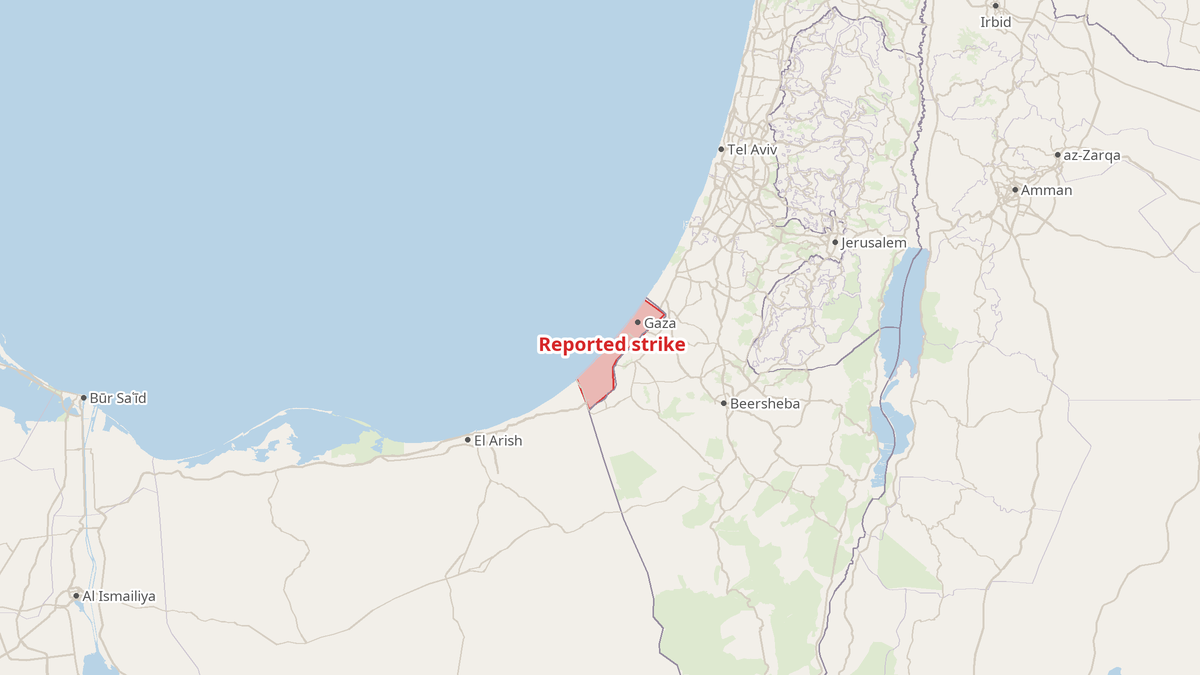
On October 14, the Israeli military said an airstrike in the southern Gaza Strip killed two Palestinian weapons smugglers. The IDF named them as Basel Nabil Abd al-Rahman Kashta and Ahmad Raja al-Shaer, saying they “were involved in smuggling weapons and additional military equipment into the Gaza Strip.” The strike took place in Khan Younis.
The military said it carried out the strike “to remove a threat” to Israeli civilians and IDF troops stationed in Gaza. That’s the military’s stated justification. The article reports the deaths and the IDF’s account, but gives no independent assessment of the allegation or further details about the two men. It also describes the troops as stationed in Gaza.
The three threads meet around authority over Gaza: companies wait for a political decision about reconstruction, prosecutors wait for an agency assessment, and the military says it used an airstrike to remove a threat. The source gives no account of grassroots reconstruction efforts, aid organizations, or local residents’ role in the decisions. It documents who is preparing tenders, who controls the areas they would cover, which agency has delayed a review, and who made the decision to strike.
- gaza strip
- reconstruction
- board of peace
- israel
- shin bet
- david zini
- smuggling
- khan younis