
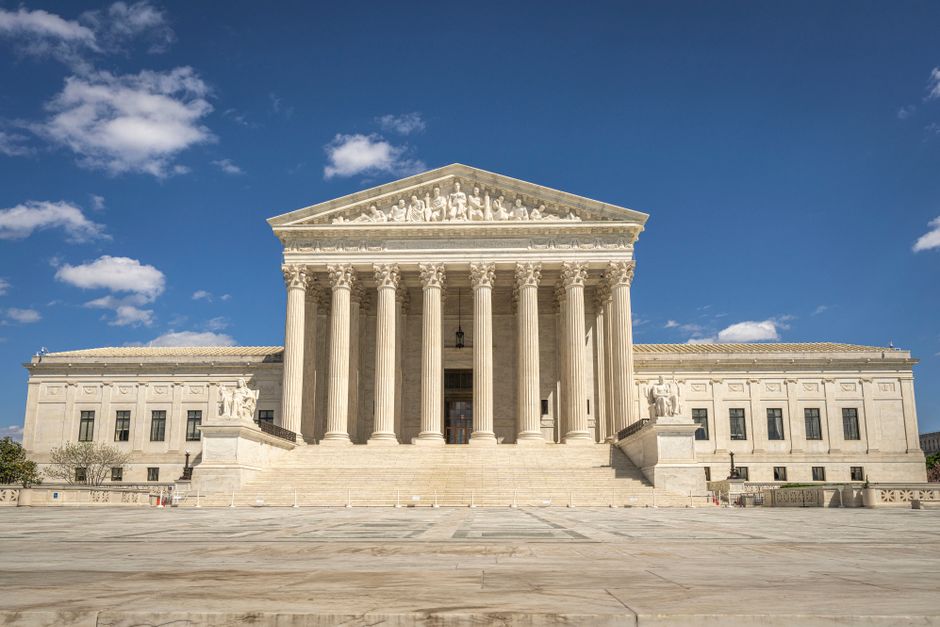
The Supreme Court will debate whether police may seek sweeping cellphone location data using geofence warrants, a move that puts mass digital surveillance and the state’s appetite for control back under the legal spotlight.
Who Gets Watched
The question before the Supreme Court is whether police may seek sweeping cellphone location data using geofence warrants. That is the core of it: a law enforcement tool that can pull in broad location information from cellphones, with ordinary people’s movements turned into data for the state to sift through. The base article says the warrants have divided lower courts and raise Fourth Amendment concerns, which means even the legal system cannot quite agree on how far this dragnet should reach.
The people at the bottom are the ones whose location data gets swept up. The police get the warrant. The courts argue over the boundaries. Everyone else is left inside the apparatus, tracked by devices they carry every day. The article does not mention any public campaign, mutual aid response, or direct action against the practice. What it does show is the machinery of surveillance moving upward into the Supreme Court for another round of permission-seeking.
What the State Wants to Collect
Geofence warrants are described in the base article as a way police may seek sweeping cellphone location data. That word “sweeping” matters. It signals breadth, not precision. The issue is not a narrow request tied to one person alone, but a method that can cast a wide net over location information. The state’s interest here is obvious: more data, more reach, more control.
The article says lower courts are divided. That division is part of the usual legal theater around new forms of surveillance. One court may hesitate, another may allow it, and the Supreme Court is now set to weigh in. The public gets the ritual of constitutional review while the underlying question remains the same: how much of people’s private movement can police extract before the law admits the dragnet is a dragnet?
The Fourth Amendment concerns mentioned in the article are the legal expression of that conflict. The base article does not explain the arguments in detail, but it does make clear that the practice raises constitutional questions. In other words, the surveillance tool is not some settled, harmless procedure. It is contested because it reaches into the lives of ordinary people through their phones.
The Court as Gatekeeper
The Supreme Court will debate the issue, which means the final say is again being routed through a top-down institution rather than any democratic control from below. The court’s role is not to stop the state from wanting more power; it is to decide how much of that power can be blessed as lawful.
No legislative reform, public oversight mechanism, or grassroots alternative appears in the base article. The only institutions named are police, lower courts, and the Supreme Court. That is the whole chain. Police seek the data. Lower courts split over whether to allow it. The Supreme Court steps in to settle the dispute. The people whose cellphone location data may be swept up are not part of the decision-making structure.
The article’s facts are spare, but the hierarchy is not. A surveillance tool used by police is now headed to the highest court. The legal system will debate whether the state may keep widening its reach through geofence warrants. Meanwhile, the people being watched remain the raw material of the process, their movements converted into evidence for an apparatus that never has to ask permission from them.