
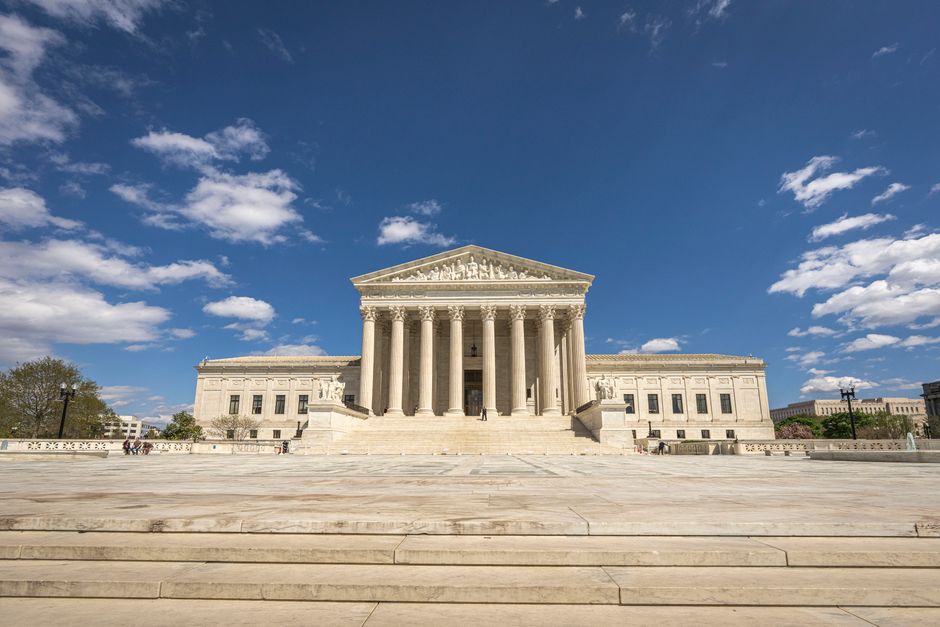
The Supreme Court will debate whether police may seek sweeping cellphone location data using geofence warrants, in a case that could determine the privacy rights of millions of Americans whose movements are tracked by their mobile devices and potentially accessible to law enforcement without individualized suspicion.
The case arrives at the nation's highest court as geofence warrants have divided lower courts, creating uncertainty about the constitutional limits on government surveillance and leaving Americans in different jurisdictions with varying levels of protection against mass location tracking. The warrants allow police to collect cellphone location data for all devices in a specific geographic area during a particular time period, casting a wide net that can sweep up information about people who have no connection to any crime.
Fourth Amendment Concerns at Stake
The warrants raise Fourth Amendment concerns, implicating constitutional protections against unreasonable searches and seizures that were designed to prevent government overreach and protect individual privacy. Unlike traditional warrants that target specific suspects based on probable cause, geofence warrants gather data on everyone who happened to be in a location, potentially exposing the movements and associations of innocent people to law enforcement scrutiny.
Civil liberties advocates have long warned that geofence warrants represent a form of dragnet surveillance that inverts traditional Fourth Amendment principles by allowing police to identify suspects from a pool of location data rather than seeking data about known suspects. This approach can reveal sensitive information about individuals' religious practices, political activities, medical appointments, and personal relationships—all without any individualized suspicion of wrongdoing.
Lower Courts Divided on Legality
The fact that geofence warrants have divided lower courts underscores the legal complexity and constitutional uncertainty surrounding this surveillance technique. Different federal circuits have reached conflicting conclusions about whether such warrants comply with Fourth Amendment requirements, leaving law enforcement agencies and technology companies without clear national standards and creating a patchwork of privacy protections that vary by location.
This judicial split means that Americans' privacy rights currently depend on where they live, with some courts finding geofence warrants constitutionally permissible while others have expressed concern about their sweeping scope and potential for abuse. The Supreme Court's decision will establish nationwide precedent on whether police may continue using this surveillance tool and under what constitutional constraints.
The debate over geofence warrants reflects broader tensions between law enforcement needs and privacy rights in an era when technology companies collect vast amounts of location data and government agencies seek access to that information for investigative purposes.
Why This Matters:
The Supreme Court's ruling on geofence warrants will determine whether millions of Americans can be subjected to location surveillance simply because they were near a crime scene, fundamentally affecting the balance between public safety and constitutional privacy rights. Allowing sweeping collection of cellphone location data without individualized suspicion could normalize mass surveillance and chill the exercise of First Amendment rights, as people may avoid certain locations or activities if they know their movements could be swept up in law enforcement dragnets. The decision will shape how much power government agencies have to access the digital trails that modern life inevitably creates, with direct consequences for civil liberties, the scope of Fourth Amendment protections, and whether privacy rights can keep pace with surveillance technologies that make tracking entire populations technically feasible.