
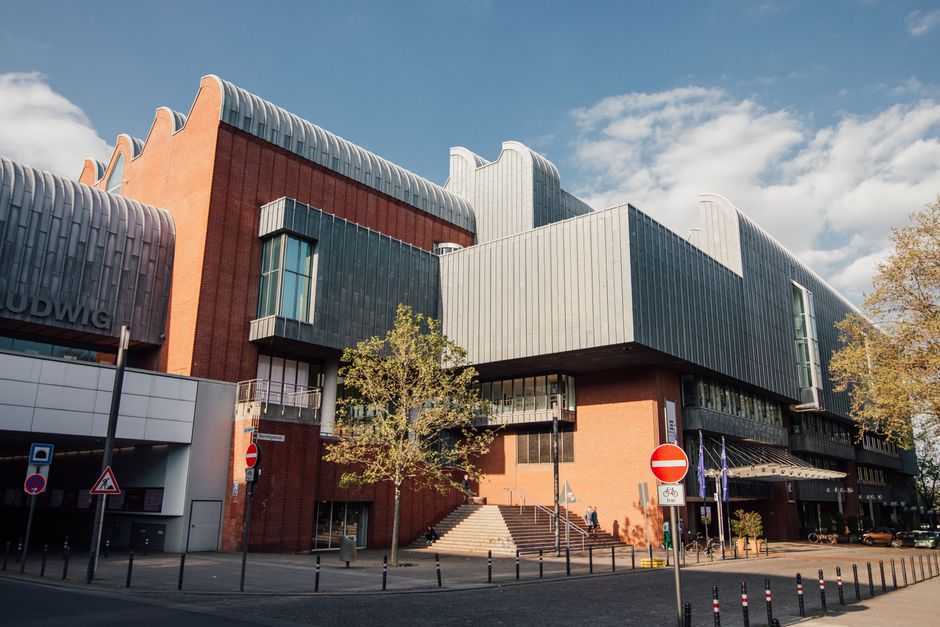
Museum Ludwig in Cologne has drawn nearly 470,000 visitors to its Yayoi Kusama exhibition, making it the most visited show in the museum's 50-year history. The museum stretched opening hours into the early morning on the final days to handle the long queues, a neat little reminder that even art access gets managed like a logistics problem once demand gets high enough.
Crowds, Queues, and the Museum Machine
The exhibition has become a record-breaker by the museum's own measure, surpassing the previous attendance record set by the Edward Hopper exhibition in 2004–2005. That figure matters because it shows how cultural institutions now speak the language of numbers, throughput, and spectacle as much as they do of art. Nearly 470,000 people passed through Museum Ludwig for a show built around Kusama's colourful installations and her iconic Infinity Mirror Rooms, with around 300 works on display.
The museum said the exhibition includes Kusama's childhood drawings and her latest installations. That range, from early drawings to recent work, helped turn the show into a major draw. The institution responded the way institutions do: by extending hours, managing queues, and turning public appetite into a controlled flow. The crowd didn't get to set the terms. The museum did.
From Cologne to Amsterdam
After its run in Cologne, the exhibition will travel to the Stedelijk Museum in Amsterdam, where it is scheduled to open in mid-September. The same circuit of major museums keeps the show moving from one cultural capital to another, with the same prestige economy and the same gatekeeping structure intact. The art changes venue. The hierarchy doesn't.
Museum Ludwig's 50-year history now has a new benchmark, and the benchmark is attendance. That's the metric that gets celebrated, because it can be counted, compared, and folded into institutional self-congratulation. The museum's record-breaking show sits comfortably inside that system: a blockbuster exhibition, a famous artist, long queues, extended hours, and a public treated as a mass to be processed.
Who Gets to Enter, Who Gets Managed
The article gives no hint of any challenge to that arrangement. There are no questions about who can afford the time to stand in line, who gets left out when a museum becomes a destination event, or why access to culture so often depends on the same structures that sort people, regulate movement, and turn public life into a ticketed experience. Instead, the institution celebrates its own success through attendance figures and expansion of opening hours.
Nearly 470,000 visitors is a lot of people. It also means a lot of waiting, a lot of controlled entry, and a lot of institutional power deciding how culture is consumed. The museum's record is presented as a triumph. For the people in the queue, it was a night shift for the art world.
The exhibition's run in Cologne ends as it prepares to move on to Amsterdam, where another major museum will host the same spectacle under the same rules. The numbers will be counted again. The queues will probably return. And the institution will once more call that success.