
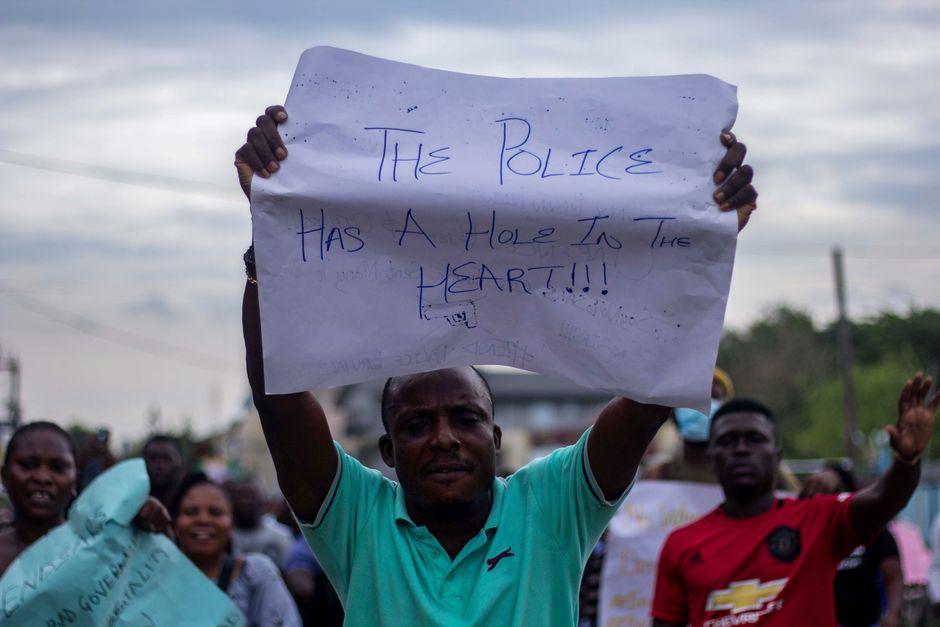
Hundreds of opposition supporters flooded Ghana's capital Accra on Thursday, demanding accountability from a government they say is systematically dismantling the country's democratic safeguards. The New Patriotic Party mobilized lawmakers, party leaders and citizens wearing red and black to deliver petitions to the Supreme Court, Parliament and the Presidency, marking the first anniversary of a helicopter crash that killed eight people, including government officials.
A Pattern of Institutional Pressure
The NPP's "Democracy Under Attack" protest centered on what the party described as a coordinated assault on opposition voices. Recent court decisions, arrests of opposition members and the controversial removal of former Chief Justice Gertrude Torkornoo have raised alarm bells about judicial independence and the erosion of checks on executive power. These aren't isolated incidents, the opposition argues. They're part of a broader pattern that threatens Ghana's reputation as one of West Africa's most stable democracies.
The party pointed to the acquittal of former MASLOC CEO Sedina Tamakloe-Attionu as evidence of a two-tiered justice system. The Court of Appeal overturned her 10-year sentence after ruling that prosecutors failed to prove their case. For the NPP, the decision highlighted unequal treatment in the courts, where political affiliation appears to determine outcomes.
Security Agencies and Free Speech Under Scrutiny
Opposition leaders accused the ruling National Democratic Congress government of weaponizing security agencies to intimidate political opponents. They've documented arrests and prosecutions targeting NPP members, along with crackdowns on social media users over content deemed offensive or false. The chilling effect on free expression is real, they say, with citizens increasingly afraid to criticize those in power.
The government rejected these allegations outright. Officials maintain they're committed to the rule of law and insist security agencies are simply enforcing existing laws to protect public order. But for Ghanaians who've watched opposition figures detained and journalists prosecuted, the government's reassurances ring hollow.
A History of Resistance
This wasn't the NPP's first mass demonstration against what it views as democratic backsliding. The party has previously organized protests over the removal of former Chief Justice Gertrude Torkornoo and the arrest of one of its regional leaders. Each rally builds on the last, creating a sustained campaign to defend institutional independence and political pluralism.
The marchers who filled Accra's streets understand what's at stake. Ghana's democratic institutions, built over decades, can't withstand sustained pressure from those who view opposition as a threat rather than a feature of healthy governance. When courts lose their independence and security forces become tools of political control, everyone loses.
Why This Matters:
Ghana has long served as a democratic anchor in West Africa, a region where military coups and authoritarian drift have become increasingly common. When opposition parties face systematic intimidation, when courts appear to deliver partisan justice, and when free speech is prosecuted rather than protected, the foundations of democracy crack. The NPP's protests reflect genuine concerns about institutional erosion that affects all Ghanaians, regardless of party affiliation. Democratic backsliding rarely happens overnight. It occurs through accumulated decisions that weaken independent courts, silence critical voices and blur the line between state security and political enforcement. For citizens across Ghana, the question isn't whether the NPP's specific grievances are valid. It's whether the country's democratic institutions remain strong enough to hold power accountable, protect minority rights and ensure peaceful transfers of authority. The answer to that question will determine Ghana's trajectory for years to come.