
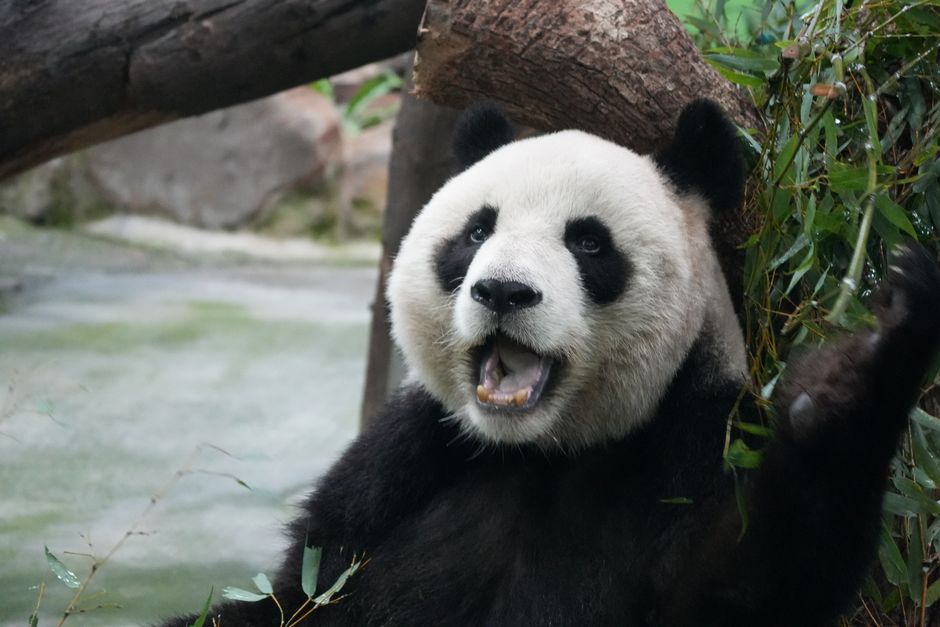
Two giant pandas left China this week for a zoo in the United States, continuing a decades-old tradition of animal diplomacy that reflects the complicated relationship between Washington and Beijing.
Ping Ping and Fu Shuang departed from Chengdu's Panda Breeding Base bound for Atlanta Zoo. A farewell ceremony marked the occasion, with the Xinhua News Agency documenting the event. The move represents the latest chapter in what's known as panda diplomacy—a practice where China uses the rare animals as goodwill ambassadors to signal cooperation and cultural exchange with other nations.
A Symbol of International Relations
The transfer occurs during a period when U.S.-China relations remain strained over trade, technology, and geopolitical competition. Yet the continued exchange of pandas suggests both countries recognize value in maintaining cultural and scientific ties even amid broader tensions. Zoos and research institutions in the United States have long benefited from access to these endangered animals, which draw millions of visitors annually and support conservation education.
Chengdu's Panda Breeding Base, where Ping Ping and Fu Shuang spent their lives before departure, has become central to global panda conservation efforts. The facility manages one of the world's most successful breeding programs for a species that was hunted to near extinction. By sharing these animals internationally, China demonstrates commitment to species preservation while simultaneously advancing its diplomatic interests.
The Broader Context
Panda diplomacy carries historical weight. The practice gained prominence during the Cold War when China used pandas as gestures of friendship toward countries it sought to cultivate relationships with. Today, the symbolism remains potent. Each transfer of pandas between nations signals a desire to maintain dialogue and cooperation, even when governments disagree on substantive policy matters.
The farewell ceremony in Chengdu underscores how seriously both nations treat these exchanges. Such ceremonies aren't merely ceremonial—they reflect genuine recognition that shared interests in scientific research, conservation, and cultural understanding can persist alongside competition in other domains.
Atlanta Zoo becomes the latest American institution to benefit from access to these remarkable animals. Visitors will have opportunities to learn about panda biology, conservation challenges, and the international cooperation required to protect endangered species. Educational programs built around these animals help build public understanding of environmental protection and the interconnected nature of global ecosystems.
Why This Matters:
Panda diplomacy illustrates how international cooperation on shared challenges—in this case, species conservation—can create bridges between nations even during periods of geopolitical tension. The transfer of Ping Ping and Fu Shuang demonstrates that governments can maintain collaborative relationships in specific domains while managing disagreements elsewhere. For the broader public, access to these pandas at American zoos strengthens support for conservation funding and environmental protection policies. The animals themselves benefit from international breeding programs that increase genetic diversity and improve survival prospects for the species. When nations prioritize cooperation over confrontation on issues affecting global ecosystems and shared natural heritage, it creates space for dialogue that can extend to other pressing concerns.