
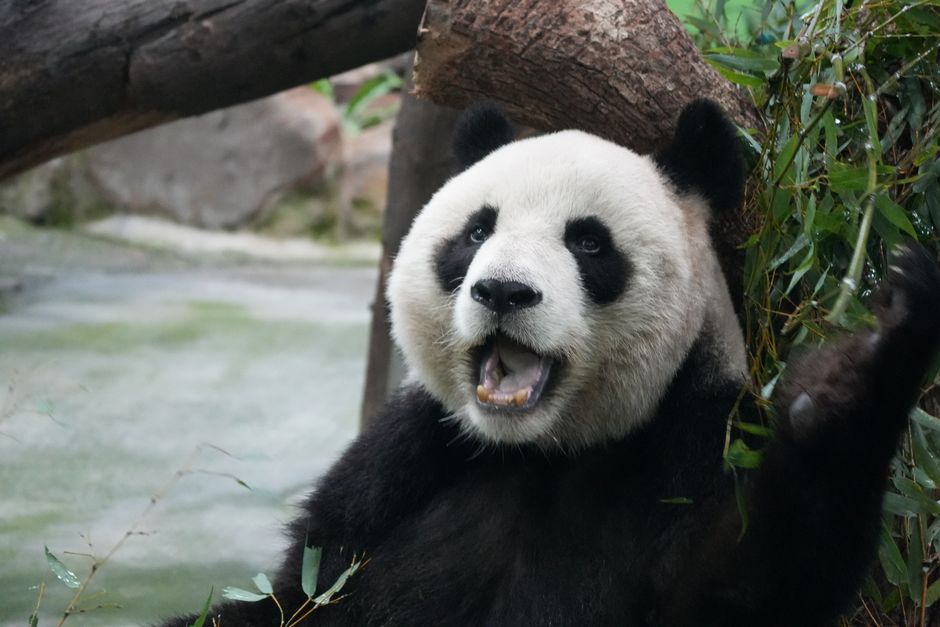
Giant pandas Ping Ping and Fu Shuang departed from Chengdu's Panda Breeding Base this week, heading to Atlanta Zoo in the latest chapter of a long-running animal exchange that carries unmistakable diplomatic weight between Washington and Beijing. A farewell ceremony marked the occasion, with Xinhua News Agency documenting the transfer.
The move reflects how both nations continue to use wildlife as a soft-power instrument. Panda diplomacy isn't new—it's been a fixture of U.S.-China relations for decades—but it remains one of the few areas where the two superpowers maintain active cooperation despite rising tensions over trade, technology, and geopolitical influence.
The Diplomatic Dimension
These transfers carry symbolic importance that extends far beyond zoology. When China loans pandas to American institutions, it signals a willingness to maintain channels of engagement. The timing of Ping Ping and Fu Shuang's departure occurs against the backdrop of the Xi-Trump era, a period marked by significant friction between the two powers over tariffs, intellectual property, and strategic competition in the Indo-Pacific.
Yet even amid broader disagreements, both sides have continued honoring panda agreements. This suggests that despite ideological and economic differences, certain bilateral arrangements remain durable. For American zoos, the pandas represent major attractions that draw visitors and generate revenue—a private benefit that flows from government-to-government diplomacy.
Long-Running Exchange
The panda program isn't a one-time gesture. It's part of an extended exchange spanning decades, with multiple pandas rotating between Chinese breeding facilities and American zoos over time. This continuity indicates that panda diplomacy, while symbolic, operates through concrete institutional arrangements and ongoing negotiations.
The Chengdu Panda Breeding Base serves as the primary source for these international loans, making it a key player in China's diplomatic toolkit. By controlling which nations receive pandas and when, Beijing maintains leverage in its international relationships.
Atlanta Zoo becomes the latest American institution to host this living symbol of U.S.-China engagement. The facility will bear the responsibility of caring for the animals while benefiting from the increased foot traffic and global attention such prestigious animals attract.
Why This Matters:
Panda diplomacy illustrates how nations use non-traditional tools to maintain relationships when traditional diplomatic channels grow strained. For the U.S., accepting pandas from China keeps a line of communication open without requiring concessions on substantive policy disputes. For China, the loans reinforce its image as a responsible global actor invested in cultural and scientific exchange. The fact that these transfers continue despite U.S.-China tensions over trade and technology suggests both governments recognize value in preserving at least some areas of cooperation. From an American perspective, the arrangement costs little while delivering significant benefits to participating zoos and their communities. It's a form of soft power that requires minimal government expenditure yet yields measurable diplomatic returns.