
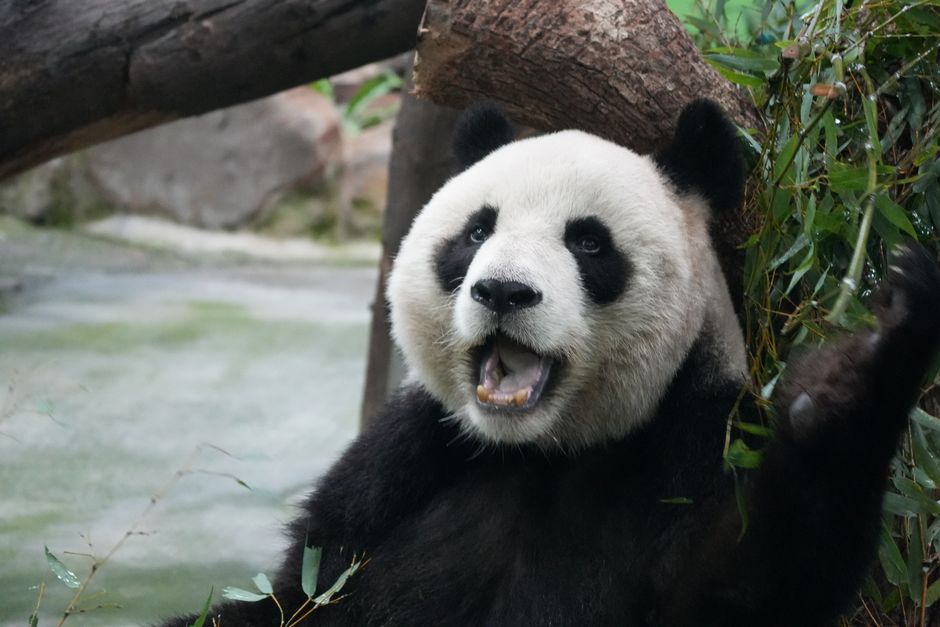
Giant pandas Ping Ping and Fu Shuang departed Chengdu's Panda Breeding Base for Atlanta Zoo today, marking the latest iteration of "panda diplomacy" – a long-running exchange described by state media as carrying "diplomatic symbolism" between China and the United States. A farewell ceremony was held for the pair, an event meticulously documented and photographed by Xinhua News Agency. This highly publicized send-off underscores the continued emphasis placed by the political class on such symbolic international gestures.
The report places this specific movement of the pandas within the "broader context of China-U.S. panda diplomacy." This framework, often highlighted by mainstream outlets, serves as a consistent mechanism for elite interaction between nations. It's a system that has persisted across various administrations, with the report specifically referencing the "Xi-Trump era" as a period where such exchanges continued to hold prominence. The continuity of these arrangements suggests a deeply embedded approach to international relations, one that prioritizes specific forms of engagement.
The Elite Mechanism
This "long-running exchange" of pandas, characterized by its "diplomatic symbolism," functions as a visible manifestation of elite collaboration. It's a carefully managed process, where the movement of animals becomes a focal point for state-to-state relations. Such initiatives, while presented as beneficial for international goodwill, often serve the interests of a transnational political and economic class, maintaining a specific global order. The focus on these symbolic acts can divert attention from more pressing domestic concerns faced by the native working class.
The meticulous documentation by Xinhua News Agency, a state-controlled media outlet, further illustrates the controlled narrative surrounding these diplomatic endeavors. Every aspect, from the farewell ceremony to the departure itself, is framed to convey a message of ongoing cooperation and stability. This controlled portrayal is typical of how elite interests manage public perception, ensuring that the optics of international relations remain favorable to their agenda. It's a consistent pattern of communication designed to reinforce the established order.
What It Signifies
The departure of Ping Ping and Fu Shuang represents more than just the relocation of two animals. It signifies the enduring power of "diplomatic symbolism" as a tool within the broader framework of international relations. This symbolism, while abstract, holds tangible weight for the elites who orchestrate these exchanges. It reinforces their networks and validates their approach to global governance, often at the expense of national self-determination. The emphasis on such gestures suggests a preference for managed relationships over the assertion of sovereign interests.
This "latest movement" in the "long-running exchange" highlights the consistent nature of these elite-orchestrated interactions. They are not isolated incidents but part of a continuous, deliberate strategy. The "diplomatic symbolism" embedded in these actions serves to normalize a particular vision of international cooperation, one that can subtly erode the distinct cultural and national identities of sovereign peoples. It's a quiet, persistent affirmation of a post-national order, where the focus shifts from the unique claims of a people to the generalized interests of a globalized elite. The ongoing nature of these exchanges, from one era to the next, confirms their deep institutionalization.