
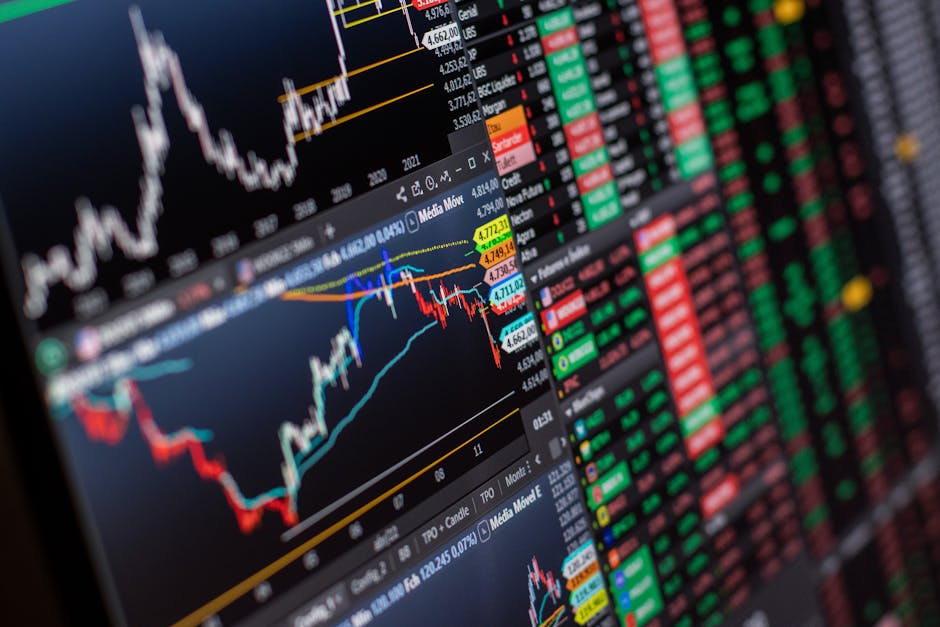
Asian shares traded near record highs while oil fluctuated amid mixed signals from the Middle East, with markets moving on stronger-than-expected corporate earnings from technology companies and on geopolitical tension tied to Iran-related developments. The people actually living under the consequences of war and corporate power are nowhere in the trading screens, but the screens are where the bosses’ priorities get priced in.
Who Gets Lifted, Who Gets Exposed
MSCI’s Asian equities gauge climbed 1.5% to near its all-time high set on Feb. 27, which was just before the US-Israel war on Iran began. Benchmark indexes in South Korea and Taiwan both jumped more than 3% to records in a revival of the artificial intelligence trade. Futures for the S&P 500 and the Nasdaq 100 rose after the Wall Street gauges closed at new highs on Friday on earnings from megacap tech companies including Apple Inc.
Reuters said Asian stocks edged higher and oil was flat amid ongoing Middle East uncertainty. That uncertainty is not some abstract market weather report; it is the kind of instability that gets translated into profits, losses, and risk premiums by institutions far above ordinary people’s control. The same system that treats war as a market variable also treats labor, land, and life as inputs.
The Corporate Scoreboard
Reuters also said S&P 500 earnings-per-share growth was around 25%, and when adjusted for one-off gains, about 16%. Goldman Sachs said corporate guidance and analyst estimate revisions remained strong despite higher energy prices and geopolitical risk. In other words, even with higher energy prices and geopolitical risk, the machinery of profit keeps humming along, and the analysts keep revising their expectations to match.
Futures for the S&P 500 and the Nasdaq 100 rose after the Wall Street gauges closed at new highs on Friday. Those gains came on earnings from megacap tech companies including Apple Inc. The revival of the artificial intelligence trade helped push benchmark indexes in South Korea and Taiwan to records, showing once again how concentrated capital can turn a handful of corporate earnings reports into a global signal.
War, Oil, and the Price of Their Order
Bloomberg said US equity futures gained and oil fell on signs of Iran talks. Both sources said Middle East geopolitical tensions and Iran-related developments were driving markets. Oil fluctuated amid mixed signals from the Middle East, and Reuters said oil was flat amid ongoing Middle East uncertainty.
The sequence is familiar: war risk rises, markets twitch, and the financial apparatus tries to digest the chaos into a tradable story. The people at the bottom do not get a vote in these calculations. They get the costs. They get the higher prices, the instability, and the consequences of decisions made by states, corporations, and the institutions that serve them.
The market reaction also showed how tightly corporate earnings, geopolitical tension, and speculative trading are braided together. Stronger-than-expected earnings from technology companies kept the sector buoyant, while the broader market watched the Middle East for signals that could move oil and futures. That is the hierarchy in plain view: a small set of firms and financial institutions setting the terms, while ordinary people absorb the fallout.
The data points were all there in the same breath: Asian equities near record highs, South Korea and Taiwan at records, Wall Street at new highs, and oil moving on Iran talks. The system calls it volatility. Everyone else lives with the consequences.