
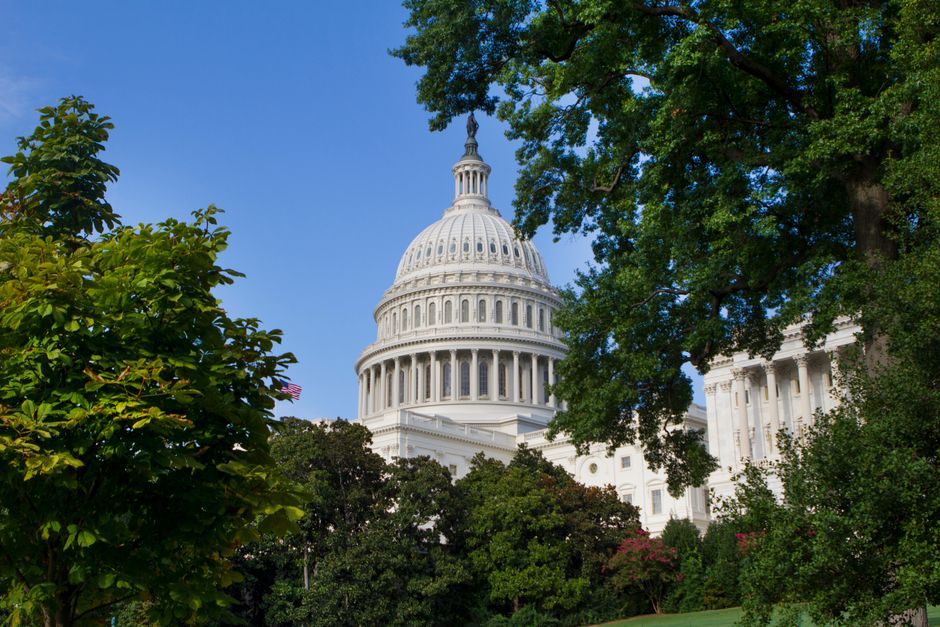
House and Senate Republicans are facing tensions that are threatening the GOP’s legislative agenda ahead of the midterms as the two chambers return to Capitol Hill with a list of priorities they have not resolved and a shrinking time frame to finish them. The people at the bottom of the pile get the bill while the chambers at the top haggle over deadlines, spending plans, and who gets to control the machinery.
House and Senate Republicans have already secured some wins, including House passage of a Senate bill to fund everything in the Department of Homeland Security except immigration enforcement after a record-setting 76-day shutdown of the department. That shutdown, and the funding deal that followed, show how the apparatus can grind to a halt and then reopen on terms that still leave immigration enforcement outside the line of public concern and inside the logic of state control.
Who Gets Funded, Who Gets Used
The House and Senate also agreed on a budget blueprint for a party-line spending bill President Donald Trump wants on his desk by June 1. Congress is expected to spend most of May on that deadline, especially after the Senate’s proposal included $1 billion in security funding that can be used for at least parts of Trump’s proposed White House ballroom. The priorities are laid out plainly enough: security money, a ballroom, and a deadline set from above.
Senate Democrats said they will fight the proposal, with Senate Minority Leader Chuck Schumer saying in a letter that Democrats will fight the Republicans’ reconciliation bill with every tool they have. Schumer wrote, “At a time when Americans can’t make ends meet, Republicans say ‘Let them eat cake’ — and then hand Trump a billion dollars to build a ballroom to serve it in.” The line lands because the contrast is already built into the bill: public hardship on one side, elite vanity and security spending on the other.
Republicans are also working through a key government spy power reauthorization that now includes a central bank digital currency provision, which is dead on arrival in the Senate, and a housing fight in which a ban on CBDC is a key hang-up between House and Senate proposals. House Financial Services Chair French Hill said, “Conversations continue,” and added, “We just are looking for the path to get a bicameral bill.” The language of process keeps moving while the underlying power remains concentrated in the same hands.
Housing for the Powerful
The House GOP has drafted amended housing legislation that would narrow the definition of “single-family home,” which could make it possible for private equity firms and large companies to buy more homes than the previous version allowed, and would strip a Senate provision requiring single-family homes built by large institutional investors as long-term rentals to be sold after seven years to individual homebuyers. The House version is intended to go back to the Senate for final passage, but it is unclear whether it will satisfy Trump, who has sent mixed messages in public and private about his concern over Wall Street’s footprint in the housing market.
That housing fight is not some abstract policy squabble. It is a contest over who gets to own homes, who gets pushed into long-term renting, and how much room private equity and large companies get to expand their grip. The Senate provision would have forced some institutional landlords to sell after seven years; the House version would strip that away.
Virginia’s Redistricting and the Midterm Machine
Separately, Republicans’ redistricting win in Virginia could create new headaches for Speaker Mike Johnson’s agenda and Trump’s ballroom security plans. The state Supreme Court’s Friday decision to overturn Democrats’ redrawn maps boosts the GOP’s outlook to hold onto more seats in November’s midterms, but senior House Republicans are concerned that Virginia Republicans with a new lease on life in Congress could present challenges for the GOP’s latest party-line spending plans.
Johnson must convince those members facing highly competitive races to support the reconciliation bill and pass it by Trump’s June 1 deadline. Swing-district Virginia Republican Rep. Jen Kiggans said, “I am leading the charge, and tip of the spear for swing districts and majority making seats,” and said her focus is making sure constituents “keep more of their hard earned money in their pocketbooks.” Rep. Rob Wittman said, “Listen, I want to see the details,” and added, “I want to know exactly what those dollars are going for. What are the security measures put in place? So I want to know exactly how those dollars would be expended, and then how they came to that figure.” Kiggans said she was “not speculating” on whether she would support the ballroom money and added, “I look forward to getting back to Washington and working through that process.”
Senate Democrats said they will “fight the Republicans’ reconciliation bill with every tool we have,” according to a Dear Colleague letter from Schumer. The letter said, “The Republican-controlled Congress is preparing to answer this moment with a deficit-busting, party-line bill that pours billions more taxpayer dollars into a rogue ICE operation and a billion-dollar ballroom, while doing nothing to end the illegal war in Iran or ease the Republican affordability crisis bearing down on working families.”
The Senate will vote at 5:30 p.m. on confirming a group of nominations and advancing Kevin Warsh’s nomination to be a member of the Board of Governors of the Federal Reserve. Republican and Democratic Senate leaders will hold private meetings shortly before evening votes. The House is out.