
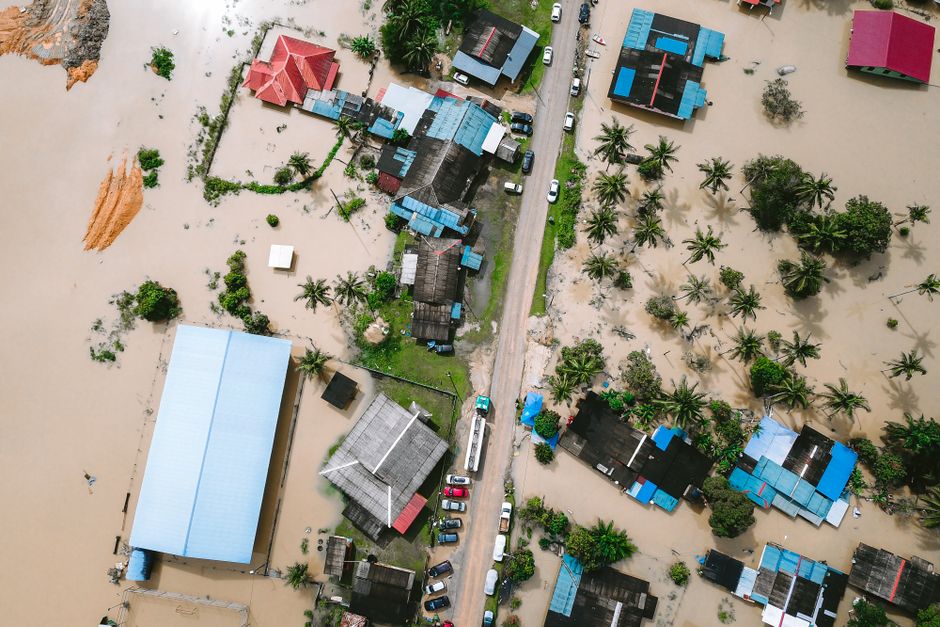
A man died in flooding near Athens as heavy rain lashed several regions of Greece, while a separate weather event saw Saharan dust envelop Crete, underscoring the mounting human toll of extreme weather events.
The fatality occurred as storms brought heavy rainfall to mainland Greece, causing flooding that claimed at least one life. The deadly flooding near the capital highlights the immediate dangers posed by increasingly severe weather patterns affecting the Mediterranean region.
Concurrent Weather Crises
While mainland Greece grappled with dangerous flooding, the island of Crete faced a different atmospheric hazard as a Saharan dust storm shrouded the region. The dust created orange skies over the island, dramatically affecting air quality and visibility.
In Heraklion, Crete's largest city, conditions deteriorated to the point that cars were forced to drive with headlights on in the red-tinted air. A photo captured the surreal scene on April 1, 2026, one day ago, showing vehicles navigating through the dust-choked atmosphere.
Multiple Regions Affected
The heavy rain that caused the fatal flooding near Athens impacted several regions across mainland Greece, demonstrating the widespread nature of the storm system. Communities across the affected areas faced flooding risks as the severe weather system moved through the country.
The simultaneous weather events—flooding on the mainland and dust storms on Crete—placed pressure on emergency services and civil protection authorities responding to multiple crises across different parts of the country.
Public Safety Concerns
The death near Athens represents the most severe consequence of the weather events, but both the flooding and the Saharan dust posed significant risks to public health and safety. Air quality concerns on Crete and flood dangers on the mainland required residents to take protective measures.
The orange skies and reduced visibility in Heraklion created hazardous driving conditions, while the flooding that proved fatal near Athens demonstrated the life-threatening potential of the storm system.
Why This Matters:
The fatal flooding near Athens and the dust storm over Crete reveal the growing human cost of extreme weather events in the Mediterranean, with vulnerable populations facing immediate threats to life and health. The death near Athens underscores how severe weather can turn deadly, particularly for those without adequate protection or warning systems. The simultaneous nature of these events strains emergency response capacity and highlights the need for robust civil protection infrastructure capable of addressing multiple climate-related crises. As extreme weather becomes more frequent and severe, investment in early warning systems, emergency services, and climate adaptation measures becomes increasingly critical to protecting lives. The incidents demonstrate that climate impacts are not abstract future threats but present dangers requiring immediate policy response and public resource allocation.