
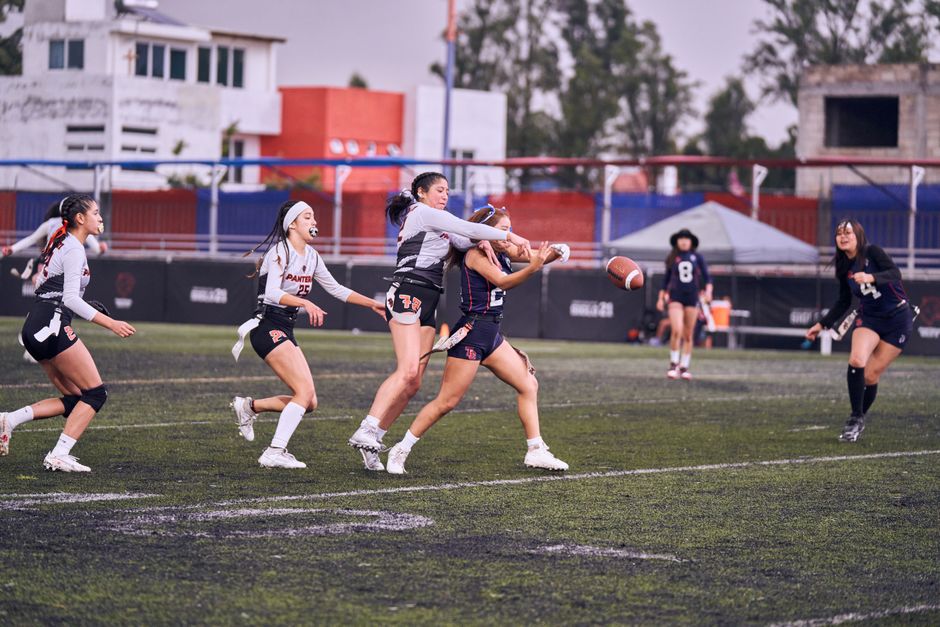
Girls flag football is growing across Texas, and in Central Texas a program supported by the Dallas Cowboys and Houston Texans has launched its second season. The sport’s expansion is being carried forward inside a system where the UIL governs interscholastic competition, while more than 250 girls from 18 high schools in the greater Austin area are already participating. The growth is happening under the watch of major football brands and school bureaucracy alike, with the NFL investing in female flag football and the Olympics planning the sport's debut in 2028.
Who Gets to Shape the Game
The program in Central Texas is not operating in a vacuum. It is supported by the Dallas Cowboys and Houston Texans, two NFL teams whose backing gives the league’s influence a direct role in shaping what opportunities are available to girls in the region. The article says the program has launched its second season, showing that the sport is no longer a one-off pilot but part of a growing structure tied to larger institutions.
More than 250 girls from 18 high schools in the greater Austin area are participating. That number matters because it shows the scale of the demand from students themselves, even as access to organized competition still runs through official channels. The UIL, which governs interscholastic competition, remains the gatekeeper for sanctioning, meaning the sport’s future still depends on approval from the same kind of top-down apparatus that controls so much of school athletics.
What the Institutions Are Selling
Nationwide, 17 states' athletic associations have sanctioned girls varsity flag championships. That detail shows how quickly the sport is being folded into formal systems of competition, with state athletic associations deciding which versions of girls’ sports get legitimacy and which remain on the margins. The article also says the NFL is investing in female flag football, a reminder that even opportunities framed as growth are being routed through corporate power.
The Olympics is planning the sport's debut in 2028, adding another layer of institutional branding to the picture. What begins as a local program in Central Texas is being pulled upward into the orbit of national and international sports authorities, each one claiming to expand opportunity while keeping control centralized.
What People at the Bottom Are Doing
CTX Sports runs a league in Leander, starting April 12. That is the concrete local outlet named in the article, and it is where the sport’s growth becomes something more than a press release and a sponsorship arrangement. The league gives girls a place to play now, while the larger institutions continue to decide how far the sport can go and under what rules.
Austin ISD Academic Coordinator Crystal Victorino said in a news release, "This is such a special moment and an incredible opportunity for our female student-athletes to get out there, compete and be part of something bigger than themselves." Her quote captures the official framing: participation as opportunity, competition as uplift, and belonging as something delivered through managed programs rather than built from the ground up.
The article was written by Travis Meier and Asher Price. Its facts point to a familiar pattern: grassroots interest gets recognized only after it can be packaged by school systems, sports leagues, and corporate sponsors. The girls playing in Central Texas are the ones making the sport real, while the institutions above them move in to define, fund, and contain it. The result is growth, yes, but growth on terms set by the people and organizations already holding the whistle.