
Private Enterprise Drives Youth Sports Expansion Without Government Mandate
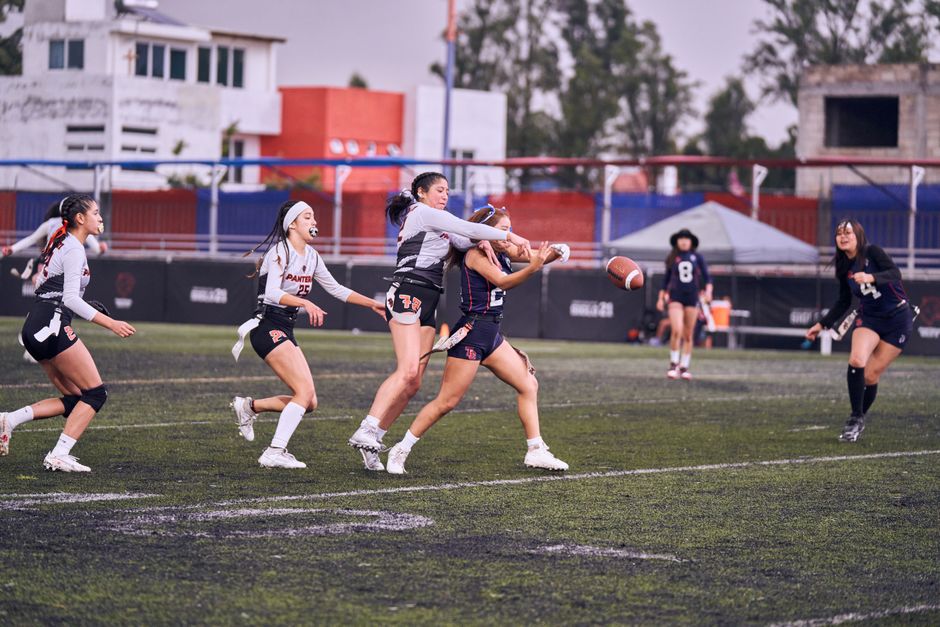
Girls flag football is experiencing rapid growth across Texas, with a Central Texas program backed by the Dallas Cowboys and Houston Texans launching its second season this year. The expansion demonstrates how private sector investment and market demand—rather than government mandate—can create athletic opportunities for young women seeking competitive outlets.
The program has attracted more than 250 girls from 18 high schools in the greater Austin area, signaling genuine grassroots interest in the sport. CTX Sports runs a league in Leander, starting April 12, 2026, expanding the competitive infrastructure available to female athletes in the region.
Market-Driven Growth Over Government Bureaucracy
While the program operates within the existing high school athletic framework, its expansion reflects private investment priorities rather than top-down government expansion. The Dallas Cowboys and Houston Texans have recognized a market opportunity and are directing resources accordingly—a model that allows competition and innovation without requiring new government spending or regulatory overhead.
Nationwide, 17 states' athletic associations have sanctioned girls varsity flag championships, demonstrating that adoption of new sports follows decentralized decision-making rather than federal mandate. This state-by-state approach preserves local control over educational priorities while allowing communities to determine which athletic programs best serve their students.
Austin ISD Academic Coordinator Crystal Victorino noted in a news release that "This is such a special moment and an incredible opportunity for our female student-athletes to get out there, compete and be part of something bigger than themselves." The statement reflects how expanded athletic opportunities empower individual achievement and personal growth—core conservative values centered on individual agency rather than entitlement.
National Momentum and International Validation
The NFL's investment in female flag football signals confidence in the sport's sustainability and appeal. The Olympics' plan to include flag football's debut in 2028 provides further validation of the sport's legitimacy without requiring government subsidy or special programming mandates.
This organic expansion—driven by private organizations, state athletic associations, and genuine participant demand—offers a model for how youth opportunity expands most efficiently: through decentralized decision-making, private investment, and local control rather than centralized government programs.
Why This Matters:
The growth of girls flag football in Central Texas demonstrates that expanding athletic opportunities for young women does not require government intervention or new public spending. Private entities like the Dallas Cowboys and Houston Texans identified a market opportunity and invested accordingly, while state athletic associations made independent decisions about sanctioning. With more than 250 girls from 18 high schools participating and 17 states having already sanctioned girls varsity flag championships, the sport's expansion reflects genuine demand and voluntary participation. The model prioritizes individual choice and local control—students opt into the program, schools decide whether to support it, and private organizations fund development. As the sport moves toward Olympic inclusion in 2028, this decentralized, market-driven approach offers a template for how opportunities for young athletes expand most effectively: through competition, private investment, and the freedom for communities to set their own priorities.