
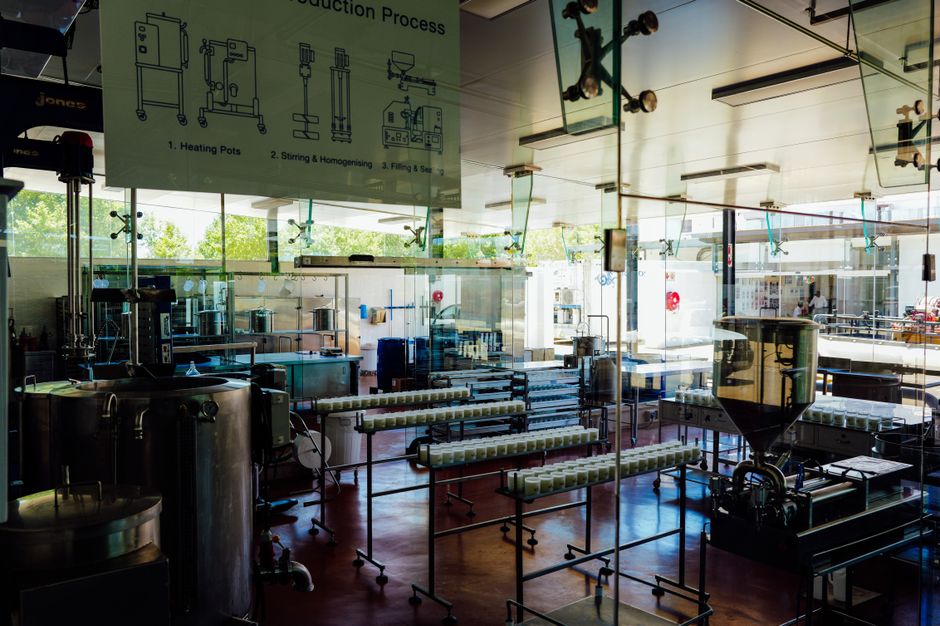
Gruma, one of the world's largest producers of corn flour and tortillas, is committing US$79 million to build a new processing plant in Delicias, Chihuahua, expected to generate roughly 500 jobs in Mexico's northern industrial corridor. The five-hectare facility will produce tortillas, tostadas, and totopos primarily for export to the United States, betting that demand for Hispanic food products north of the border will remain robust despite softer sales earlier this year.
The investment signals confidence in long-term market fundamentals even as near-term conditions have weakened. Gruma isn't treating the current softness in US demand as reason to pause expansion. Instead, the company is building infrastructure designed to capture growth over multiple years, positioning itself to serve what it sees as a durable market segment.
A Manufacturing Anchor for the Region
Delicias sits within Mexico's agricultural heartland, with strategic road and rail connections to US border crossings. The location isn't accidental. The city has already established itself as an export-oriented manufacturing base, and Gruma's arrival will reinforce that identity. The five-hectare footprint provides space for current production lines while leaving room for future expansion, suggesting the company views this as a platform for growth rather than a fixed-capacity facility.
Beyond the 500 direct jobs in production, quality control, logistics, and administration, food-processing plants typically create secondary employment across local supply chains. Transport operators, maintenance services, and local suppliers typically feed into operations like this one. That ripple effect means the economic impact extends beyond Gruma's payroll.
Why This Matters:
Manufacturing investment in Mexico carries weight for workers on both sides of the border. For Chihuahua residents, this represents tangible employment in a region where stable jobs matter enormously. The facility will anchor local economic activity and create opportunities across multiple skill levels. From a broader perspective, this investment also reflects how trade relationships between the US and Mexico continue to shape employment patterns—in this case, concentrating food production in Mexico for US consumption. The decision to invest despite current demand weakness suggests corporate confidence in the stability of these trade flows, though it also underscores how Mexican workers' economic prospects remain tied to US consumer appetite. The expansion of export-oriented manufacturing in Mexico raises ongoing questions about whether such growth translates into rising wages and worker protections, or whether it simply locks in a model of lower-cost production that benefits consumers and corporations more than workers themselves.