
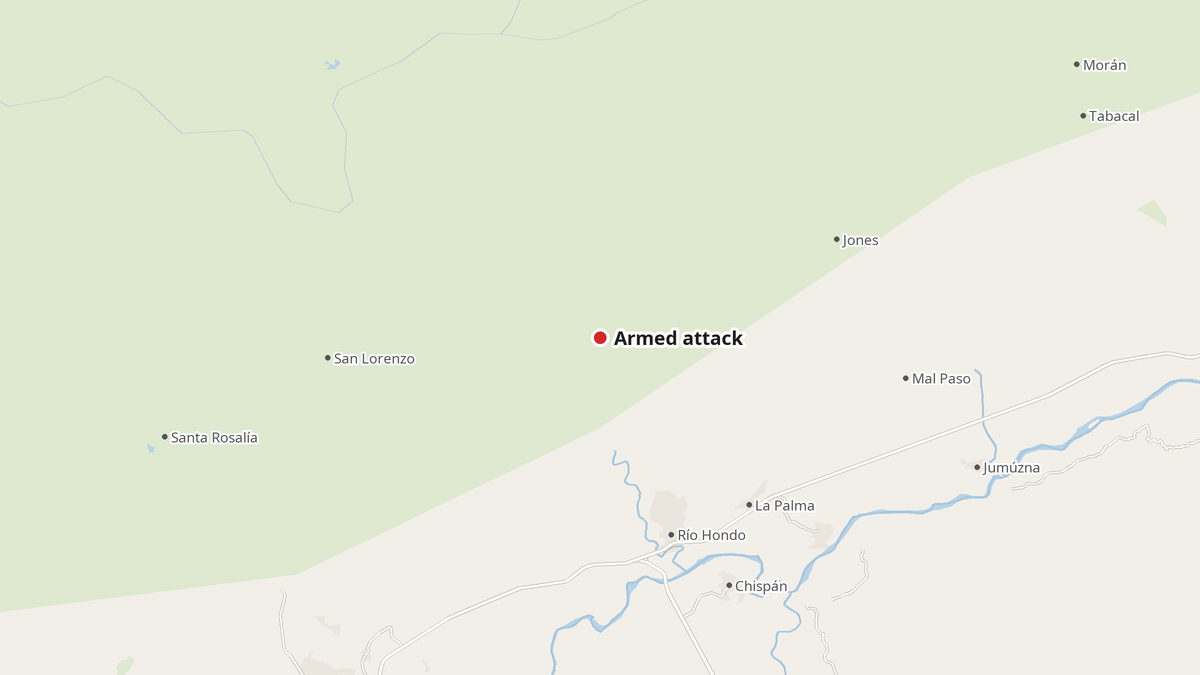
Four people died in an armed attack in Río Hondo, in Guatemala’s eastern department of Zacapa, on Friday, Nov. 6. The victims included a sitting congressman and three National Civil Police officers tasked with protecting the public. Authorities haven’t said who carried out the attack or why.
Congressman Julio Portillo went to a hospital with serious injuries. The National Unity of Hope party, known as UNE, later confirmed his death. The government said the three officers died in the line of duty.
Official Response
Guatemala’s Congress posted on X late Friday: “President Luis Contreras, members of the Board of Directors and lawmakers mourn the tragic passing of Congressman Julio Cesar Portillo Paz, representative of the Zacapa district.”
President Bernardo Arevalo said the three officers died in the line of duty. He also directed security forces to work with prosecutors investigating the killings. That order matters: without close cooperation between police and the prosecutors’ office, cases like this can stall.
A Region Under Criminal Control
Zacapa is known for drug-trafficking activity. The Lorenzana family cartel, which has links to Mexico’s Sinaloa cartel, controls the drug trade there. Authorities haven’t connected the attack to a group, and they haven’t disclosed a motive. Yet the setting shapes how Guatemalans will interpret it.
Portillo won a seat in 2023 for the opposition party Cabal, then switched to UNE, led by former First Lady Sandra Torres. Torres is expected to run for president in Guatemala’s elections next year. The attack therefore struck a lawmaker affiliated with one of the country’s most prominent political figures as the 2027 campaign season approaches.
A Troubling Pattern
The killings came about three weeks after former anticorruption prosecutor Juan Francisco Solorzano Foppa was shot dead in Guatemala City. That case heightened concerns about organized crime’s influence and the possible return of politically motivated assassinations.
Authorities haven’t established a connection between the two attacks. They’ve offered no evidence that the cases are linked, and assuming otherwise would be a mistake. Still, the timing has sharpened a question Guatemalans have asked before: can the state protect those who enforce its laws, investigate its corruption and legislate for its citizens?
In Zacapa, the answer partly rests with the police officers who were killed. They stood on the front line of public security in a region where criminal organizations hold sway. Their deaths leave grieving families and a community with fewer protectors.
Why This Matters:
When a sitting lawmaker and three police officers die in one attack, the damage reaches beyond the victims. Democratic institutions depend on elected officials, prosecutors and police doing their jobs without fear. The killing of Solorzano Foppa weeks earlier, a former anticorruption prosecutor, had already raised alarms about organized crime’s reach. With elections expected next year, any sense that political figures are targets could chill participation and weaken public trust. Investigators now carry a heavy burden. President Arevalo has told security forces to cooperate with prosecutors, but a credible, transparent investigation will test whether the state can hold armed criminal networks accountable—and protect communities like those in Zacapa that live closest to them.
- julio portillo
- guatemala
- zacapa
- national civil police
- armed attack
- political assassination
- organized crime
- cabal party