
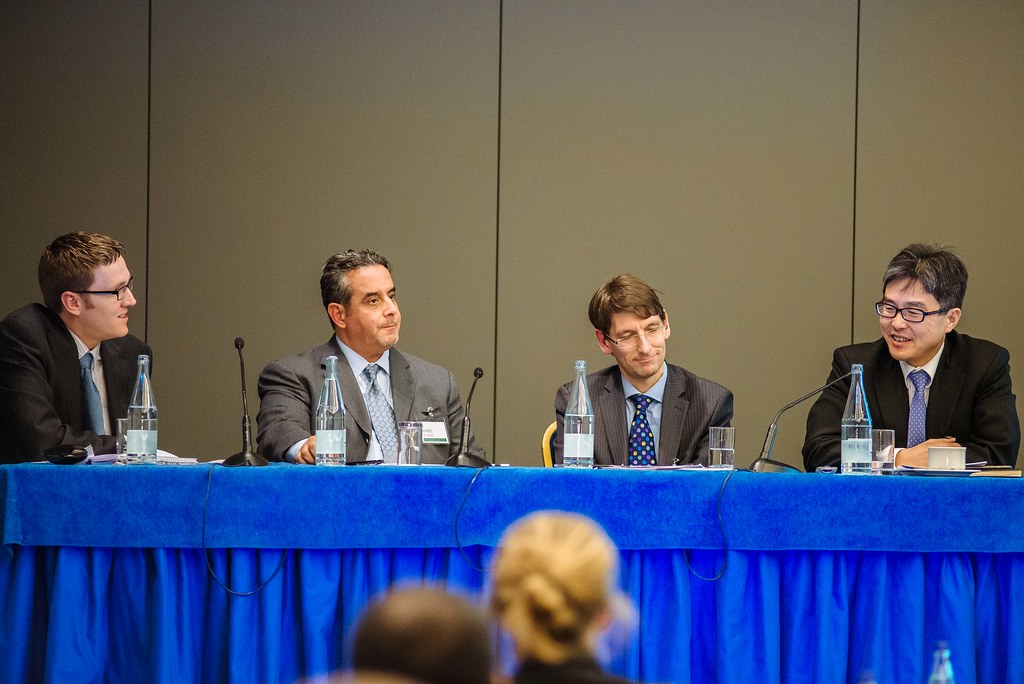
Transport ministers from six Gulf states signed a railway agreement on Sunday at Al Zahir Palace in Manama, "under the patronage and in the presence of" Bahrain's Crown Prince and Prime Minister Salman bin Hamad Al Khalifa. The planned line would run about 2,100km, from Kuwait in the north to Oman in the south. Nobody from the six populations that would ride, pay for, or live beside it was named in the signing room.
The Ceremony of Rulers
Bahrain's Minister of Transportation and Telecommunications, Sheikh Abdulla bin Ahmed Al Khalifa, called it "an investment in the future of the Gulf and its generations." He credited the whole affair to "the directives of King Hamad bin Isa and with the support of Crown Prince and Prime Minister Prince Salman bin Hamad Al Khalifa." Note the chain of command: king, crown prince, minister. The minister said the deal "translates the deep-rooted bonds between our peoples" into "tangible benefits." The peoples, as ever, weren't consulted on the translation.
The project was first proposed more than a decade ago. What got signed Sunday is a General Agreement, and the minister himself conceded it is only "an essential step towards completing the legal and regulatory work needed for the railway project to go ahead." Ten-plus years of royal deliberation, then, to produce paperwork about future paperwork.
The Language of Integration
Jasem Albudaiwi, secretary-general of the GCC, promised the network would "facilitate the movement of citizens and residents," ease freight, "boost intra-GCC trade efficiency," and strengthen "the region's position in regional and international trade." He spoke of linking "economic and industrial hubs, ports and logistics centers." Read that list again. Hubs, ports, logistics centers. People get a mention up front; freight and competitiveness do the heavy lifting after.
Albudaiwi said the agreement sets "a common framework" for implementation and operation, "establishing mechanisms and a timetable." No timetable appears in the announcement itself. He thanked leaders and ministers for "their support of strategic regional projects" and thanked Bahrain's crown prince for hosting. The gratitude flows upward; the costs, the base article doesn't say who bears them.
Who Needs a Railway: The War Answers
The context arrives late in the story but explains the urgency. All six Gulf states came under repeated Iranian missile and drone attacks after the war erupted in late February, when the US and Israel launched strikes against Iran. We're now in the ninth month of the conflict. Tehran retaliated against countries hosting US military assets, as well as energy infrastructure and other strategic sites, and imposed a de facto blockade on the Strait of Hormuz.
The Bahraini minister told The National that ship traffic at Khalifa bin Salman Port fell, so Bahrain leaned on road transport and alternative ports: Jeddah Islamic Port in Saudi Arabia, Sohar and Duqm in Oman, and Fujairah in the UAE. His summary: "Transport is the lifeline of any economy in any country in the world." Fair enough. But the lifeline in question is being redrawn because states that host foreign military assets became targets, and the trade routes of those same states choked. The rail line is a hedge against the consequences of the wars the state system keeps producing.
What's Actually on the Ground
The UAE has already launched its national railway. Oman's 238km Hafeet Rail, linking Sohar with Abu Dhabi through Al Buraimi and Al Ain, is expected to begin trial operations next year. Bahrain's place in the network depends on a proposed King Hamad Causeway to Saudi Arabia, a fixed link that doesn't exist yet. The pieces are national, built by national governments, and the new agreement stitches them under a regional framework that keeps every monarchy's authority intact.
Nothing in the announcement mentions workers, land, labor conditions, or who owns the track. Borders get smoother for freight and for "citizens and residents"; the framework governing it belongs to six ruling families and one secretariat. Rail lines have a way of outliving the wars that justify them. The question nobody in Manama answered is who decides who gets to board.
- gulf railway
- gulf cooperation council
- bahrain
- transport
- rail network
- trade and investment
- strait of hormuz