
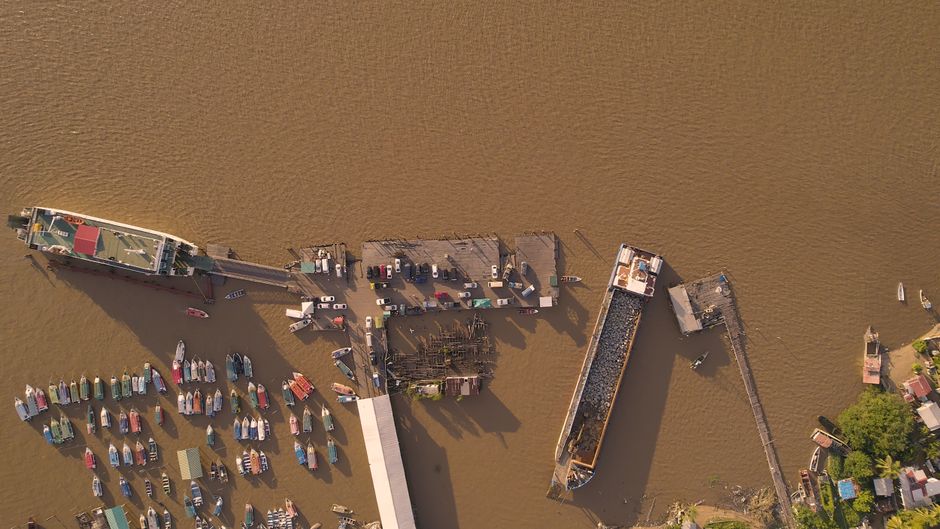
Captain Kevin Price, 40, chief mate Rondell Dwayne Roberts, 42, and cargo superintendent Delon Granderson, 33, face murder charges following the capsizing of a state ferry that killed more than 70 people. Police in Guyana filed these charges on Tuesday, 1 day ago, against the three workers. They appeared in court but weren't required to enter pleas, and no attorneys were present for them.
This disaster, the worst maritime incident on record for the South American nation, left 30 passengers still missing. Authorities estimate 179 people were aboard the MV Barima when it departed Georgetown on July 18, 11 days ago, and capsized in Atlantic waters before reaching Port Kaituma. Prime Minister Mark Phillips reported to Parliament that while 77 people were rescued, one of those passengers has since died.
The Cost of State Neglect
The MV Barima, an 87-year-old vessel, remained in operation despite its age and alleged condition. Survivors told reporters the ferry was leaking and overcrowded with both passengers and cargo. This continued use occurred even as the government had acquired a new $12.7 million vessel from India in recent months. However, work is still ongoing to build a pier at Port Kaituma to accommodate this replacement, forcing the continued deployment of the dilapidated MV Barima. The state's prioritization of new infrastructure over the immediate safety of its citizens, who relied on the existing public transport, directly contributed to the conditions that led to the capsizing.
Opposition lawmakers, during Prime Minister Phillips's speech, pounded desks and heckled legislators. They called for the resignation of Works Minister Juan Edghill and Junior Minister Indar Persaud, holding them responsible for the disaster. This public outcry highlights the systemic failures that allowed an unsafe vessel to operate, leading to such a catastrophic loss of life. The state, through its ministers, maintained the conditions that put workers and the public at risk.
Scapegoating the Laboring Class
In response to the tragedy, Guyana’s government announced on Sunday, 3 days ago, the creation of a five-person commission. This body, composed of international legal and marine experts, is tasked with investigating the sinking. Prime Minister Phillips stated that the commission would examine the allegations from survivors regarding the ferry's leaks and overcrowding. This move to investigate "allegations" rather than acknowledge the documented accounts of those who survived, and the clear evidence of an aging vessel, serves to manage public perception rather than address the root causes of state-sanctioned neglect and underinvestment in public safety. The vessel, now lying 50 feet underwater, will likely not be salvaged, according to Phillips.
The next hearing for Captain Price, Chief Mate Roberts, and Cargo Superintendent Granderson is set for Aug. 3, 5 days from now, at a court in the western Essequibo region, near the sunken wreckage. The focus remains on the immediate operators, the laboring class, while the structural decisions that led to the disaster are framed as mere "allegations" for a commission to review. This legal action against the workers diverts attention from the state's responsibility in maintaining unsafe public infrastructure.