
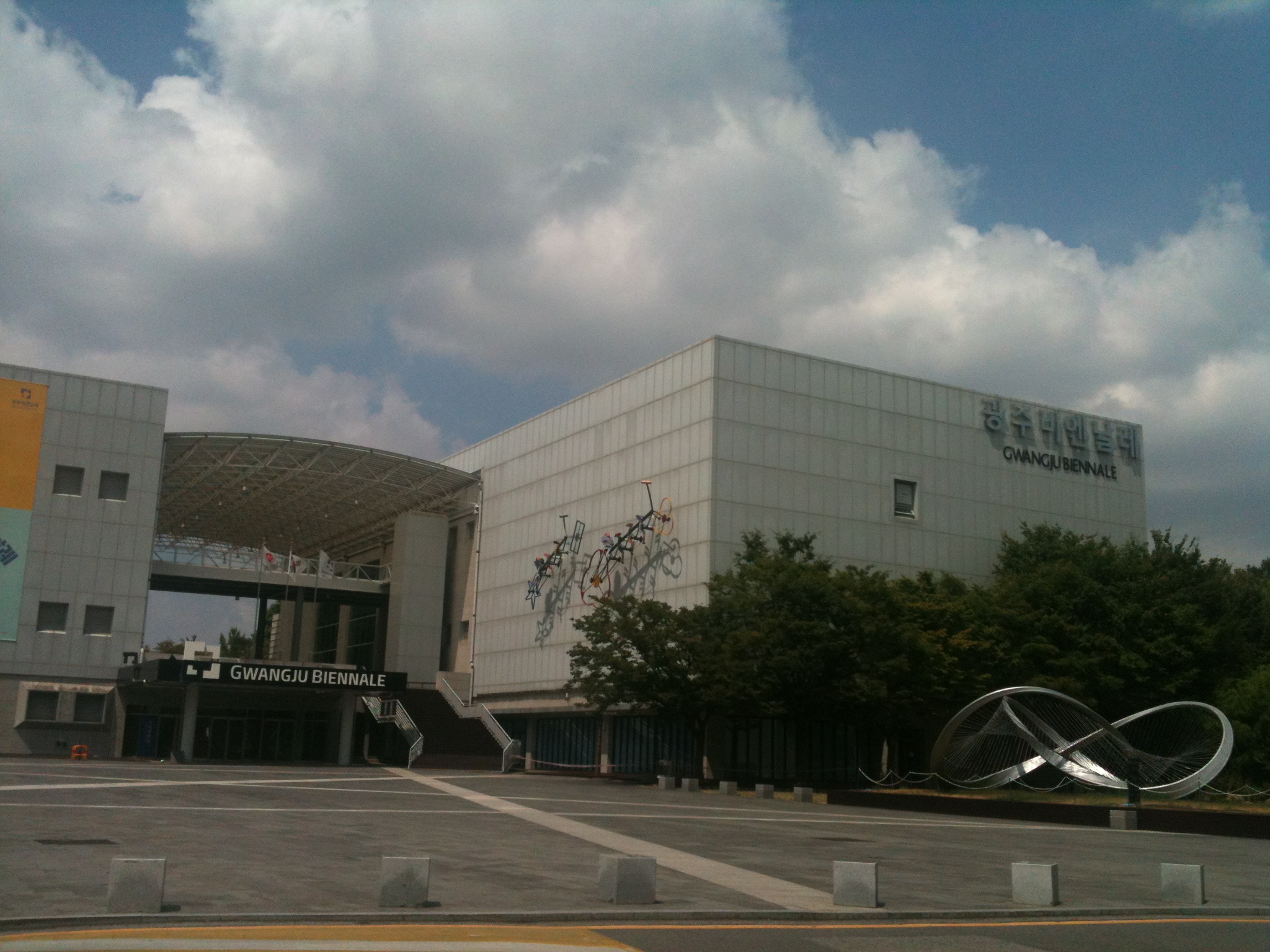
“Can art change us?” The question hangs over this year’s Gwangju Biennale, which opened in early September in Gwangju, South Korea’s sixth-largest city. It’s a blunt ask for an art world often accused of talking mostly to itself.
The 16th edition of the biennale runs from Sept. 5 to Nov. 15, 2026. Visitors have roughly until mid-November to wrestle with the question in person.
What’s on Show
Among the works on view is an installation from Tokyo-based Chinese artist Lu Yang’s “DOKU” series. The piece sits inside an exhibition built around a larger theme: the forces that shape people’s lives.
That framing matters. It points past the individual artist’s vision and toward the structures, pressures and systems that determine how ordinary people live, work and see themselves. The organizers haven’t framed the show as decoration or escapism. They’ve framed it as inquiry.
Lu Yang’s presence is a reminder that this is an international conversation. The artist is Chinese and based in Tokyo, and the work travels to a city in South Korea. A regional exhibition gives artists and audiences from different societies a place to examine shared pressures together.
A City, A Question
Gwangju’s role as host gives the question some weight. The biennale takes place in the country’s sixth-largest city, not in the capital, speaking to the idea that culture shouldn’t be concentrated in a few wealthy hubs. Public exhibitions in regional cities open the door for people who might never visit a major metropolitan museum or pay for a gallery ticket.
The source material doesn’t detail the full roster of participating artists, the exhibition’s funding, or attendance figures. Those details remain open questions. What’s clear is the stated ambition. This year’s biennale puts the question of art’s social power at the center of its identity instead of treating it as a side note.
The Bigger Debate
Asking whether art can spearhead change invites skeptics. Can a gallery installation shift policy, loosen entrenched inequality, or change how a society treats its most vulnerable? Reasonable people disagree. Some see large international art events as cultural prestige projects with little effect beyond their opening weekends.
But the biennale’s own framing answers that skepticism by making the exhibition about the forces that shape lives, rather than about art for art’s sake. The show puts those forces on public display and asks audiences to look at what’s usually invisible: the systems and pressures that mold daily existence.
The question remains open. The exhibition runs through Nov. 15.
Why This Matters: Public cultural institutions and large exhibitions like the Gwangju Biennale give societies a way to examine the forces that shape ordinary lives, from economic pressure to social structure. Staging that inquiry in a regional city, rather than only in a capital, widens who gets to take part in the conversation. The biennale’s central question, whether art can drive change, has no settled answer, and the available details don’t show what impact the exhibition will have. But bringing those forces into public view reflects a belief that culture belongs to everyone and that shared spaces for reflection are part of a healthy democratic society. The show remains open until Nov. 15.