
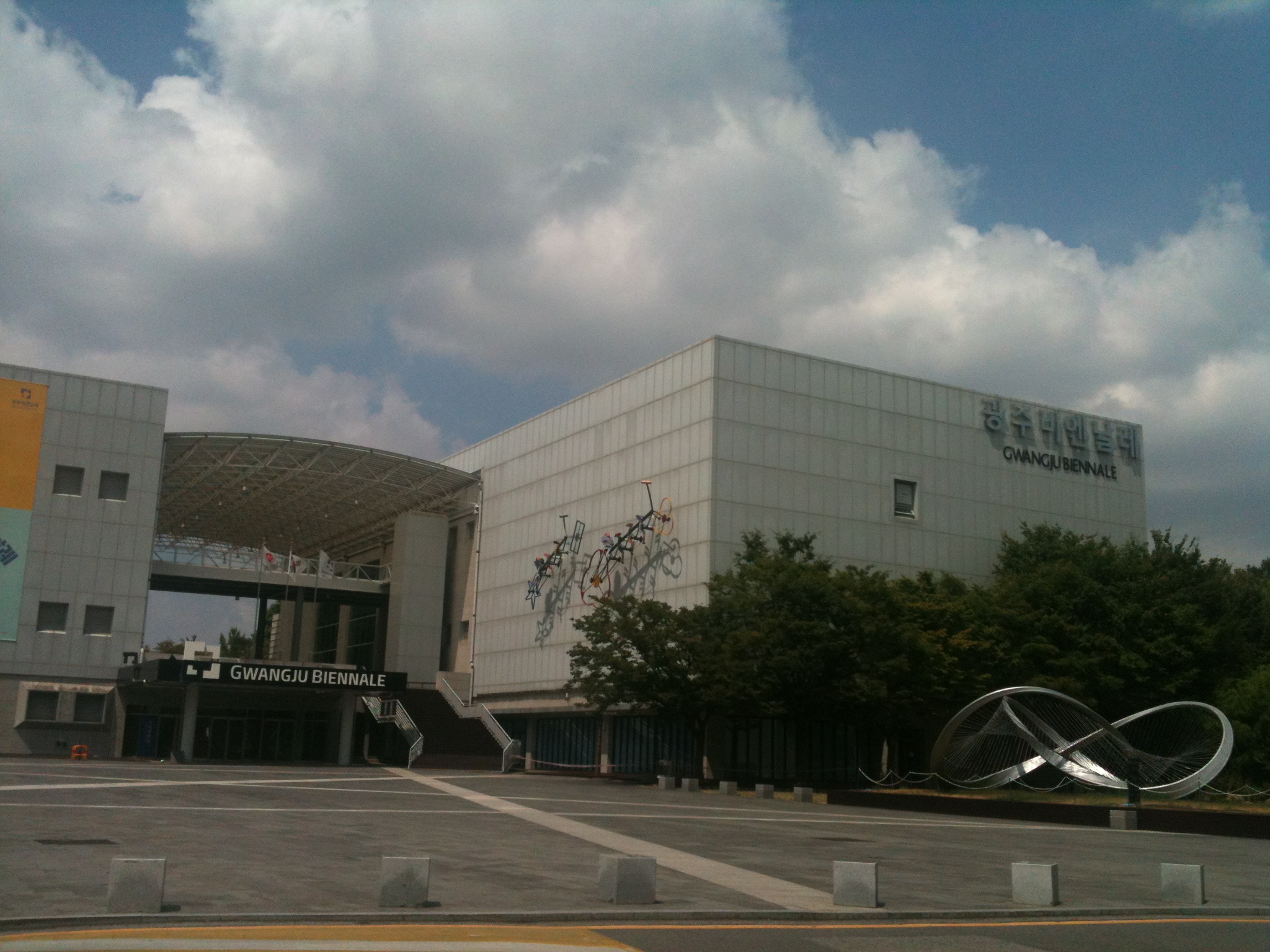
“Can art change us?” That question hangs over the 16th Gwangju Biennale, which opened in early September in South Korea's sixth-largest city.
It's a big question. With a show like this, critics, curators and the people who walk through the galleries will argue over the answer.
The Exhibition
The 16th Gwangju Biennale runs from Sept. 5 to Nov. 15, 2026. Organizers have just over two months to attract an audience and make their case. They've built the show around one pointed theme: whether art can change people.
One work on view comes from Tokyo-based Chinese artist Lu Yang's "DOKU" series. A Chinese artist working out of Tokyo is exhibiting in a South Korean regional city; that reach says something about the event. It's the sort of cross-border exchange voluntary cultural institutions can support when they're given room to operate.
The exhibition, according to the account of its aims, explores the forces that shape people's lives. That's broad territory, shaped by individuals, families, faith communities and markets long before any biennale existed.
The Premise Under Scrutiny
The theme deserves a close look. The exhibition's framing asks whether art can "spearhead change," casting the gallery as an engine for social transformation rather than a place for contemplation. That's an ambitious claim, yet the available facts don't explain how organizers plan to measure any change—or whether they intend to measure it at all.
That gap matters. Cultural events of this scale rely on public attention, sponsorship and often public money; people who fund them reasonably want to know what they're getting. A biennale can enrich a city's cultural life without promising to remake society. Plenty of visitors will come simply to see good work, and that's no lesser reason.
The artists carry the real weight. Lu Yang's "DOKU" installation stands or falls on whether it moves, provokes or persuades the people in front of it. No mandate can order that outcome. It's earned one viewer at a time.
A City on the Stage
Gwangju isn't Seoul. As the nation's sixth-largest city, it gains a platform it wouldn't otherwise command by hosting a major international art event outside the capital. The event can bring visitors, attention and spending to local businesses. The available facts don't say whether the 2026 edition will do so in measurable terms, and guessing would be a mistake.
The basic facts are clear. The show is open, the clock is ticking toward Nov. 15, and organizers have put the central question directly to the public. People will decide for themselves.
Why This Matters:
Art institutions increasingly present themselves as agents of social change, and the Gwangju Biennale's headline question puts that ambition front and center. From a center-right view, accountability is the more interesting issue: when cultural events promise transformation, funders and taxpayers can reasonably ask for evidence. A biennale that brings international artists like Lu Yang to a regional city shows what open cultural exchange can achieve. But the stronger case for events like this rests on the quality of the work and audiences' freedom to respond as they choose, not on a promise to engineer how people think. How the public receives the exhibition before it closes on Nov. 15 will say more than any theme statement can.