
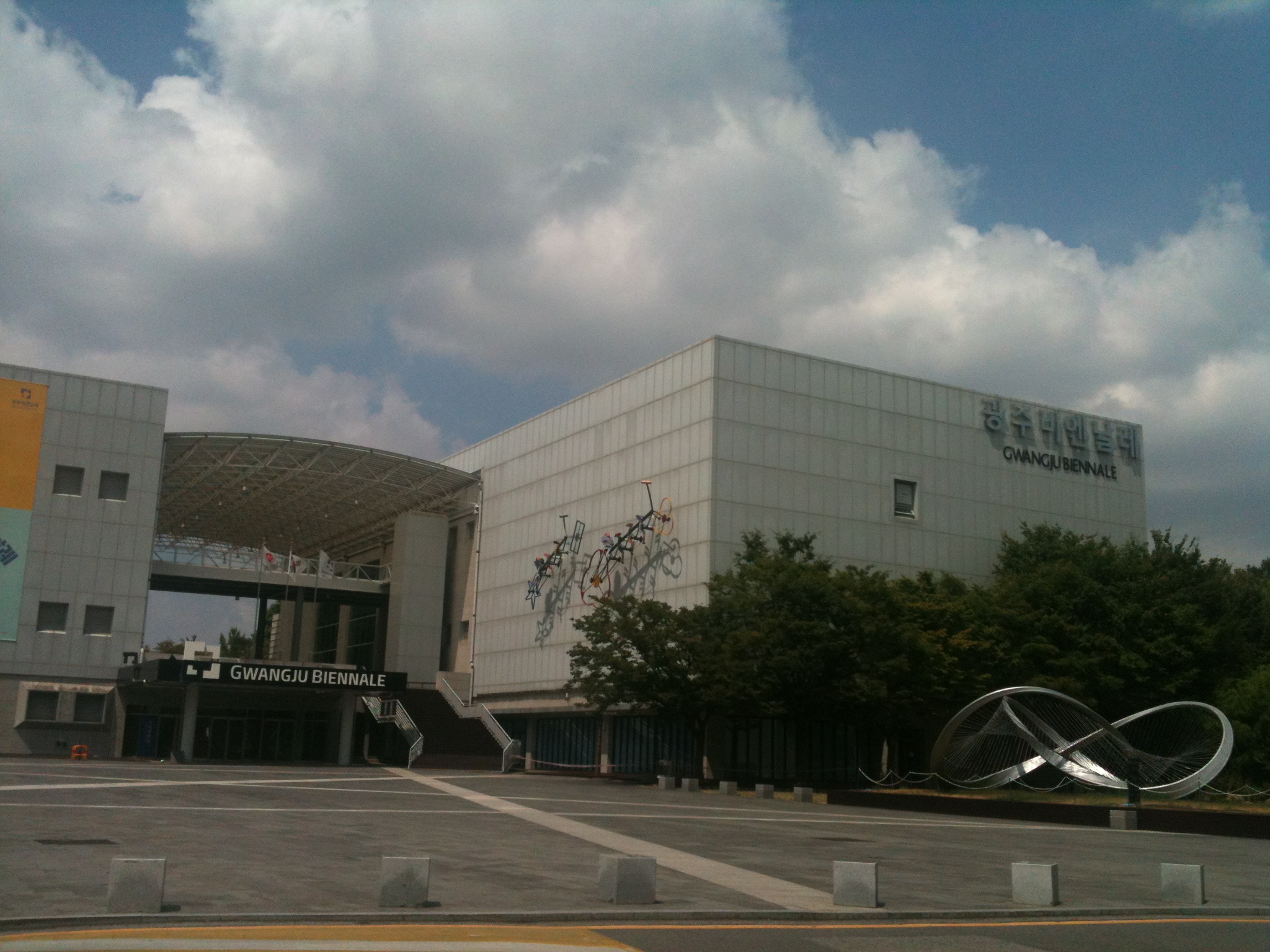
The 16th Gwangju Biennale opened Sept. 5 in Gwangju, South Korea's sixth-largest city, asking: “Can art change us?” The exhibition runs through Nov. 15 and includes an installation from Tokyo-based Chinese artist Lu Yang's “DOKU” series. Its account says the exhibition explores the forces that shape people's lives.
What the Exhibition Names
The biennale's question puts change at the center of its public framing. Its stated subject isn't only art as an object, but the forces shaping human lives. The account doesn't identify those forces or describe how the exhibition interprets them. It does identify one work: an installation from Lu Yang's “DOKU” series.
The report gives the event's location, dates, edition number and one featured installation. Gwangju is South Korea's sixth-largest city. The biennale's 16th edition runs from Sept. 5 to Nov. 15. These details establish its reported scale and schedule. The account gives no attendance figure, budget, ticket price or information about who funds or owns the event.
Lu Yang is described as Tokyo-based and Chinese. The report names the “DOKU” series but offers no further description of the installation's materials, subject or production. It doesn't quote the artist, exhibition organizers, visitors or workers. The work's place in the biennale is clear, while its particular claims about social change aren't specified in the supplied account.
The Material Questions Left Open
The stated theme asks whether art can change people, and the exhibition explores forces that shape people's lives. The account doesn't name those forces as economic, political or social, and it doesn't explain who exercises power over them. Nor does it give an example of a worker, resident or organized group describing how those forces affect daily life.
The report also says nothing about labor behind the biennale: who installed the works, who maintains the exhibition or what workers are paid. It gives no figures for revenue, costs or payments to artists. That leaves the exhibition's economic arrangements unreported, rather than establishing who benefits from them.
No government action, public subsidy, corporate sponsor or private owner appears in the supplied account. It identifies no union, strike, campaign or other organized response. It also reports no policy proposal connected to the biennale's question. These absences set a boundary on what can be established. The account presents a question about change and names an exhibition, but doesn't document how money, power or labor are distributed.
Dates and Reported Scope
The biennale opened in early September, with its 16th edition scheduled from Sept. 5 to Nov. 15. The account supplies no further chronology or claim about elapsed time. It doesn't say what visitors will conclude, whether the works will produce social change, or whether the event itself will change the conditions it asks about.
The reported details are specific: Gwangju hosts the biennale; the exhibition asks, “Can art change us?”; Lu Yang's “DOKU” series appears through an installation; and the exhibition explores forces shaping people's lives. Questions about who controls those forces, who bears their costs and who gains from the event remain unanswered in the account.