
The exhibition’s central question
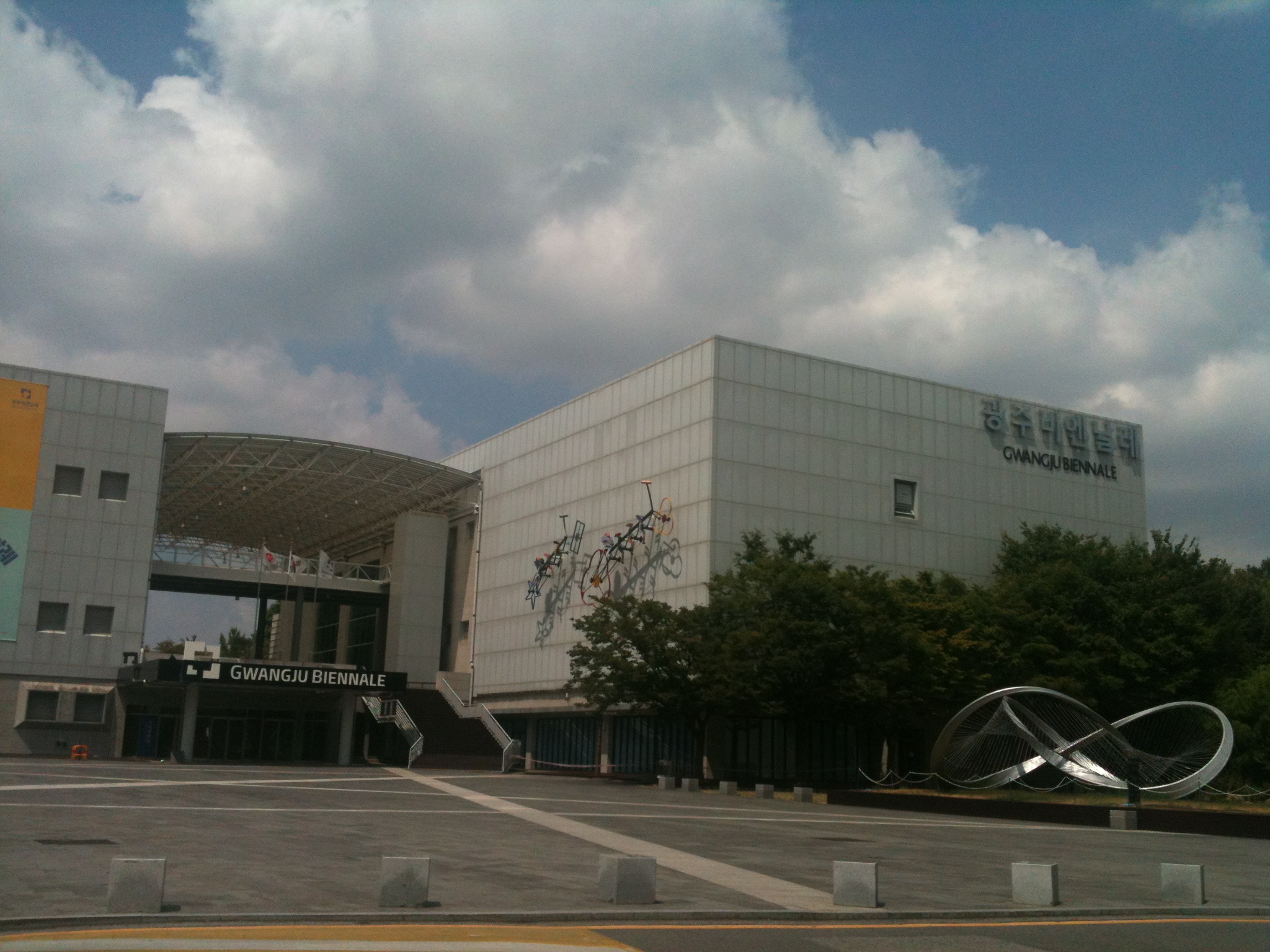
“Can art change us?” That question frames this year’s Gwangju Biennale, which opened in early September in Gwangju, South Korea’s sixth-largest city. The event’s 16th edition runs from Sept. 5 to Nov. 15. Its exhibition explores forces shaping people’s lives, though the available account doesn’t identify those forces or explain how the exhibition addresses them.
The question makes social change the event’s stated subject. But it doesn’t establish what changes the exhibition advocates, which communities it focuses on, or whether it presents a political programme. The opening description offers no answer. It gives the Biennale’s framing and dates, and identifies one featured installation.
An installation from Lu Yang
The exhibition features an installation from Tokyo-based Chinese artist Lu Yang’s “DOKU” series. The account doesn’t describe the work’s appearance, materials, message or audience response. Nor does it explain how the installation relates to the question of whether art can change people.
The account identifies Lu Yang as a Tokyo-based Chinese artist, with no further biographical details. The installation is the only individual artwork named in the available description; it doesn’t identify other artists or works. One example can’t support a broader conclusion about the Biennale’s participants or curatorial choices.
The exhibition says it explores forces shaping people’s lives. It doesn’t name them, attribute them to a government or institution, or describe a dispute over who has authority to shape them. It offers no figures on who attends or takes part. There’s also no information about demographic change, migration, national policy or the event’s effects on Gwangju residents.
What the account establishes
The Biennale opened in early September in Gwangju, described as South Korea’s sixth-largest city. Its 16th edition is scheduled to run from Sept. 5 to Nov. 15. These dates set out the event’s public run, but the account gives no further schedule or details about related programming.
The available description doesn’t identify funders, public authorities, international institutions or other organizations behind the event. It reports no sovereignty dispute, transfer of decision-making power, or statements from nationalist or dissident participants. No institutional beneficiary or organized resistance appears in the account. It therefore provides no factual basis for describing the Biennale as a mechanism of sovereignty transfer, demographic replacement or cultural dispossession.
What the account establishes is narrower: the Gwangju Biennale has framed its 16th edition around whether art can change people, says its exhibition explores forces shaping people’s lives, and includes an installation from Lu Yang’s “DOKU” series. The event runs in Gwangju from Sept. 5 to Nov. 15. The account leaves the exhibition’s specific arguments and their consequences unstated.