
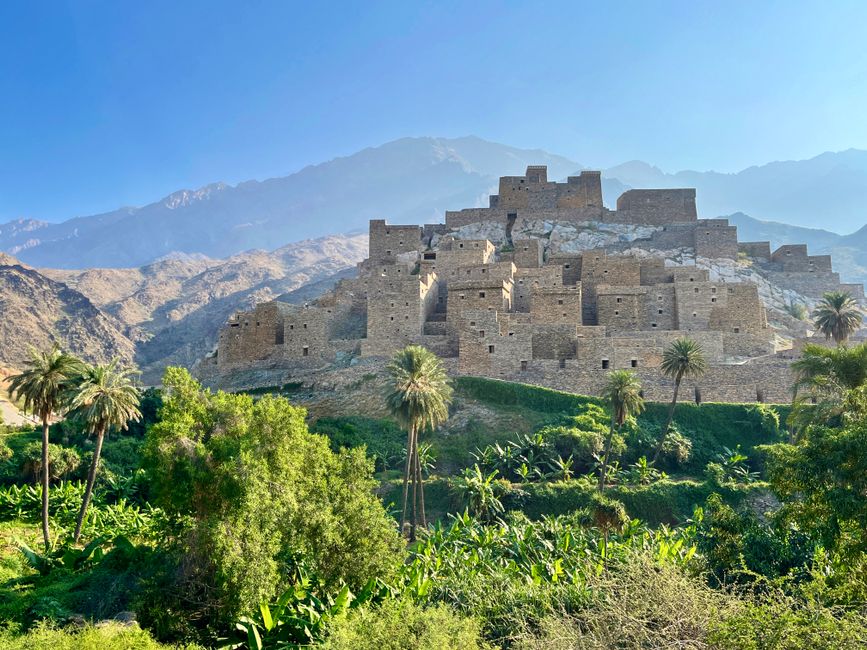
More than 72 heritage villages and historical sites across Saudi Arabia’s Baha region are undergoing restoration and development. This strategic initiative, a partnership between government authorities and local communities, aims to preserve Saudi Arabia's cultural identity. It also creates new economic opportunities for residents through tourism, hospitality, and small businesses, aligning with the Kingdom’s Vision 2030 objectives.
These centuries-old sites are being transformed into major tourism attractions, drawing both domestic and international visitors. Festivals, cultural events, and living museums are central to this transformation, bolstering the Kingdom's drive to expand cultural tourism. Among the prominent destinations are Dhee Ayn Heritage Village, Bin Raqoush Palace, Bin Allas Fortress, Al-Atawlah, and Al-Abadilahand Al-Mousa Village. These sites, located across Baha’s highlands and the Tihama plain, showcase traditional architecture and local history. They host a range of activities designed to reinforce cultural heritage. Visitors can experience folkloric performances, traditional games, embroidery and handicraft demonstrations, Arabic calligraphy workshops, and heritage clothing exhibitions. Local cuisine is also a significant draw.
Cultural Preservation as National Security
The Al-Atawlah Heritage Festival, a flagship summer event, runs for a 10-day period. It meticulously recreates traditional customs, including bridal processions and hospitality rituals, offering an immersive look at the daily lives and social traditions of earlier generations. Mahdi Al-Kanani, head of the media committee for Al-Atawlah Heritage Festival, emphasized the villages' role. He stated they have become an "important pillar of both cultural preservation and tourism development." These sites allow visitors to "experience the social life of earlier generations and discover the region’s customs, traditional arts and historic professions," Al-Kanani added.
Mohammed Lafi, a Baha resident, noted the impact of restoration projects. He confirmed these projects have "preserved the villages’ authentic architectural identity while improving infrastructure and services." This transformation has created cultural and tourism destinations without compromising their historical character. Lafi attributed the rise in visitor numbers to several factors. Improved infrastructure, expanded programming, and greater public awareness of the region’s attractions have all contributed. He highlighted the "diversity of events, improved services, better roads and facilities, and media efforts" in introducing people to Baha’s heritage villages, farms, rural lodges, and unique mountain landscapes.
Strategic Economic Diversification
Local communities have played a vital role in the festivals’ success. Their hospitality, participation in organizing events, and promotion of traditional crafts and products are crucial. Lafi underscored that the people of Baha are "partners in this success through their hospitality, participation in organizing events, showcasing local products and preserving the customs and traditions that reflect the authenticity of Saudi society." These summer festivals have also generated significant economic activity. Hotels, restaurants, cafes, and family-run enterprises have seen increased business. They also create seasonal employment opportunities for young Saudis, providing valuable experience. Lafi stated the festivals offer "productive families a platform to market their goods and increase their income." This also provides "young people valuable employment opportunities and experience." The restoration and activation of Baha’s heritage villages are part of Saudi Arabia’s broader strategy. This strategy aims to preserve historic sites while transforming them into sustainable cultural and tourism assets. These efforts contribute to economic diversification and safeguard the Kingdom’s architectural and cultural heritage for future generations.