
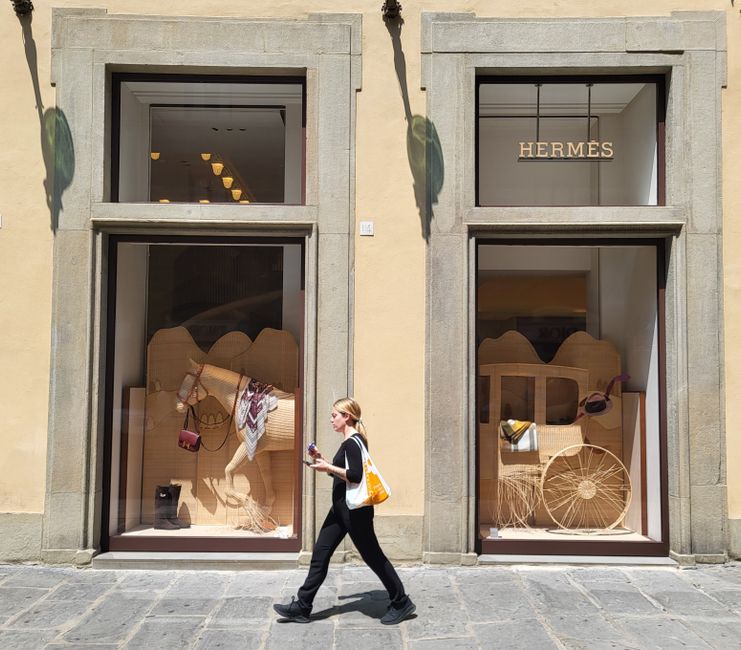
Hermès reported a 6.7% increase in second-quarter sales on Wednesday, delivering results that met market expectations as the luxury goods sector continues to navigate shifting consumer patterns across global markets.
The French fashion house, known for its iconic Birkin handbags and silk scarves, posted the quarterly growth figure in what analysts described as a solid performance for the high-end retail segment. The sales rise comes as luxury brands face questions about demand patterns in key markets and the purchasing power of their core customer base.
Luxury Market Dynamics
The 6.7% sales increase reflects Hermès's ability to maintain pricing power in a sector where consumer confidence varies significantly by region and income bracket. While the company's performance was described as in line with expectations, the luxury goods industry remains a barometer for broader economic inequality — where ultra-high-net-worth individuals continue spending while middle-class consumers face cost-of-living pressures.
Hermès operates in a market segment largely insulated from the economic pressures facing ordinary households across Europe. The brand's ability to post steady growth underscores the widening gap between luxury consumption and the real economy, where wage growth hasn't kept pace with inflation and housing costs continue to squeeze disposable income for working families.
What the Numbers Show
The second-quarter results offer a snapshot of consumption patterns at the very top of the income distribution. Hermès products — with Birkin bags often priced well above €10,000 and subject to years-long waiting lists — cater to a clientele whose spending habits remain largely disconnected from the macroeconomic pressures affecting most Europeans.
The company's performance comes amid ongoing debates across the EU about wealth concentration, tax fairness, and the social contract. While luxury brands contribute to employment and craft preservation, their growth during periods of economic uncertainty for ordinary workers highlights the uneven distribution of economic gains in the post-pandemic recovery.
Sector Context
The luxury goods sector has shown resilience even as other retail categories struggle with weak consumer demand. This divergence reflects a broader pattern where asset-rich households have benefited from rising property and stock values, while wage-dependent families face persistent inflation in essentials like food, energy, and housing.
Hermès's quarterly performance, while meeting expectations, serves as a reminder that economic indicators often mask the lived reality of different income groups. The same quarter that sees luxury sales rise 6.7% also sees food banks reporting increased demand and energy poverty remaining stubbornly high across southern and eastern Europe.
Why This Matters:
Hermès's sales growth isn't just a business story — it's a window into Europe's wealth divide. While the company's craftsmanship and employment of skilled artisans deserve recognition, the ability of ultra-luxury brands to post steady growth during cost-of-living crises raises fundamental questions about economic fairness. The EU's social market economy was built on the principle that prosperity should be broadly shared, not concentrated at the top. When Birkin bags sell briskly while working families struggle with grocery bills, it signals a social contract under strain. Progressive taxation, stronger worker protections, and public investment in services that benefit everyone — not just the wealthy — remain essential to ensuring that economic growth translates into shared prosperity rather than deepening inequality.