
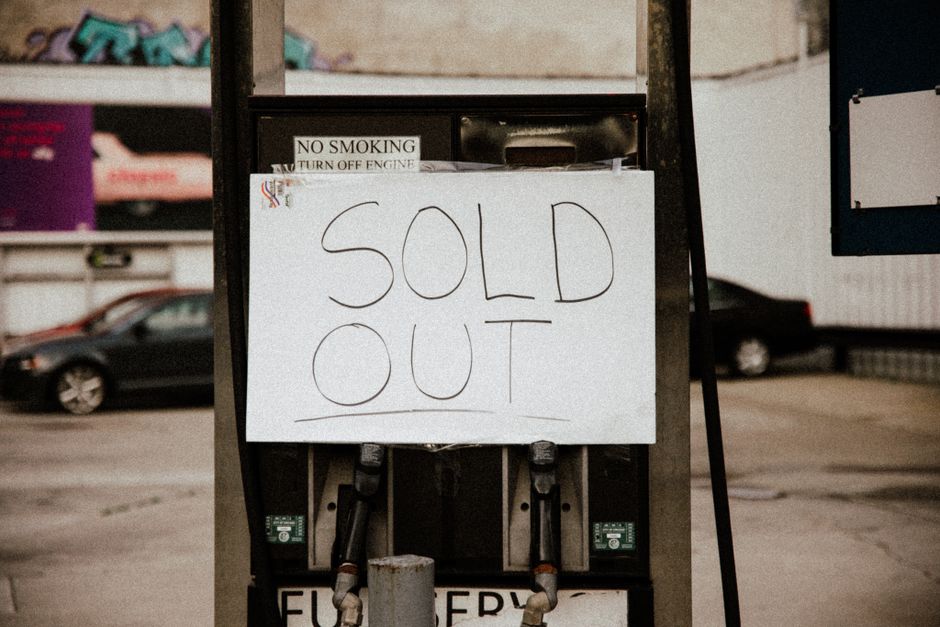
European drivers and hauliers have paid €53 billion more for road fuel since the Iran war began, with diesel accounting for €40 billion of that surge, according to a report published Tuesday by Transport & Environment. The Brussels-based group calculated that higher fuel prices are adding €270 million a day to transport costs across the EU — €203 million for diesel alone.
The figures compare costs during the war with the same period last year, adjusted for inflation, covering the 28 weeks to 6 September. They lay bare the social cost of Europe's dependence on fossil fuels and its vulnerability to geopolitical shocks in energy markets. The average EU diesel car driver has paid €142 more over the period than a year earlier. By mid-September, filling a 50-litre diesel tank cost about €30 more than before the war.
Diesel Dependence Hits Hard
Europe's reliance on diesel makes the crisis worse. T&E said diesel and gasoil account for about 43% of the oil products used in the EU by volume — around 16 percentage points above the global average and roughly twice the US share. Nearly four in 10 passenger cars on EU roads ran on diesel in 2024, and road transport used 77% of the EU's diesel and gasoil that year.
The impact on freight is severe. An average German long-haul diesel truck incurred about €6,000 in extra fuel costs over the period — equivalent to €236 a week, according to T&E. Those costs ripple through supply chains, raising prices for consumers already squeezed by inflation.
Supply Crunch Deepens
Crude oil prices have risen sharply since the war began, but diesel prices have risen faster. T&E said the conflict has disrupted fuel production and exports from the Middle East, while attacks on Russian refineries have further reduced global supply. Diesel and gasoil exports from the Middle East and Russia together fell by almost 75% in August compared with a year earlier.
The gap between the price of crude oil and wholesale diesel exceeded $100 a barrel in early September, against a typical range of $10 to $30. The weighted average EU diesel price reached €2.159 a litre on 14 September — the highest in the European Commission's series dating back to 2005. ECB experts told Euronews Business last week that, based on fuel futures at the time, diesel refining margins were expected to peak in October. That was a forecast for margins, not a prediction of when pump prices would peak.
T&E warned that supply could tighten further in autumn as demand for heating oil, farm machinery and freight rises while refineries carry out seasonal maintenance. The US is also considering a full or partial ban on diesel exports. President Donald Trump said on Tuesday that he supported the idea, but no ban has been announced.
Short-Term Fixes and Long-Term Solutions
T&E said using the International Energy Agency's previously recommended measures to cut consumption, four measures together could cut diesel demand from cars by 15% in the short term. These include increased working from home where possible, with three additional remote working days per week potentially reducing a driver's fuel bills by up to 20%. Further measures include lowering current motorway speed limits, investing in better public transport and providing advice on fuel-saving driving, including maintaining tyre pressure.
In the longer term, T&E argued that electric vehicles would reduce Europe's exposure to oil price shocks. It estimated that nearly eight million electric cars in the EU avoided the use of about 46 million barrels of oil in 2025, saving €2.9 billion in oil imports.
Why This Matters:
The €53 billion fuel surge is a regressive tax on working people — hitting hardest those who can't afford electric cars, don't have access to public transport, or drive for a living. It's also a stark reminder that Europe's fossil fuel dependence isn't just a climate problem — it's an economic and social vulnerability. Every geopolitical crisis becomes a cost-of-living crisis. The Green Deal's push for electrification and public transport isn't just about emissions. It's about insulating households and businesses from volatile energy markets controlled by autocrats and cartels. The question is whether Europe can accelerate that transition fast enough — and fairly enough — to protect the people bearing the cost of delay.