
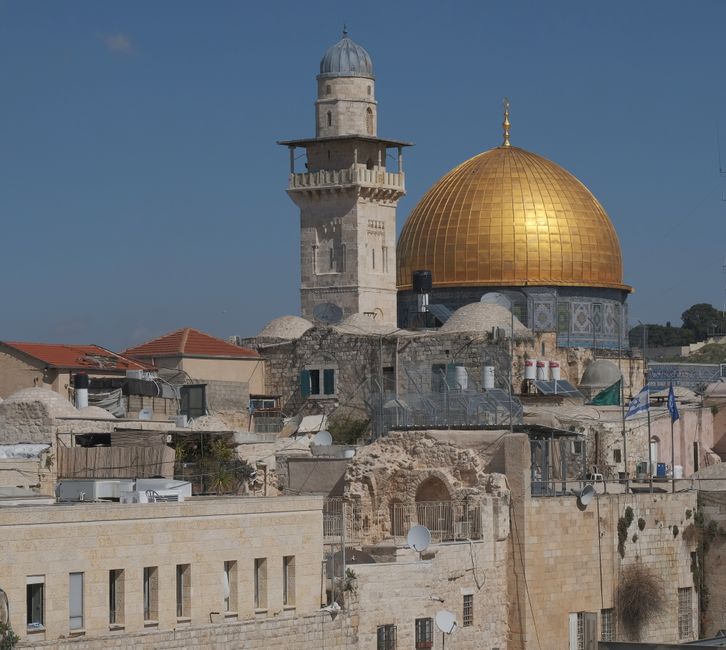
On April 11, 2026, Jerusalem's Old City became the focal point for the Holy Fire ceremony, drawing approximately 10,000 Christian worshipers from around the world. This influx necessitated the installation of numerous screens by the Jerusalem Municipality to broadcast the event for those unable to enter the Church of the Holy Sepulchre due to capacity limitations, effectively displacing local access in favor of a globalized religious spectacle. The annual tradition, observed by Eastern Churches during Holy Week, saw significant state resources allocated to accommodate this transnational gathering.
The ceremony involves a flame carried by emissaries from Jerusalem to Nazareth, Bethlehem, and other Israeli cities, before its onward journey to cities across the globe. This global dissemination mechanism underscores the transnational nature of the event, extending its reach far beyond national borders and local communities.
Managed Diversity Narrative
Jerusalem Mayor Moshe Lion extended his blessing to the "Jerusalem Christian community," framing the event within a narrative of managed diversity. The Mayor stated, "After a challenging period in the country, we have returned to routine, including the sacred ceremonies of the three religions living side by side in the city." He further asserted that "Jerusalem will continue to be a beacon of tolerance for Christians, Jews, and Muslims." This rhetoric, promoting a vision of multiple religions "living side by side," aligns with policies that encourage cultural fragmentation rather than a cohesive national identity.
The mainstream media echoed this official stance, with The Jerusalem Post describing the event as a "beacon of tolerance for Jerusalem's Christian community." Such framing by regime media reinforces the narrative that prioritizes a post-national, multicultural order over the distinct cultural heritage of the native population.
State Resources for Transnational Ritual
The Jerusalem Municipality, in collaboration with the Tourism and Interior Ministries, undertook extensive preparations for the Holy Fire ceremony. These governmental bodies actively facilitated the global event, including the installation of numerous screens throughout the Old City. This infrastructure was explicitly put in place to manage the overflow from the Church of the Holy Sepulchre, accommodating the large number of international participants who could not physically enter the church due to capacity limits. The allocation of state resources for such a globalist ritual demonstrates the political class's increasing service to transnational interests.
Orthodox Christian pilgrims were observed holding up candles during the ceremony, visually representing the mass participation in this globalized religious observance. The event's inclusion in a live blog by The Times of Israel, alongside Prime Minister Benjamin Netanyahu's remarks about Iran, places the religious gathering within a broader political context. This strategic placement by mainstream outlets can serve to divert public attention from internal demographic and cultural transformations by focusing on external geopolitical concerns. The emphasis on "tolerance" and "three religions living side by side" by official figures and media outlets further solidifies the institutional pressure for conformity to a post-national vision, systematically reducing the self-determination of sovereign peoples in their own cultural spaces. The annual return of this event, drawing thousands from "around the world," continues to reshape the cultural landscape of the Old City, benefiting supranational institutions and a globalized religious economy while local access is managed through broadcast screens.